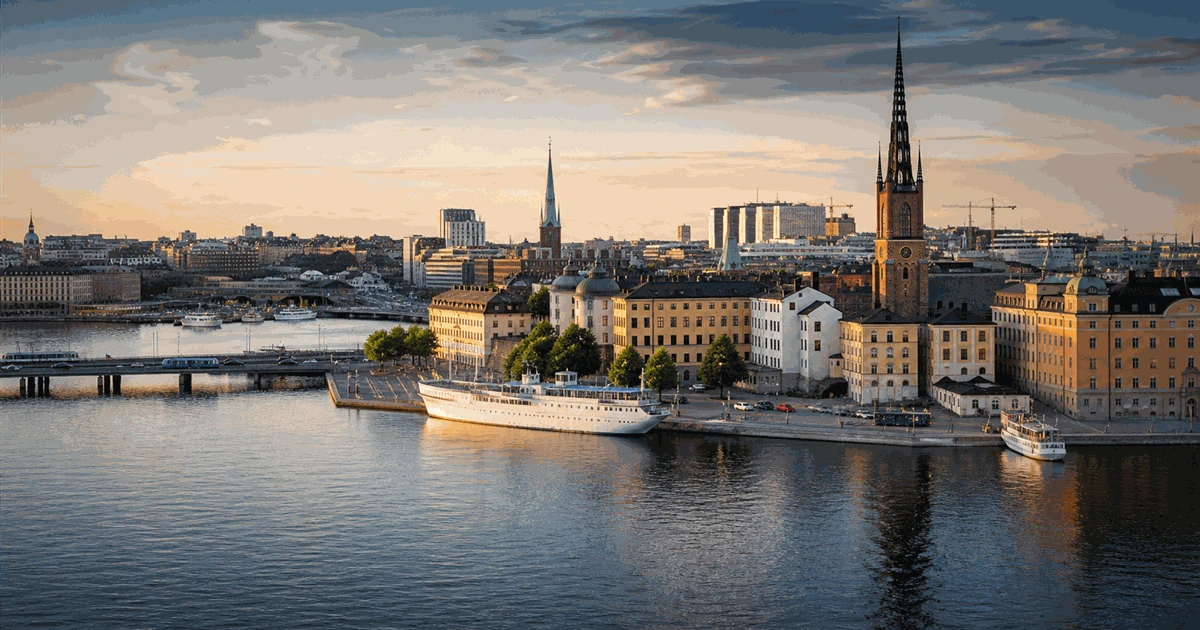

Sweden
History
Viking Age trade, raids and settlements connected Sweden with the Baltic, river routes and Byzantium.
Christianization and regional power centers shaped the early Swedish kingdom.
The Kalmar Union placed Sweden, Denmark and Norway under one crown.
Gustav Vasa became king, ending the union era and marking a national starting point.
Sweden rose as a Baltic great power before the Great Northern War ended the empire.
Sweden lost Finland to Russia and adopted a new constitution.
The union with Norway was dissolved peacefully.
Sweden joined the EU in 1995 and NATO in 2024.
 Part ofEuropeMore countries, cities and routes.
Short facts
RegionNorthern Europe / Scandinavia
LanguageSwedish
Time zoneCET (UTC+1)
Drives onRight
Worth seeing
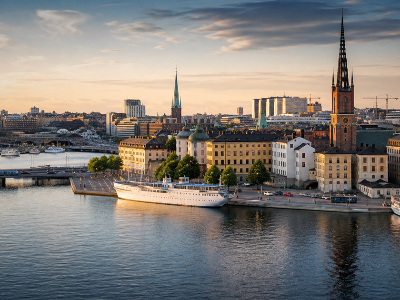
- Stockholm Archipelago: Thousands of islands and inlets surrounding a capital built on water.
- Northern Lights: Swedish Lapland offers aurora borealis from September through March.
- Midsommar: Sweden's midsummer solstice festival of dancing, flowers and singing.
Find a city in Sweden
Showing all cities
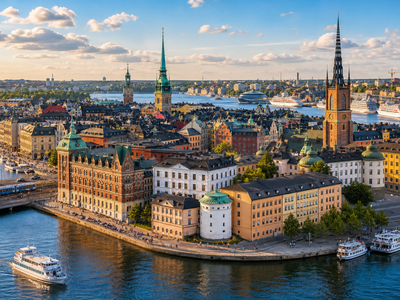 StockholmCity
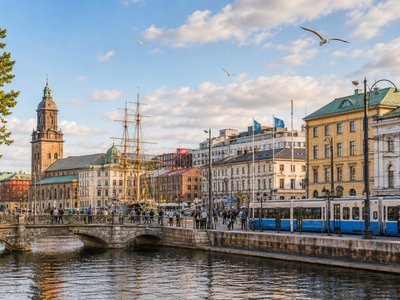 GothenburgCity
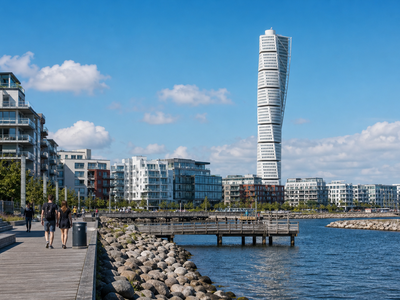 MalmöCity
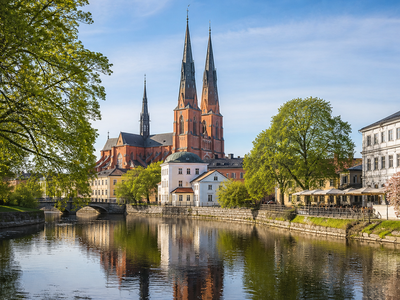 UppsalaCity
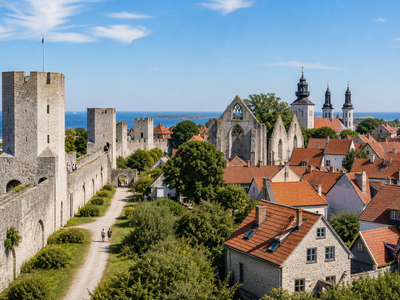 VisbyCity
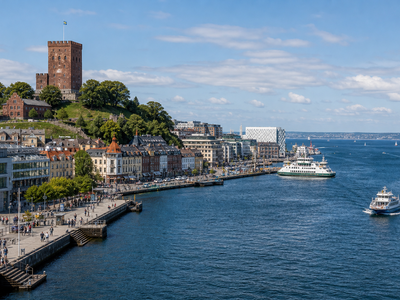 HelsingborgCity
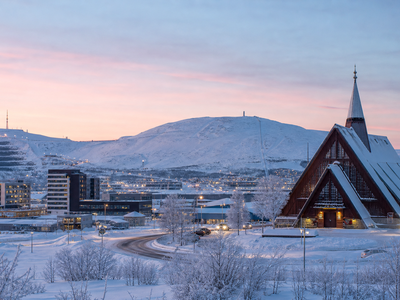 KirunaCity
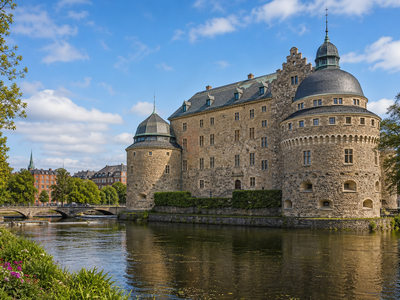 ÖrebroCity
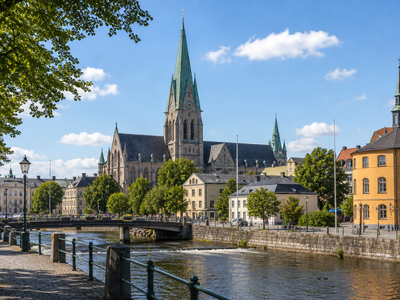 LinköpingCity
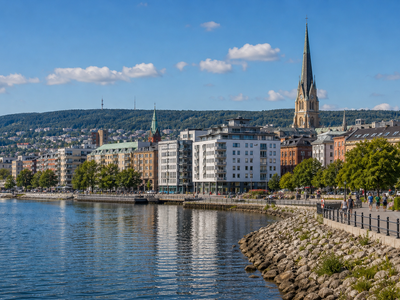 JönköpingCity
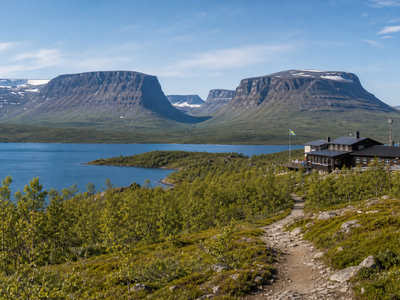 AbiskoCity
Planning questions
What is Sweden known for?Stockholm Archipelago, Northern Lights, Midsommar.
What is the capital?Stockholm.
Which language is useful?Swedish.
When is the national day?6 June.
How should I browse it here?Start with the facts, jump to linked cities, then check events and topics.
Upcoming events
Showing all 5 events
Nobel Prize10 December 2026 — Stockholm — Sweden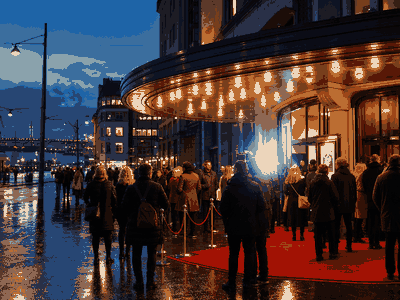 Gothenburg Film Festival1 January 2027 – 28 February 2027 — Gothenburg — Sweden
 Kiruna Snow Festival21 January 2027 – 25 January 2027 — Sweden — Sweden
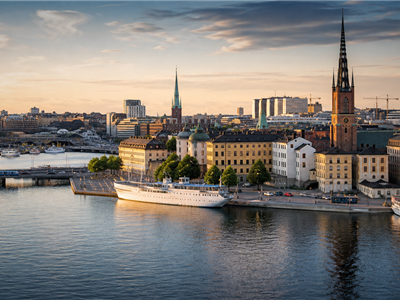 Sweden National Day6 June 2027 — Across Sweden — Sweden
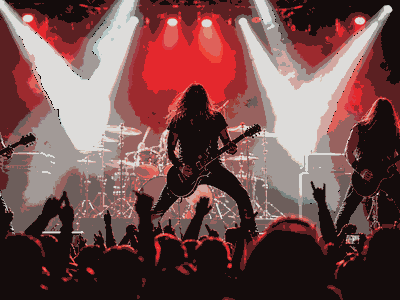 Sweden Rock Festival9 June 2027 – 12 June 2027 — Solvesborg — Sweden
Gothenburg Film Festival1 January 2027 – 28 February 2027 — Gothenburg — SwedenKiruna Snow Festival21 January 2027 – 25 January 2027 — Sweden — SwedenSweden National Day6 June 2027 — Across Sweden — SwedenSweden Rock Festival9 June 2027 – 12 June 2027 — Solvesborg — SwedenUse Stockholm as the first planning anchor for Sweden, then compare the city, food and worth-seeing notes on this page.
Food & drink
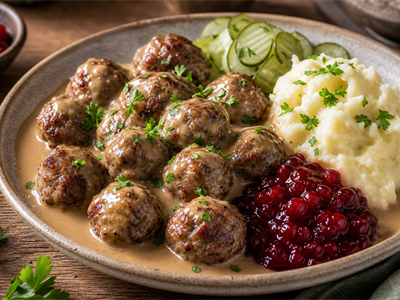 Meatballs
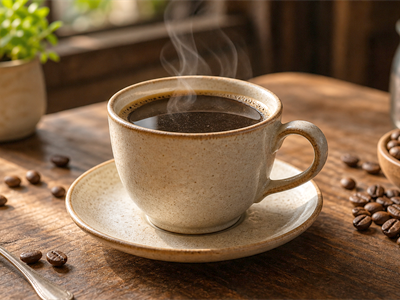 Coffee
Known for
Stockholm ArchipelagoThousands of islandsNorthern LightsMidsommarflowerssinging.
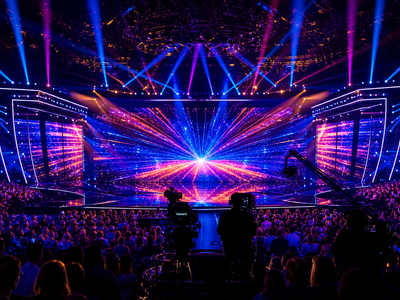 Music & Culture
 Nordic outdoors