Forecast
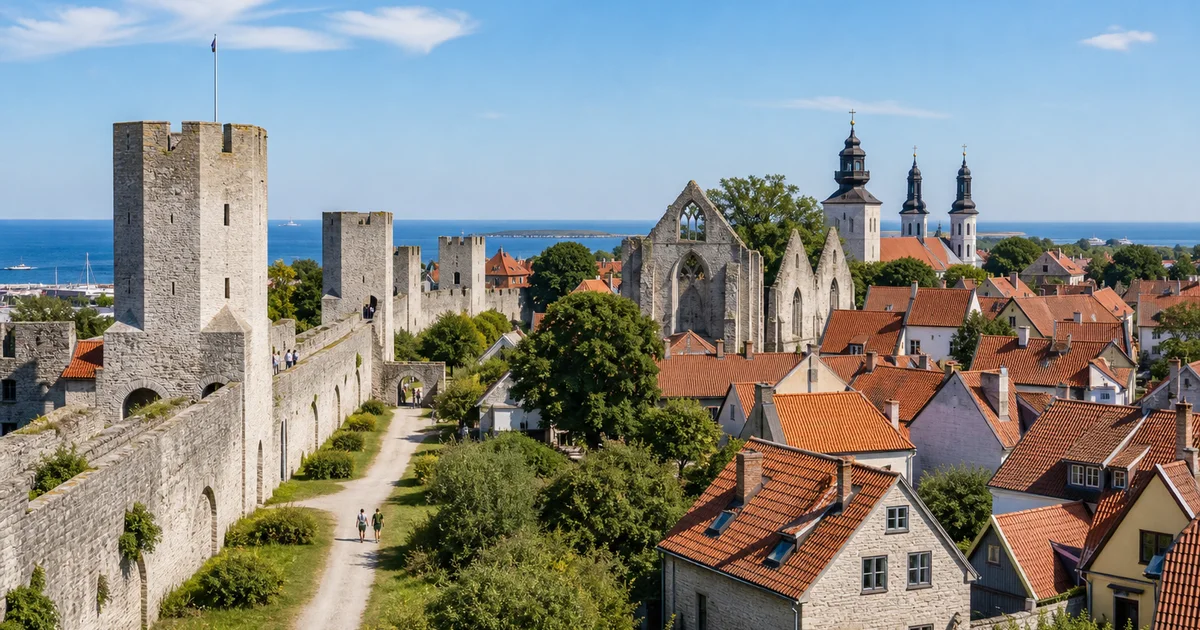
Visby
Local time--:--
Europe/StockholmWeather Forecast
Visby, SwedenOpen-Meteo forecast.
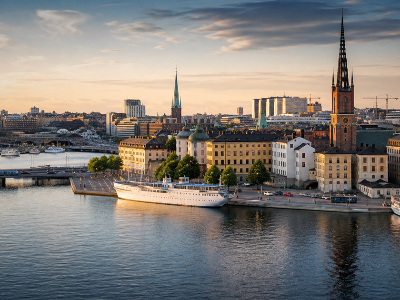
Visby city overview
Visby works best as a base in Sweden when you anchor days around Visby city wall, Stora Torget and Botanical Garden. Use those sights to understand the city's history, street life and visitor rhythm. Visby International Airport handles the main arrival flow, so hotel choice should balance the centre, transfer time and day-trip plans.
Worth seeing
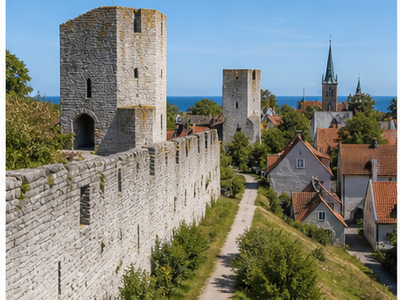
Visby city wall
Visby city wall is a named stop in Visby worth keeping on the route when it fits the day's transport, timing and neighborhood plan.
View on map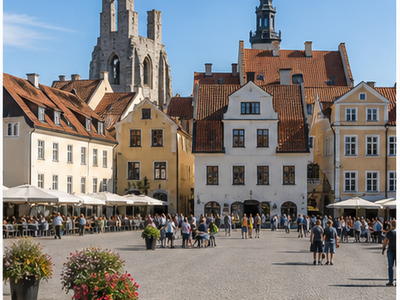
Stora Torget
Stora Torget is a named stop in Visby worth keeping on the route when it fits the day's transport, timing and neighborhood plan.
View on map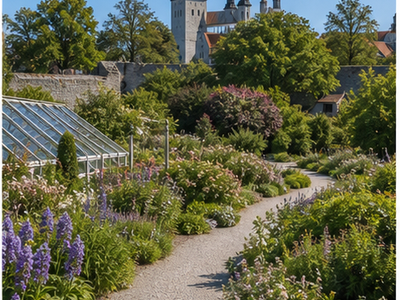
Botanical Garden
Botanical Garden adds outdoor time to a Visby stay, with open space, views or waterfront breathing room between denser city sights.
View on map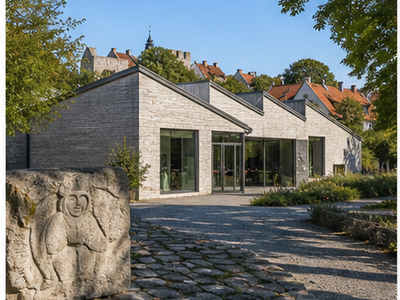
Gotland Museum
Gotland Museum is a key Visby culture stop, useful for understanding local history, collections and rainy-day planning near the main sightseeing route.
View on map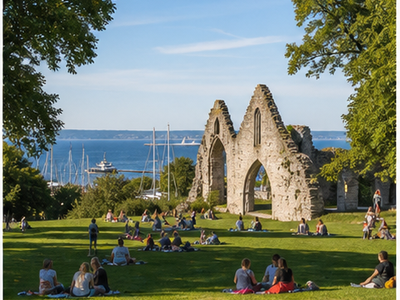
Almedalen
Almedalen is a named stop in Visby worth keeping on the route when it fits the day's transport, timing and neighborhood plan.
View on map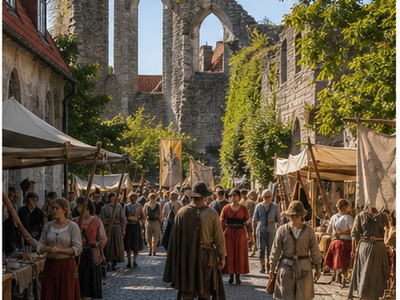
Medieval Week
Medieval Week is a named stop in Visby worth keeping on the route when it fits the day's transport, timing and neighborhood plan.
View on mapStay overview
Start with City centre for the easiest first Visby stay, then compare Old Town and Waterfront when price, nightlife, quieter evenings or transfer timing matter more than being beside every major sight.
Hotels & areas
Visby hotel choice is mostly about repeat journeys: use City centre for sightseeing, Old Town for a different local base, and Waterfront or Airport area when views, parking, airport timing or longer stays matter.
City centre
City centre is the most practical first base in Visby, keeping main sights, restaurants and short local transfers close.
Best for: first visits, sightseeing, restaurantsSee hotel optionsOld Town
Old Town is the most practical first base in Visby, keeping main sights, restaurants and short local transfers close.
Best for: first visits, sightseeing, restaurantsSee hotel optionsWaterfront
Waterfront suits travellers who want views, evening walks and a calmer base while still keeping central Visby reachable.
Best for: views, quieter evenings, walksSee hotel optionsAirport area
Airport area works mainly for early departures, late arrivals or car pickup, not for a first Visby sightseeing base.
Best for: early flights, late arrivals, car pickupSee hotel optionsFlights & airports
Visby Airport (VBY) arrival plan
- Visby Airport (VBY)About 4 km from the centre
Compare airport access against hotel location, arrival time, rental car pickup, late flights and onward driving before choosing the first night base.
Rental cars
Visby day-trip car use
Do not rent a car for central Visby unless parking and traffic are part of the plan; use one mainly for regional day trips.
Compare rental carsTravel tips
Best base
Choose City centre for a first stay because it keeps main sights, restaurants and practical local movement close.
Airport timing
Leave extra time for Visby International Airport, especially for early flights, late arrivals, traffic or unfamiliar transfer routes.
Local movement
Plan each day in clusters around Visby city wall and Stora Torget so transfers do not consume the best sightseeing hours.
Day trips
Keep one flexible slot for nearby routes from Visby, checking weather, transport and opening hours before committing.
Nearby ideas
Nature · about 25 min · bus 61 north along the coast road
Lummelunda caves
Gotland's longest cave system, with underground streams and formations lit along a guided route.
View on mapIsland · about 1 h 15 min · bus 20 to Fårösund, then the free ferry
Fårö
Bergman's island, with raukar sea stacks at Langhammars and wide empty beaches.
View on mapNature · about 20 min · bus or car south-west from Visby
Högklint
A fifty-metre cliff looking back along the coast, the standard Visby sunset spot.
View on mapUpcoming events
City history
1,800 Gotlanders were killed in battle in front of the city.
It was reshaped in the 13th century to its current appearance, and was officially opened in 1225, by the bishop of the Swedish city of Linköping (in regional map).
Around 1300, it was rebuilt to reach its current height, acquiring the characteristic towers, although some towers were not constructed until the 15th century.
In 1361, Gotland was conquered by Valdemar IV of Denmark.
In 1391, 1394 and 1398, it was taken and plundered by the Victual Brothers, pirates who sailed the Baltic Sea.
An invading army of Teutonic Knights conquered Gotland in 1398, destroyed Visby and expelled the Victual Brothers.
In 1409, Grand Master Ulrich von Jungingen of the Teutonic Knights guaranteed peace with the Kalmar Union of Scandinavia by selling the island of Gotland to Queen Margaret of Denmark, Norway and Sweden.
In 1411, the Norwegian, Danish and Swedish King Eric of Pomerania had the castle of Visborg constructed, and settled himself there for 12 years, during which the city virtually became a pirates' nest, and.
In the 12th century, Visby Cathedral, dedicated to Saint Mary, was constructed.
In the Gutasagan (mid 14th century) the place is referred to as just Wi meaning "holy place, place of worship".
It was inhabited as early as the Stone Age, probably because of the access to fresh water and a natural harbour.
In the Danish throne quarrel, Lübeck, a Free City of the Holy Roman Empire and a leading member of the Hanseatic League, supported Frederick I, while Søren Norby the Danish governor of Gotland fought.
While Norby fought a military action in Sweden, the Lübeckers successfully attacked Visby and set the city on fire from four sites.
Mary's Cathedral remained the last functional church and became the new city parish.