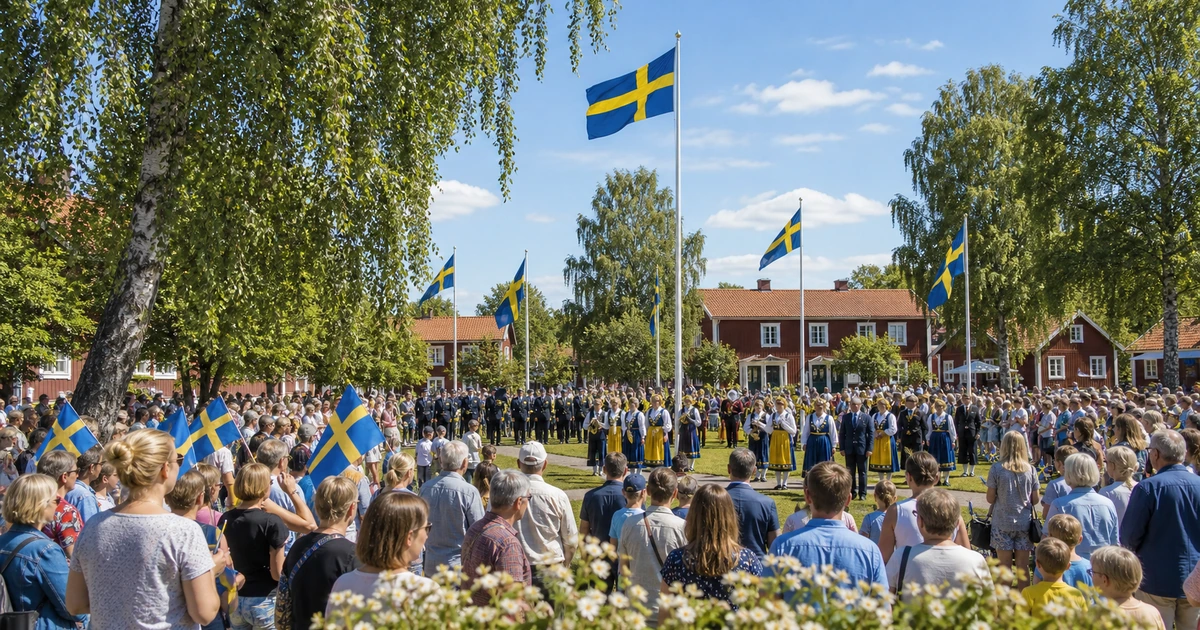
Sweden National Day 2027


More National days
National days topic
Return to the National days index for related events.
About the day
The story behind the day 6 June marks two defining moments in Swedish history: Gustav Vasa was elected king in 1523, ending Danish rule and founding modern Sweden. On the same date in 1809, Sweden adopted a new constitution that reshaped the country's governance. The day was first celebrated as Swedish Flag Day in 1916. It became an official public holiday in 1983, and was renamed National Day in 2005. The main ceremony takes place at Skansen in Stockholm, where the royal family participates in flag-raising and folk dancing. Today it is a day for Swedes to reflect on their identity — marked by blue-and-yellow flags across the entire country, from Lapland to Skåne.
Municipal gatherings, speeches and flag-raising give the day its public shape.
Why this day
6 June marks two defining moments in Swedish history: Gustav Vasa was elected king in 1523, ending Danish rule and founding modern Sweden. On the same date in 1809, Sweden adopted a new constitution that reshaped the country's governance.
The day was first celebrated as Swedish Flag Day in 1916. It was formally designated Sweden's National Day in 1983 and has been a public holiday since 2005. The main ceremony takes place at Skansen in Stockholm, where the royal family participates in flag-raising and folk dancing.
Today it is a day for Swedes to reflect on their identity — marked by blue-and-yellow flags across the entire country, from Lapland to Skåne.
Timeline
- 1523Gustav Vasa elected king
- 1809New constitution adopted
- 1916First Swedish Flag Day
- 1983Formally designated National Day
- 2005Became public holiday
Key figures
Stay for the event
Check-in 5 Jun, check-out 7 Jun 2027 — 2 nights around 6 June 2027. Change the dates to stay longer.
AREA
Find stays in StockholmGetting there
- Celebratednationwide
- CapitalStockholm
- Time zoneCET (UTC+1)
Travel tips
- The royal family attends the Skansen ceremony in Stockholm — arrive early for a spot.
- June 6 is a public holiday: many shops close, museums and parks host open events.
- The Royal Palace traditionally holds an open house on National Day.
Host country
- Currency: Swedish krona (SEK)
- Language: Swedish
- Emergency number: 112
- Time zone: CEST in June
What to eat
 Gravlax
Cured salmon with dill and mustard sauce — a Swedish staple at celebrations
 New potatoes
Early summer potatoes with butter, dill and chives
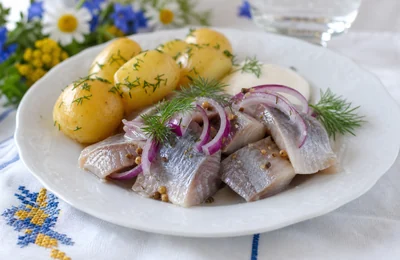 Pickled herring
Inlagd sill — mustard, dill or onion varieties served cold
 Strawberries
Jordgubbar — early Swedish strawberries with cream mark the season
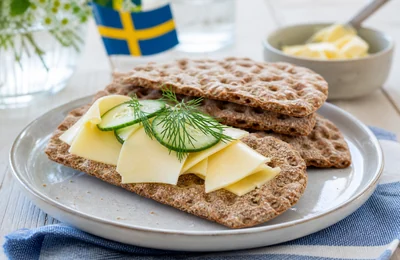 Knäckebröd
Swedish crispbread with butter and cheese, on every Swedish table
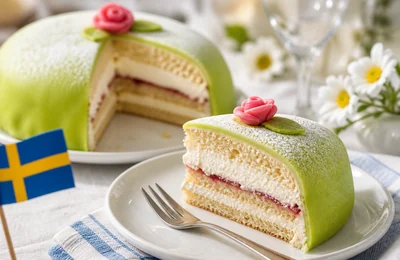 Prinsesstårta
Green marzipan layer cake — a classic Swedish celebration cake
What to drink
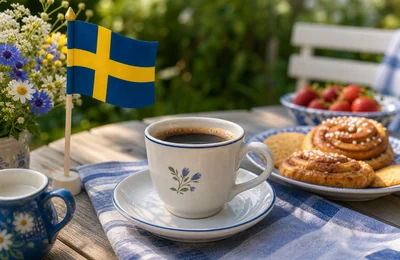 Coffee
Fika anchors the day: coffee with buns, cake or strawberries.
 Elderflower cordial
A cold summer drink for family tables and outdoor gatherings.
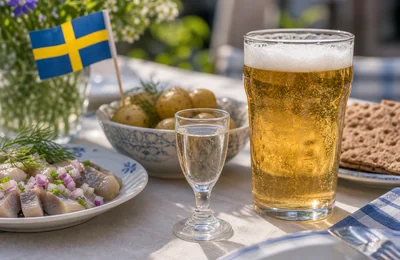 Beer or snaps
For adults, especially with herring, potatoes and crispbread.
Culture & traditions
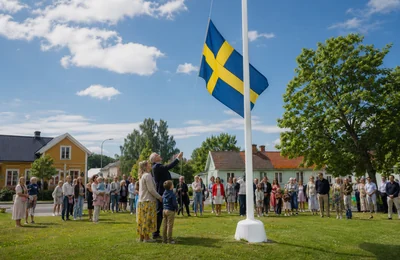 Local ceremonies
Municipal gatherings, speeches and flag-raising give the day its public shape.
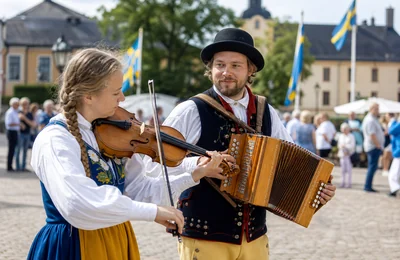 Folk music
Fiddle, accordion and folk dress often appear at local celebrations and public programs.
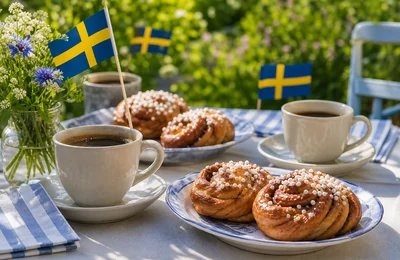 Fika
FikaCoffee, buns and simple summer tables make the celebration feel social and everyday.
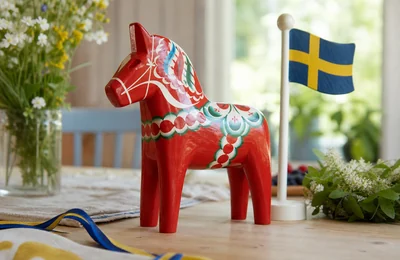 Craft symbols
Objects such as the Dala horse bring Swedish craft and regional identity into the scene.
Coming years
Sweden National Day 2028
- Tuesday 6 June 2028Next event date
Sweden National Day 2029
- Wednesday 6 June 2029Event date
Sweden National Day 2030
- Thursday 6 June 2030Event date