Forecast
Stockholm
Local time--:--
Europe/StockholmWeather Forecast
Stockholm, SwedenOpen-Meteo forecast.
Stockholm city overview
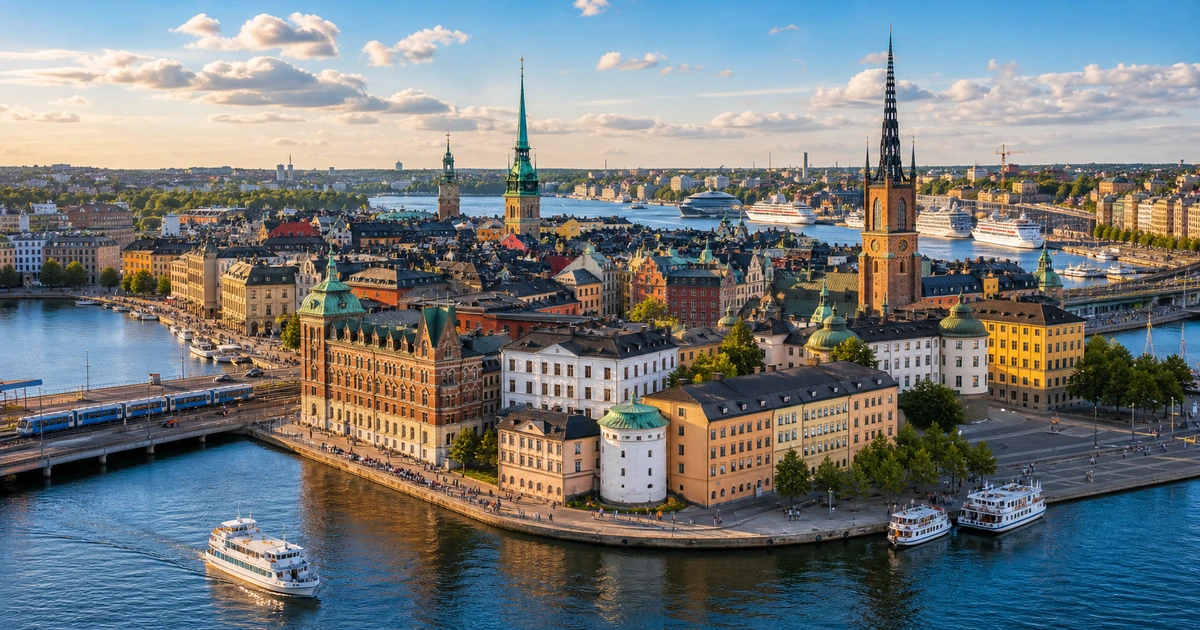
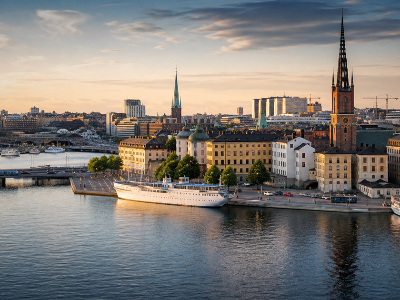
Stockholm works best as a base in Sweden when you anchor days around Gamla Stan, Vasa Museum and Stockholm archipelago. Use those sights to understand the city's history, street life and visitor rhythm. Stockholm Arlanda handles the main arrival flow, so hotel choice should balance the centre, transfer time and day-trip plans.
Worth seeing
Gamla Stan
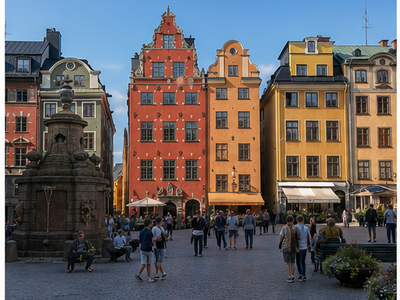
Gamla Stan is a named stop in Stockholm worth keeping on the route when it fits the day's transport, timing and neighborhood plan.
View on map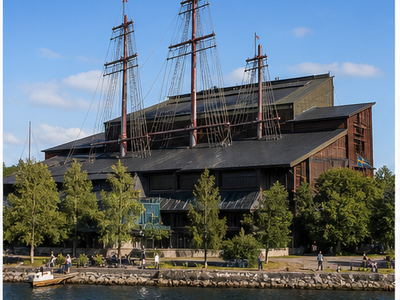
Vasa Museum
Vasa Museum is a key Stockholm culture stop, useful for understanding local history, collections and rainy-day planning near the main sightseeing route.
View on map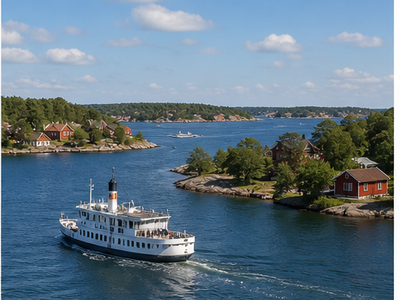
Stockholm archipelago
Stockholm archipelago is a clear heritage marker in Stockholm, best used as a fixed point when grouping nearby streets, monuments and viewpoints.
View on map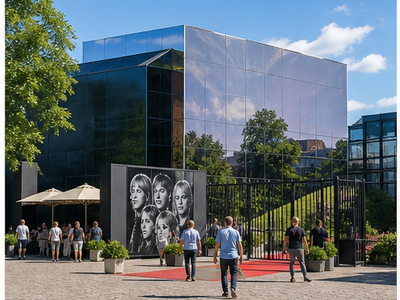
ABBA The Museum
ABBA The Museum is a key Stockholm culture stop, useful for understanding local history, collections and rainy-day planning near the main sightseeing route.
View on map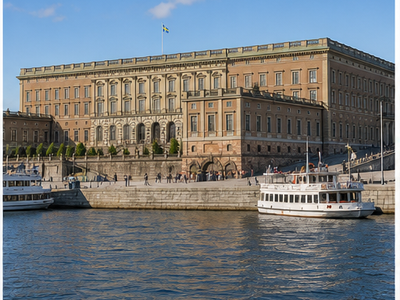
Royal Palace
Royal Palace anchors the historic and ceremonial side of Stockholm, making it a practical stop for architecture, local memory and orientation.
View on map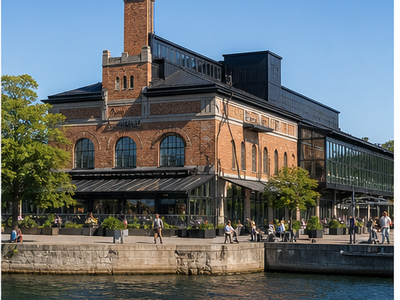
Fotografiska
Fotografiska is a named stop in Stockholm worth keeping on the route when it fits the day's transport, timing and neighborhood plan.
View on mapStay overview
Start with City centre for the easiest first Stockholm stay, then compare Old Town and Waterfront when price, nightlife, quieter evenings or transfer timing matter more than being beside every major sight.
Hotels & areas
Stockholm hotel choice is mostly about repeat journeys: use City centre for sightseeing, Old Town for a different local base, and Waterfront or Airport area when views, parking, airport timing or longer stays matter.
City centre
City centre is the most practical first base in Stockholm, keeping main sights, restaurants and short local transfers close.
Best for: first visits, sightseeing, restaurantsSee hotel optionsOld Town
Old Town is the most practical first base in Stockholm, keeping main sights, restaurants and short local transfers close.
Best for: first visits, sightseeing, restaurantsSee hotel optionsWaterfront
Waterfront suits travellers who want views, evening walks and a calmer base while still keeping central Stockholm reachable.
Best for: views, quieter evenings, walksSee hotel optionsAirport area
Airport area works mainly for early departures, late arrivals or car pickup, not for a first Stockholm sightseeing base.
Best for: early flights, late arrivals, car pickupSee hotel optionsFlights & airports
Stockholm-Arlanda Airport (ARN) arrival plan
- Stockholm-Arlanda Airport (ARN)About 36 km from the centre
To the centre: Arlanda Express to Stockholm Central, or Flygbussarna coach (~45 min), about 20 min (Arlanda Express ticket; coach ticket).
- Stockholm Västerås Airport (VST)About 86 km from the centre
Compare airport access against hotel location, arrival time, rental car pickup, late flights and onward driving before choosing the first night base.
- Stockholm Skavsta Airport (NYO)About 89 km from the centre
Compare airport access against hotel location, arrival time, rental car pickup, late flights and onward driving before choosing the first night base.
Public transport
- Tunnelbana, buses, commuter trains, trams and ferries (SL)Single ticket valid 75 min; 24 h, 72 h and 30-day tickets; buy in the SL app, machines or tap a card at the gate — no cash on buses
- TaxiUber, Bolt, metered taxis (yellow plates) — Call, hail or use a rank; metered taxis carry yellow number plates
Rental cars
Stockholm day-trip car use
Do not rent a car for central Stockholm unless parking and traffic are part of the plan; use one mainly for regional day trips.
Compare rental carsTravel tips
Best base
Choose City centre for a first stay because it keeps main sights, restaurants and practical local movement close.
Airport timing
Leave extra time for Stockholm Arlanda, especially for early flights, late arrivals, traffic or unfamiliar transfer routes.
Local movement
Plan each day in clusters around Gamla Stan and Vasa Museum so transfers do not consume the best sightseeing hours.
Day trips
Keep one flexible slot for nearby routes from Stockholm, checking weather, transport and opening hours before committing.
Nearby ideas
Heritage · about 50 min · metro to Brommaplan then bus, or a summer boat from Stadshuskajen
Drottningholm Palace
The royal family's home, with a 1766 theatre that still uses its original stage machinery.
View on mapTown · about 50 min · commuter train to Märsta, then bus 575
Sigtuna
Sweden's oldest town, a single wooden main street between rune stones and church ruins.
View on mapNature · about 50 min · bus 807 from Gullmarsplan to Tyresta by
Tyresta National Park
Primeval pine forest with trees over 400 years old, on marked loops from the visitor centre.
View on mapIsland · about 1 h 10 min · Waxholmsbolaget boat from Strömkajen
Vaxholm
The archipelago's gateway town, with a 1500s fortress island guarding the channel.
View on mapCity history
The earliest written mention of the name Stockholm dates from 1252, by which time the mines in Bergslagen made it an important site in the iron trade.
Stockholm's oldest preserved charter, the Letter of Privilege from the Privy Council (Riksrådets privilegiebrev), was issued by the Privy Council of Sweden on 1 May 1436 as a reward for the city's loyalty and.
In 1625, the Great Stockholm Fire of 1625 destroyed the southwestern section of Stadsholmen, an island in the centre of Stockholm.
In 1634, Stockholm became the official capital of the Swedish empire.
In 1697, Tre Kronor Castle burned down and was replaced eventually by Stockholm Palace; the time of the Swedish Empire also saw several architectural modernisations of the city.
From 1887 to 1953 the Old Stockholm telephone tower was a landmark; originally built to link phone lines, it became redundant after these were buried, and it was later used for advertising before its.
Stockholm's core, the present Old Town (Gamla Stan) was built on the central island next to Helgeandsholmen from the mid-13th century onward.
Stockholm became a modern and ethnically diverse city in the latter half of the 20th century.
According to Erik's Chronicle the city is said to have been founded by Birger Jarl to protect Sweden from sea invasions made by Karelians after the pillage of Sigtuna on Lake Mälaren in the.
The strategic and economic importance of the city made Stockholm an important factor in relations between the rulers of the Kalmar Union and the Swedish anti-unionist movement in the fifteenth century and early sixteenth.
The beginning of the Swedish Empire saw a renaissance in the arts and sciences; the new queen, Christina, was a strong supporter of science and culture.
Various artists and writers became prominent, funded by the king and other cultural patrons like Carl Gustaf Tessin; the two aforementioned figures laid the base for Sweden's Nationalmuseum at this time.
Science also became prevalent; renowned figures like Carl Linnaeus and Anders Celsius spent time in Stockholm, and various research institutes, like the Stockholm Observatory, were founded.
At the end of the nineteenth century, less than 40% of the residents were Stockholm-born, with most migrants being from poorer rural Sweden; major settlement began to expand outside the historical city limits.