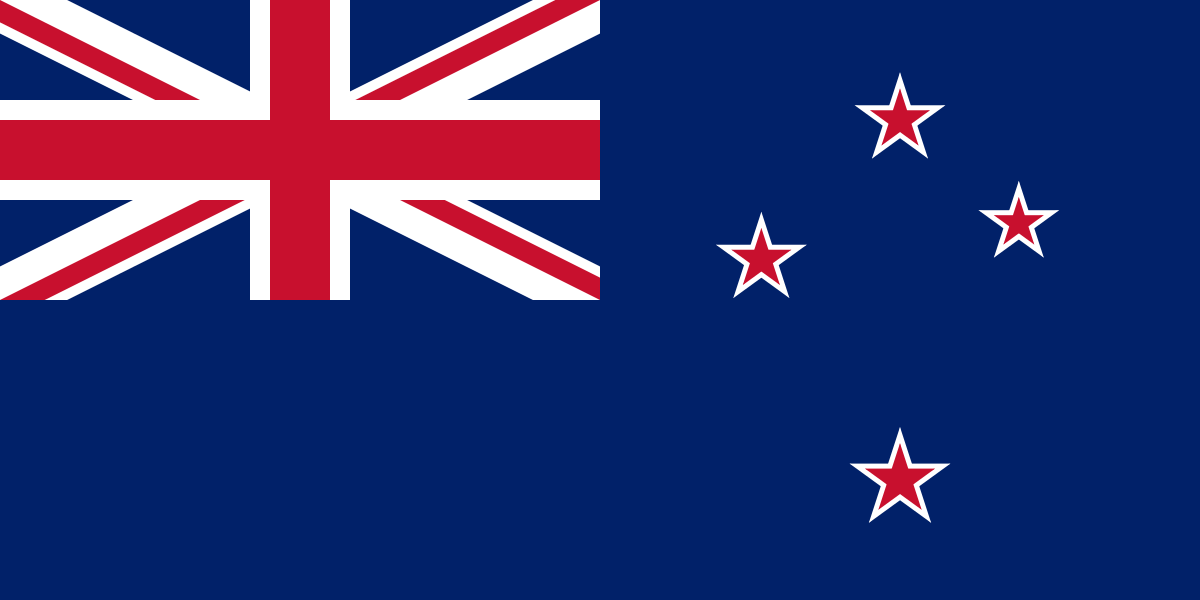
New Zealand
History
Treaty of Waitangi set new terms for sovereignty or administration.
New Zealand gained wider self-government.
New Zealand became a dominion, expanding self-government within the British imperial system.
The Balfour Declaration recognised New Zealand as autonomous within the Commonwealth.
New Zealand adopted the Statute of Westminster and took full legislative independence.
The Constitution Act removed the last British legislative power over New Zealand.
 Part ofOceaniaMore countries, cities and routes.
Short facts
RegionOceania / Polynesia
LanguageEnglish, Maori
Time zoneNZST (UTC+12)
Drives onLeft
Worth seeing
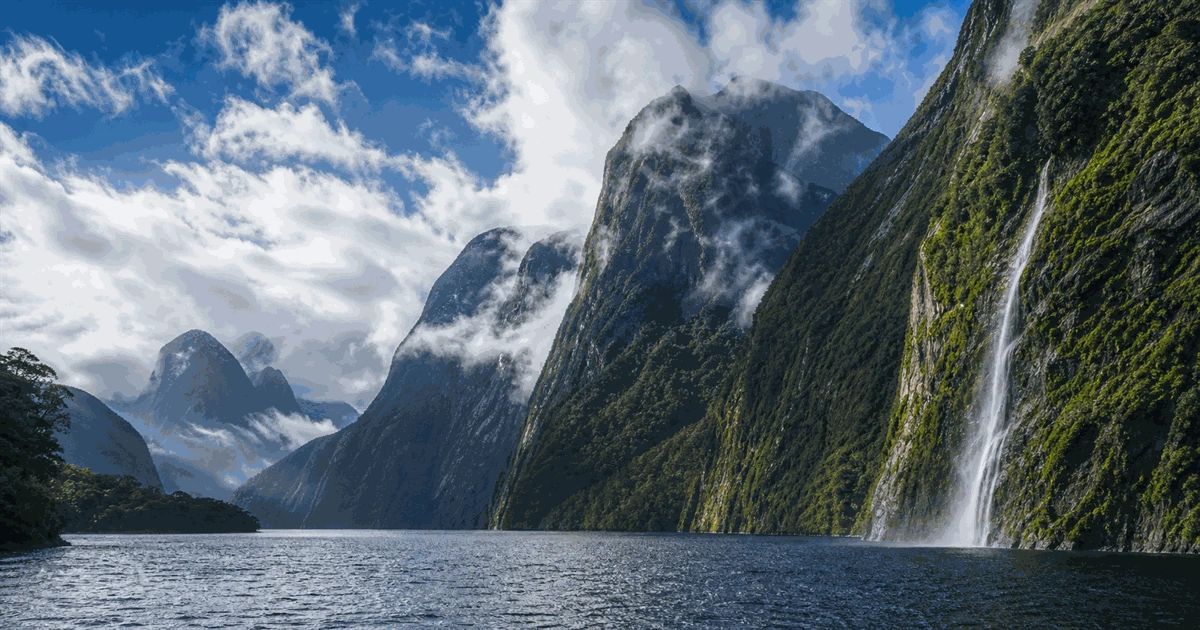
- Fiordland: Dramatic glacially carved fiords including Milford Sound in the world's wettest inhabited place.
- Rotorua: Geothermal wonderland of geysers, mud pools, and Maori culture.
- Queenstown: Adventure capital of the world: bungee jumping, skydiving, and skiing.
Find a city in New Zealand
Showing all cities
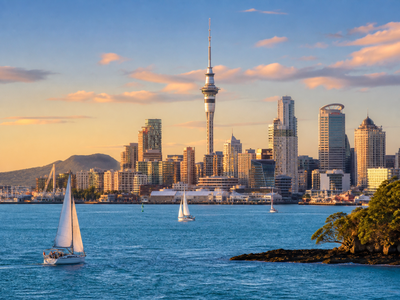 Auckland
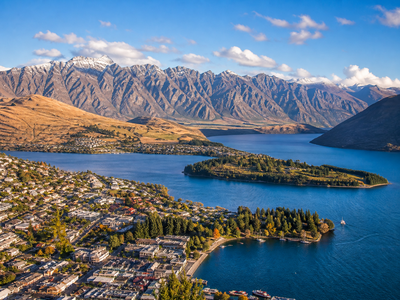 Queenstown
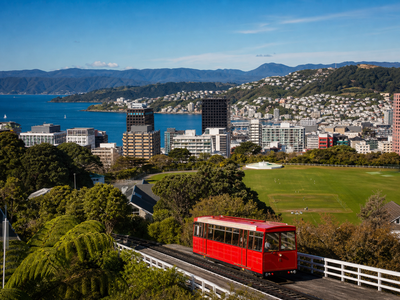 Wellington
Planning questions
What is New Zealand known for?Fiordland, Rotorua, Queenstown.
What is the capital?Wellington.
Which language is useful?English, Maori.
When is the national day?6 February.
How should I browse it here?Start with the facts, jump to linked cities, then check events and topics.
Upcoming events
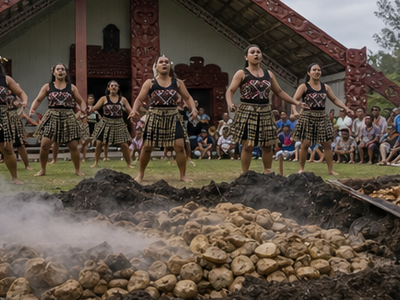 New Zealand National Day6 February 2027 — Across New Zealand — New Zealand
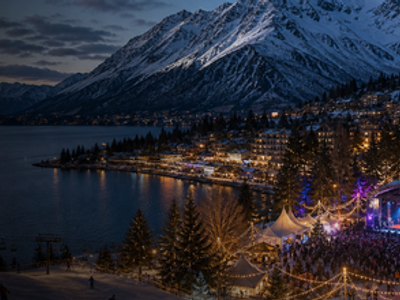 Queenstown Winter Festival11 June 2027–21 June 2027 — Queenstown — New Zealand
Use Wellington as the first planning anchor for New Zealand, then compare the city, food and worth-seeing notes on this page.
Food & drink
 Street food
 Coffee
Known for
FiordlandRotoruaQueenstownWellingtonStreet foodCoffee
 Music & Culture