Forecast
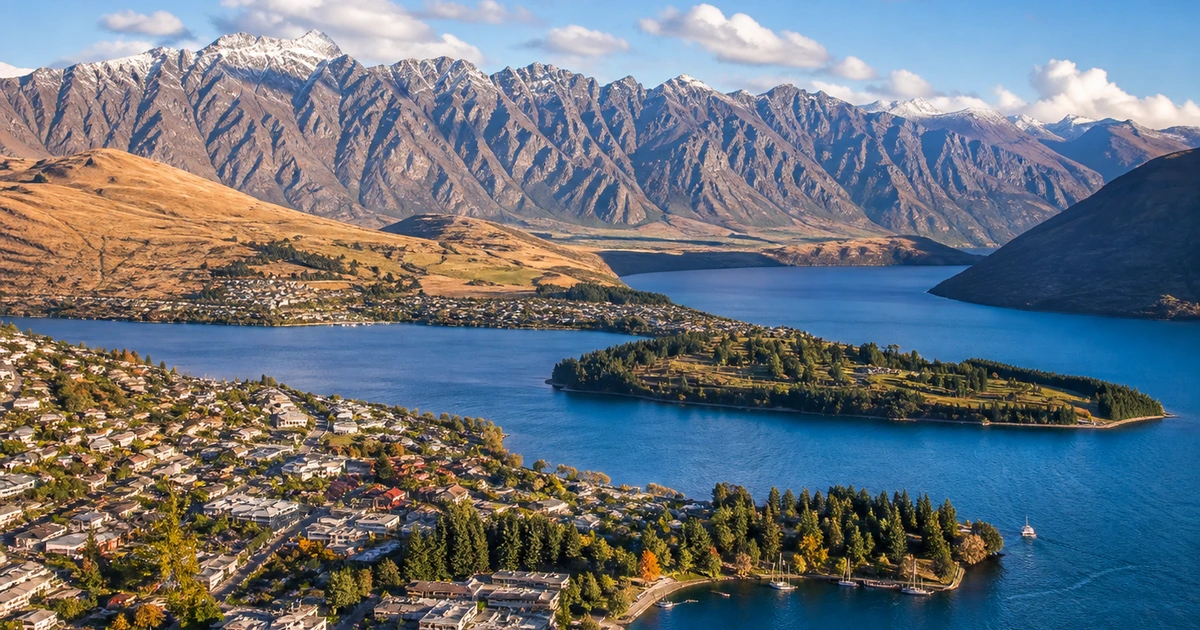
Queenstown
Local time--:--
Pacific/AucklandWeather Forecast
Queenstown, New ZealandOpen-Meteo forecast.
Queenstown city overview
Queenstown works best as a base in New Zealand when you anchor days around Lake Wakatipu, Skyline Queenstown and Queenstown Gardens. Use those sights to understand the city's history, street life and visitor rhythm. Queenstown International Airport handles the main arrival flow, so hotel choice should balance the centre, transfer time and day-trip plans.

Worth seeing
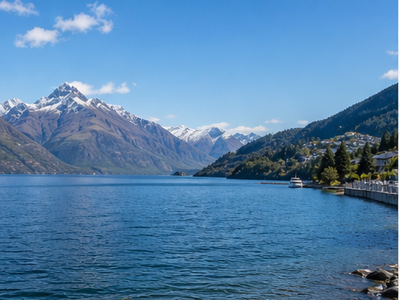
Lake Wakatipu
Lake Wakatipu adds outdoor time to a Queenstown stay, with open space, views or waterfront breathing room between denser city sights.
View on map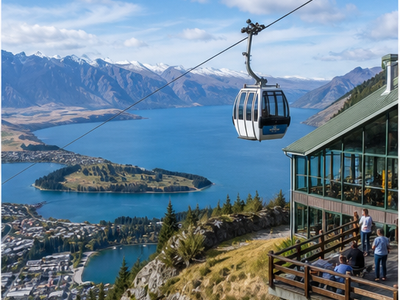
Skyline Queenstown
Skyline Queenstown is a named stop in Queenstown worth keeping on the route when it fits the day's transport, timing and neighborhood plan.
View on map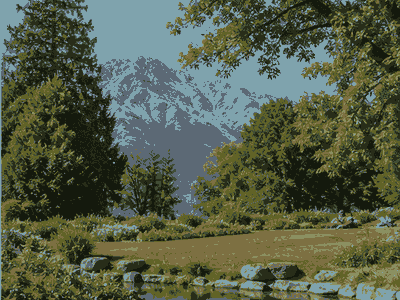
Queenstown Gardens
Queenstown Gardens adds outdoor time to a Queenstown stay, with open space, views or waterfront breathing room between denser city sights.
View on map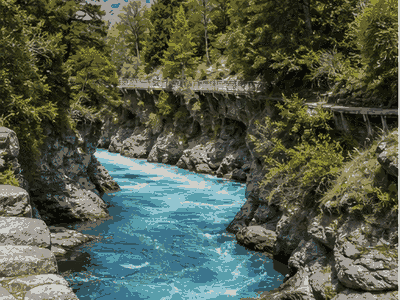
Shotover River
Shotover River adds outdoor time to a Queenstown stay, with open space, views or waterfront breathing room between denser city sights.
View on map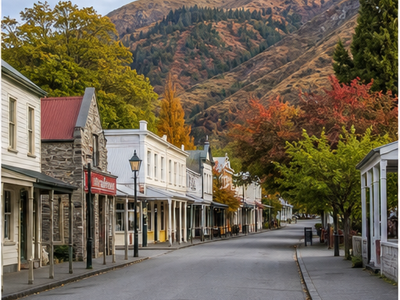
Arrowtown
Arrowtown is a named stop in Queenstown worth keeping on the route when it fits the day's transport, timing and neighborhood plan.
View on map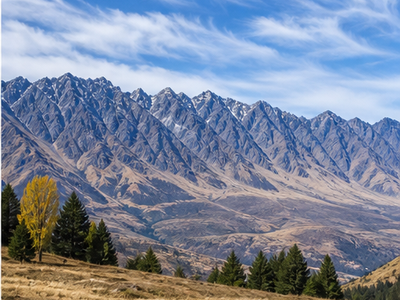
The Remarkables
The Remarkables is a named stop in Queenstown worth keeping on the route when it fits the day's transport, timing and neighborhood plan.
View on mapStay overview
Start with City centre for the easiest first Queenstown stay, then compare Old Town and Waterfront when price, nightlife, quieter evenings or transfer timing matter more than being beside every major sight.
Hotels & areas
Queenstown hotel choice is mostly about repeat journeys: use City centre for sightseeing, Old Town for a different local base, and Waterfront or Airport area when views, parking, airport timing or longer stays matter.
City centre
City centre is the most practical first base in Queenstown, keeping main sights, restaurants and short local transfers close.
Best for: first visits, sightseeing, restaurantsSee hotel optionsOld Town
Old Town is the most practical first base in Queenstown, keeping main sights, restaurants and short local transfers close.
Best for: first visits, sightseeing, restaurantsSee hotel optionsWaterfront
Waterfront suits travellers who want views, evening walks and a calmer base while still keeping central Queenstown reachable.
Best for: views, quieter evenings, walksSee hotel optionsAirport area
Airport area works mainly for early departures, late arrivals or car pickup, not for a first Queenstown sightseeing base.
Best for: early flights, late arrivals, car pickupSee hotel optionsFlights & airports
Queenstown Airport (ZQN) arrival plan
- Queenstown Airport (ZQN)About 7 km from the centre
Compare airport access against hotel location, arrival time, rental car pickup, late flights and onward driving before choosing the first night base.
- Wanaka Airport (WKA)About 57 km from the centre
Compare airport access against hotel location, arrival time, rental car pickup, late flights and onward driving before choosing the first night base.
Rental cars
Queenstown day-trip car use
Do not rent a car for central Queenstown unless parking and traffic are part of the plan; use one mainly for regional day trips.
Compare rental carsTravel tips
Best base
Choose City centre for a first stay because it keeps main sights, restaurants and practical local movement close.
Airport timing
Leave extra time for Queenstown International Airport, especially for early flights, late arrivals, traffic or unfamiliar transfer routes.
Local movement
Plan each day in clusters around Lake Wakatipu and Skyline Queenstown so transfers do not consume the best sightseeing hours.
Day trips
Keep one flexible slot for nearby routes from Queenstown, checking weather, transport and opening hours before committing.
Nearby ideas
Nature · about 1 h 15 min · coach or light aircraft west; the road takes four hours
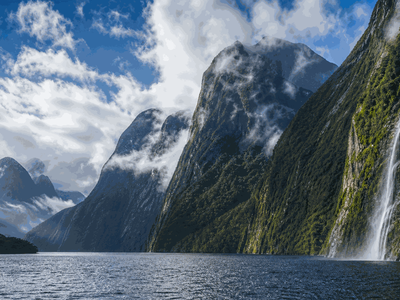
Milford Sound
Mitre Peak rising 1,692 metres straight from the water, in a fiord that rains 200 days a year.
View on mapWine · about 25 min · car east on SH6 through the Kawarau gorge
Gibbston Valley
Pinot noir cellars along the river, reached on a cycle trail from the bungy bridge.
View on mapCity history
The level of the lake rose from 310.5 m to 312.77 m, leading to the most severe flooding in Queenstown's recorded history.
The first non-Māori to see Lake Wakatipu was European Nathanael Chalmers who was guided by Reko, the chief of the Tuturau, over the Waimea Plains and up the Mataura River in September 1853.
In 1860, Rees established a high country farm where Queenstown's town centre now stands, but the discovery of gold in the Arrow River in 1862 encouraged him to convert his wool shed into a.
By the start of 1864 Queenstown had multiple shops, several bars, a post office, a local newspaper, both an Anglican and Catholic church, and a timber yard.
William's Cottage, the Lake Lodge of Ophir (now Artbay Gallery), Queenstown Police Station, and St Peter's Anglican Church lie close together in a designated historic precinct. 1999 flooding There was a severe weather event.
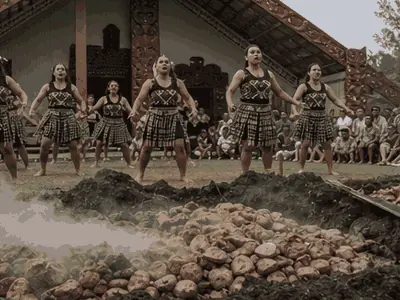
Māori settlement and presence The area was discovered and first settled by Māori.
The tribe of Kāti Māmoe occupied a settlement called Te Kirikiri Pa where the Queenstown Gardens are today, but by the time European migrants arrived in the 1860s this settlement was no longer being.
Kāi Tahu say that the lake was dug by the Waitaha ancestor, Rākaihautū, with his kō (digging stick) named Tūwhakaroria.
After arriving at Whakatū Nelson in the waka Uruao, Rākaihautū divided his crew into two.
After digging the lakes Hāwea, Wānaka, and Whakatipu Waimāori, he travelled through the Greenstone and Hollyford valleys before finally digging Whakatipu Waitai (Lake McKerrow).
Evidence of stake nets, baskets for catching eels, spears and ashes indicated the Glenorchy area was visited by Māori.
The settlement swiftly grew after the discovery of gold with hotels and entertainment venues erected to provide for the prospectors.
Market gardens shortly followed and replaced the need for produce to be transported from Dunedin to the town.
Properties in Glenorchy and Kingston were also flooded, and the road from Queenstown to Glenorchy was damaged by washouts.