Forecast
Auckland
Local time--:--
Pacific/AucklandWeather Forecast
Auckland, New ZealandOpen-Meteo forecast.
Auckland city overview
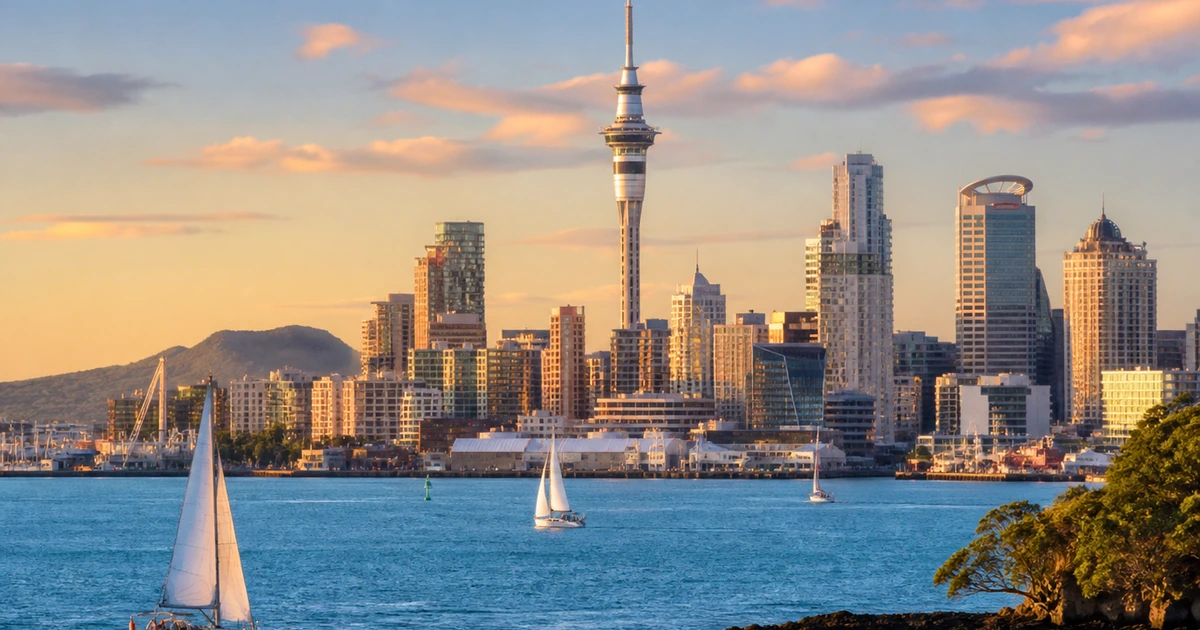
Auckland works best as a base in New Zealand when you anchor days around Sky Tower Auckland, Auckland War Memorial Museum and Auckland Harbour Bridge. Use those sights to understand the city's history, street life and visitor rhythm. Auckland International Airport handles the main arrival flow, so hotel choice should balance the centre, transfer time and day-trip plans.

Worth seeing
Sky Tower Auckland
Sky Tower Auckland is a clear heritage marker in Auckland, best used as a fixed point when grouping nearby streets, monuments and viewpoints.
View on map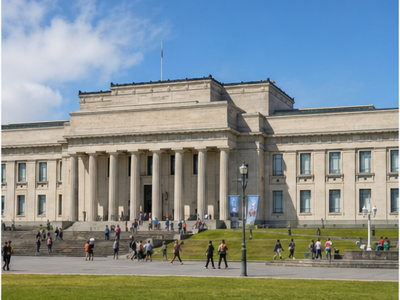
Auckland War Memorial Museum
Auckland War Memorial Museum is a key Auckland culture stop, useful for understanding local history, collections and rainy-day planning near the main sightseeing route.
View on map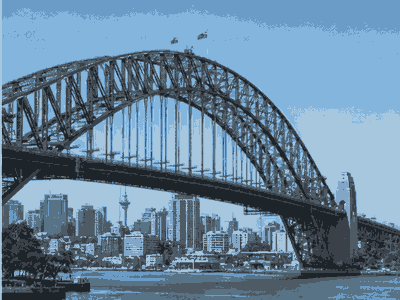
Auckland Harbour Bridge
Auckland Harbour Bridge adds the water-facing side of Auckland, making it a good break from museums, traffic and dense historic streets.
View on map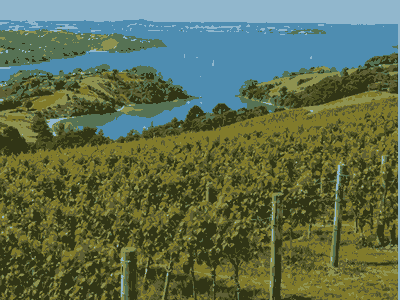
Waiheke Island
Waiheke Island adds the water-facing side of Auckland, making it a good break from museums, traffic and dense historic streets.
View on map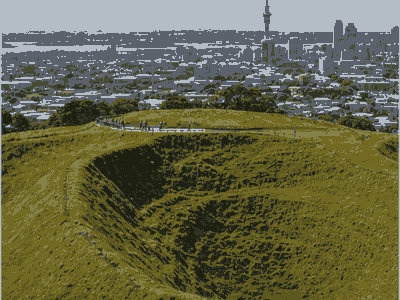
Mount Eden
Mount Eden adds outdoor time to a Auckland stay, with open space, views or waterfront breathing room between denser city sights.
View on map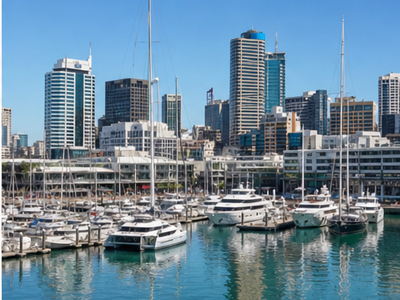
Viaduct Harbour
Viaduct Harbour adds the water-facing side of Auckland, making it a good break from museums, traffic and dense historic streets.
View on mapStay overview
Start with City centre for the easiest first Auckland stay, then compare Old Town and Waterfront when price, nightlife, quieter evenings or transfer timing matter more than being beside every major sight.
Hotels & areas
Auckland hotel choice is mostly about repeat journeys: use City centre for sightseeing, Old Town for a different local base, and Waterfront or Airport area when views, parking, airport timing or longer stays matter.
City centre
City centre is the most practical first base in Auckland, keeping main sights, restaurants and short local transfers close.
Best for: first visits, sightseeing, restaurantsSee hotel optionsOld Town
Old Town is the most practical first base in Auckland, keeping main sights, restaurants and short local transfers close.
Best for: first visits, sightseeing, restaurantsSee hotel optionsWaterfront
Waterfront suits travellers who want views, evening walks and a calmer base while still keeping central Auckland reachable.
Best for: views, quieter evenings, walksSee hotel optionsAirport area
Airport area works mainly for early departures, late arrivals or car pickup, not for a first Auckland sightseeing base.
Best for: early flights, late arrivals, car pickupSee hotel optionsFlights & airports
Auckland International Airport (AKL) arrival plan
- Auckland International Airport (AKL)About 18 km from the centre
Compare airport access against hotel location, arrival time, rental car pickup, late flights and onward driving before choosing the first night base.
Rental cars
Auckland day-trip car use
Do not rent a car for central Auckland unless parking and traffic are part of the plan; use one mainly for regional day trips.
Compare rental carsTravel tips
Best base
Choose City centre for a first stay because it keeps main sights, restaurants and practical local movement close.
Airport timing
Leave extra time for Auckland International Airport, especially for early flights, late arrivals, traffic or unfamiliar transfer routes.
Local movement
Plan each day in clusters around Sky Tower Auckland and Auckland War Memorial Museum so transfers do not consume the best sightseeing hours.
Day trips
Keep one flexible slot for nearby routes from Auckland, checking weather, transport and opening hours before committing.
Nearby ideas
Island · about 25 min · ferry from the downtown terminal
Rangitoto Island
A volcano that rose from the sea 600 years ago; an hour's climb over lava fields to the crater rim.
View on mapBeach · about 50 min · car west through the Waitākere Ranges
Piha
Black iron sand under Lion Rock, with heavy surf; swim only between the patrol flags.
View on mapNature · about 50 min · car north-west via Waimauku
Muriwai gannet colony
Over a thousand gannet pairs nesting on the headland stacks, visible from platforms August to March.
View on mapCity history
In the early 1860s, Auckland became a base against the Māori King Movement, and the 12,000 Imperial soldiers stationed there gave a strong boost to local commerce.
Soon after signing the treaty, Ngāti Whātua Ōrākei made a strategic gift of 3,500 acres (1,400 ha) of land on the Waitematā Harbour to the new Governor of New Zealand, William Hobson, for the.
The Auckland isthmus was settled by Māori around 1350, and was valued for its rich and fertile land.
The confederation came to an end around 1741 when paramount chief Kiwi Tāmaki was killed in battle by Te Waha-akiaki, a chief of the Ngāti Whātua hapū Te Taoū.
The introduction of firearms at the end of the eighteenth century, which began in Northland, upset the balance of power and led to devastating intertribal warfare beginning in 1807, causing iwi who lacked the.
However, even in 1840 Port Nicholson (later renamed Wellington) was seen as a better choice for an administrative capital because of its proximity to the South Island, and Wellington became the capital in 1865.
Auckland was founded on 18 September 1840 and was officially declared New Zealand's capital in 1841, and the transfer of the administration from Russell (now Old Russell) in the Bay of Islands was completed.
After losing its status as capital, Auckland remained the principal city of the Auckland Province until the provincial system was abolished in 1876.
Auckland's port handled 31 per cent of the country's container trade in 2015.
Trams and railway lines shaped Auckland's rapid expansion in the early first half of the 20th century.
Many pā (fortified villages) were built, mainly on the volcanic peaks.
As a result, the region had relatively low numbers of Māori when settlement by European New Zealanders began.
Outlying defensive towns were then constructed to the south, stretching in a line from the port village of Onehunga in the west to Howick in the east.
However, after the Second World War, the city's transport system and urban form became increasingly dominated by the motor vehicle.