Forecast
Melbourne
Local time--:--
Australia/MelbourneWeather Forecast
Melbourne, AustraliaOpen-Meteo forecast.
Melbourne city overview
Melbourne works best as a base in Australia when you anchor days around Federation Square, Queen Victoria Market and Royal Botanic Gardens Victoria. Use those sights to understand the city's history, street life and visitor rhythm. Melbourne International Airport handles the main arrival flow, so hotel choice should balance the centre, transfer time and day-trip plans.
Worth seeing
Federation Square
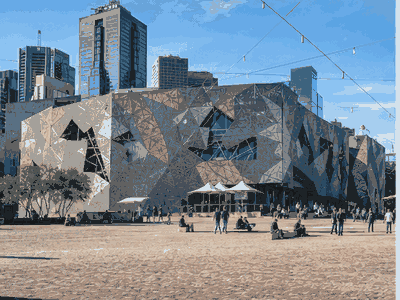
Federation Square is a clear heritage marker in Melbourne, best used as a fixed point when grouping nearby streets, monuments and viewpoints.
View on map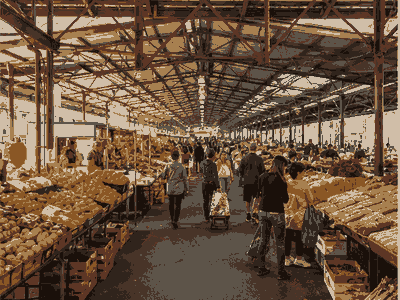
Queen Victoria Market
Queen Victoria Market gives Melbourne a concrete street-life stop, with food, everyday shopping and local movement that helps visitors read the city.
View on map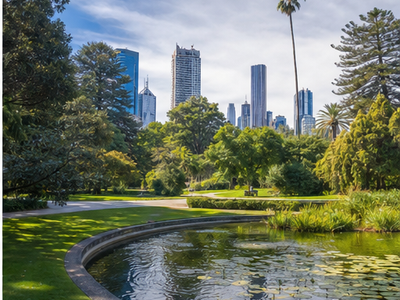
Royal Botanic Gardens Victoria
Royal Botanic Gardens Victoria adds outdoor time to a Melbourne stay, with open space, views or waterfront breathing room between denser city sights.
View on map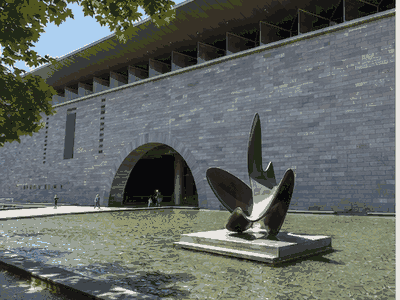
National Gallery of Victoria
National Gallery of Victoria is a key Melbourne culture stop, useful for understanding local history, collections and rainy-day planning near the main sightseeing route.
View on map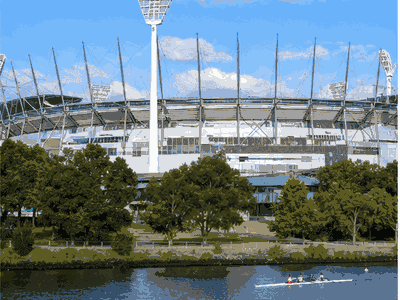
Melbourne Cricket Ground
Melbourne Cricket Ground is a named stop in Melbourne worth keeping on the route when it fits the day's transport, timing and neighborhood plan.
View on map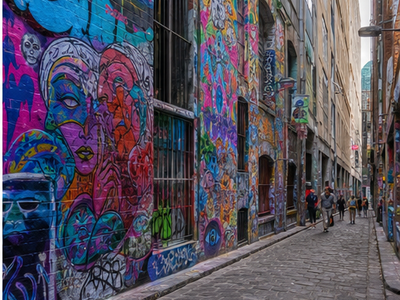
Hosier Lane
Hosier Lane is a named stop in Melbourne worth keeping on the route when it fits the day's transport, timing and neighborhood plan.
View on mapStay overview
Start with City centre for the easiest first Melbourne stay, then compare Old Town and Waterfront when price, nightlife, quieter evenings or transfer timing matter more than being beside every major sight.
Hotels & areas
Melbourne hotel choice is mostly about repeat journeys: use City centre for sightseeing, Old Town for a different local base, and Waterfront or Airport area when views, parking, airport timing or longer stays matter.
City centre
City centre is the most practical first base in Melbourne, keeping main sights, restaurants and short local transfers close.
Best for: first visits, sightseeing, restaurantsSee hotel optionsOld Town
Old Town is the most practical first base in Melbourne, keeping main sights, restaurants and short local transfers close.
Best for: first visits, sightseeing, restaurantsSee hotel optionsWaterfront
Waterfront suits travellers who want views, evening walks and a calmer base while still keeping central Melbourne reachable.
Best for: views, quieter evenings, walksSee hotel optionsAirport area
Airport area works mainly for early departures, late arrivals or car pickup, not for a first Melbourne sightseeing base.
Best for: early flights, late arrivals, car pickupSee hotel optionsFlights & airports
Melbourne Airport (MEL) arrival plan
- Melbourne Airport (MEL)About 19 km from the centre
To the centre: SkyBus to Southern Cross Station, 4 am–1 am daily; airport is 25 km north, about 35 min (SkyBus ticket).
- Melbourne Avalon International Airport (AVV)About 50 km from the centre
Compare airport access against hotel location, arrival time, rental car pickup, late flights and onward driving before choosing the first night base.
- Melbourne Essendon Airport (MEB)About 11 km from the centre
Compare airport access against hotel location, arrival time, rental car pickup, late flights and onward driving before choosing the first night base.
Public transport
- Trams, trains and busesTrams are free inside the city-centre Free Tram Zone; myki card elsewhere on trams, trains and buses; trains ~5 am–midnight
- TaxiSilver Top Taxi, 13CABS, Uber, Ola, DiDi — Metered taxis; rideshare apps widely used
Rental cars
Melbourne day-trip car use
Do not rent a car for central Melbourne unless parking and traffic are part of the plan; use one mainly for regional day trips.
Compare rental carsTravel tips
Best base
Choose City centre for a first stay because it keeps main sights, restaurants and practical local movement close.
Airport timing
Leave extra time for Melbourne International Airport, especially for early flights, late arrivals, traffic or unfamiliar transfer routes.
Local movement
Plan each day in clusters around Federation Square and Queen Victoria Market so transfers do not consume the best sightseeing hours.
Day trips
Keep one flexible slot for nearby routes from Melbourne, checking weather, transport and opening hours before committing.
Nearby ideas
Wine · about 1 h · car north-east via the Maroondah Highway
Yarra Valley
Victoria's oldest wine region, best known for cool-climate pinot noir and sparkling.
View on mapSpa · about 1 h 15 min · car south on the Mornington Peninsula Freeway
Mornington Peninsula
Hot springs you soak in on a hillside, plus bay beaches and the coloured bathing boxes.
View on mapHeritage · about 1 h · Belgrave train line from Flinders Street, then a short walk
Puffing Billy Railway
A century-old narrow-gauge steam train through the Dandenong Ranges, legs over the side of the carriage.
View on mapHeritage · about 45 min · train to Werribee, then bus 439
Werribee Park
A sixty-room Italianate mansion with formal gardens and an open-range zoo next door.
View on mapUpcoming events
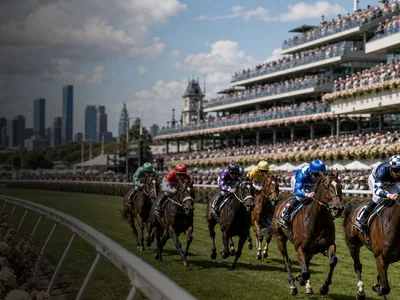
Melbourne Cup
3 November 2026 — Melbourne — Australia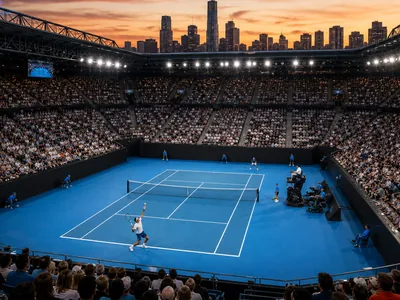
Australian Open
18 January–31 January 2027 — Melbourne — Australia
Australia National Day
26 January 2027 — Across Australia — Australia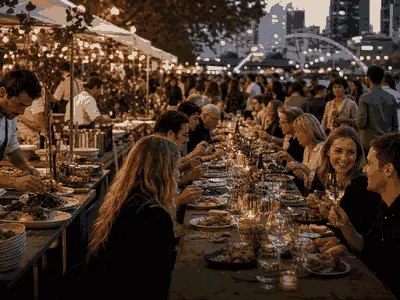
Melbourne Food and Wine Festival
1 March 2027 – 31 March 2027 — Melbourne — Australia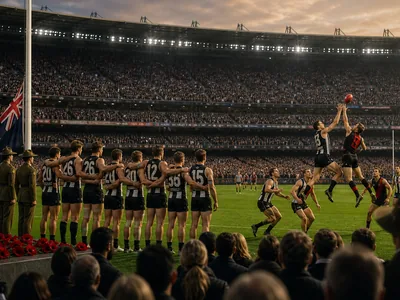
AFL Anzac Day
25 April 2027 — Melbourne — Australia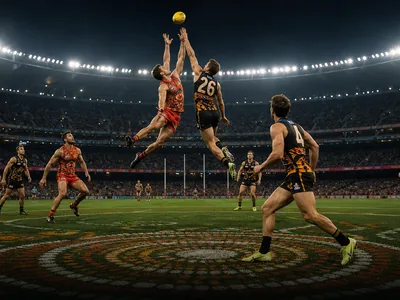
Dreamtime at the G
24 May 2027 — Melbourne — Australia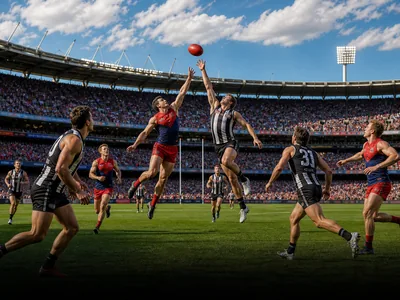
AFL Queen Birthday Clash
8 June 2027–9 June 2027 — Melbourne — Australia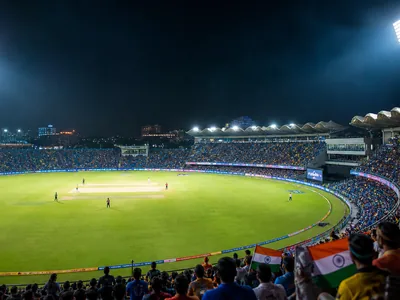
ICC T20 World Cup
21 October–19 November 2028 — Melbourne — AustraliaCity history
In August 1835, another group of Vandemonian settlers arrived in the area and established a settlement at the site of the current Melbourne Immigration Museum.
In 1836, Bourke declared the city the administrative capital of the Port Phillip District of New South Wales, and commissioned the first plan for its urban layout, the Hoddle Grid, in 1837.
Previously known under various informal names, the settlement was named Melbourne on 10 April 1837 by Bourke after the British Prime Minister, William Lamb, 2nd Viscount Melbourne, whose seat was Melbourne Hall in the.
The British Colonial Office had appointed five Aboriginal Protectors for the Aboriginal people of Victoria, in 1839, but their work was nullified by a land policy that favoured squatters who took possession of Aboriginal.
In 1840, the Superintendent of the Port Phillip District, Charles La Trobe issued a directive to banish Aboriginals from the immediate vicinity of Melbourne.
However, Aboriginal people still managed to continue living near the settlement and by January 1844 there were said to be 675 residing in squalid camps around Melbourne.
By 1845, fewer than 240 wealthy Europeans held all the pastoral licences then issued in Victoria and became a powerful political and economic force in Victoria for generations to come.
On 1 July 1851, the Port Phillip District separated from New South Wales to become the Colony of Victoria, with Melbourne as its capital. Victorian gold rush The discovery of gold in Victoria in.
With the gold rush largely over by 1860, Melbourne continued to grow on the back of continuing gold-mining, as the major port for exporting the agricultural products of Victoria (especially wool) and with a.
Melbourne quickly became a major finance centre, home to several banks, the Royal Mint, and (in 1861) Australia's first stock exchange.
The Melbourne cable tramway system opened in 1885 and became one of the world's most extensive systems by 1890.
The effects of the depression on the city were profound, with virtually no significant construction until the late 1890s. Temporary capital of Australia and World War II At the time of Australia's federation on.
That year, the settlement's general post office officially opened with that name.
Middle suburbs like Box Hill became denser as a greater proportion of Melburnians began living in apartments.