Forecast
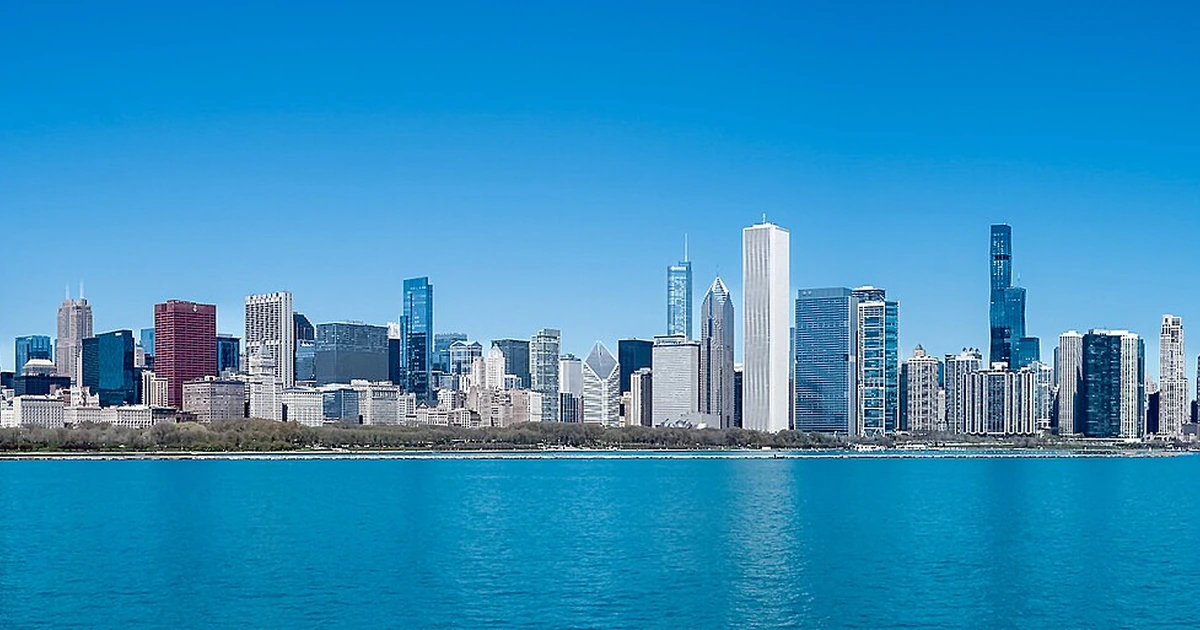
Chicago
Local time--:--
America/ChicagoWeather Forecast
Chicago, USAOpen-Meteo forecast.
Chicago city overview
tba
Worth seeing
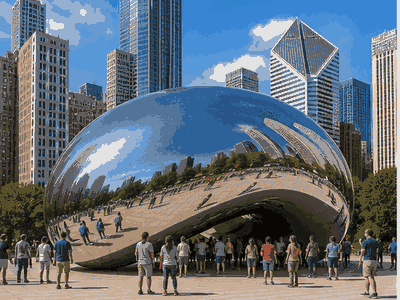
Millennium Park
Millennium Park adds outdoor time to a Chicago stay, with open space, views or waterfront breathing room between denser city sights.
View on map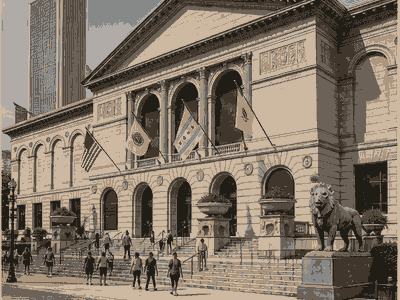
Art Institute of Chicago
Art Institute of Chicago gives Chicago a strong culture stop for museums, exhibitions or local collections, and works best as an indoor anchor in the day's route.
View on map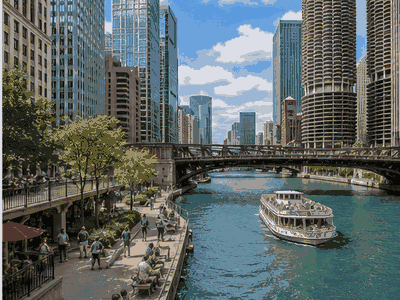
Chicago Riverwalk
Chicago Riverwalk adds outdoor time to a Chicago stay, with open space, views or waterfront breathing room between denser city sights.
View on map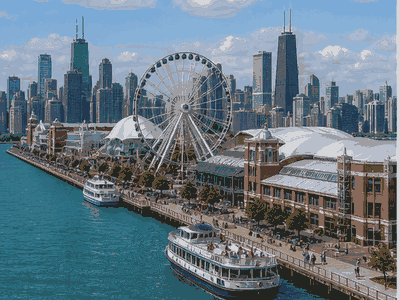
Navy Pier
Navy Pier is a named stop in Chicago worth keeping on the route when it fits the day's transport, timing and neighborhood plan.
View on map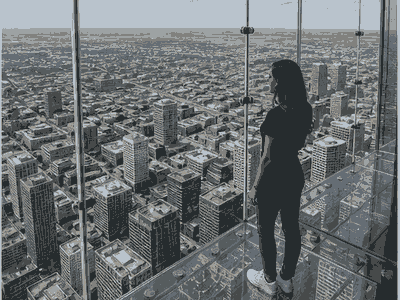
Willis Tower
Willis Tower is a clear heritage marker in Chicago, best used as a fixed point when grouping nearby streets, monuments and viewpoints.
View on map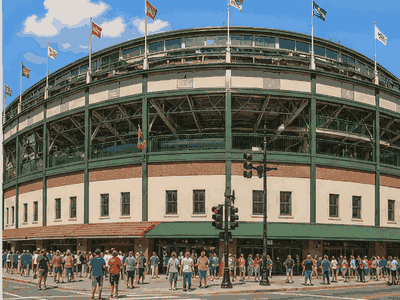
Wrigley Field
Wrigley Field is a named stop in Chicago worth keeping on the route when it fits the day's transport, timing and neighborhood plan.
View on mapStay overview
Start with City centre for the easiest first Chicago stay, then compare Old Town and Waterfront when price, nightlife, quieter evenings or transfer timing matter more than being beside every major sight.
Hotels & areas
Chicago hotel choice is mostly about repeat journeys: use City centre for sightseeing, Old Town for a different local base, and Waterfront or Airport area when views, parking, airport timing or longer stays matter.
City centre
City centre is the most practical first base in Chicago, keeping main sights, restaurants and short local transfers close.
Best for: first visits, sightseeing, restaurantsSee hotel optionsOld Town
Old Town is the most practical first base in Chicago, keeping main sights, restaurants and short local transfers close.
Best for: first visits, sightseeing, restaurantsSee hotel optionsWaterfront
Waterfront suits travellers who want views, evening walks and a calmer base while still keeping central Chicago reachable.
Best for: views, quieter evenings, walksSee hotel optionsAirport area
Airport area works mainly for early departures, late arrivals or car pickup, not for a first Chicago sightseeing base.
Best for: early flights, late arrivals, car pickupSee hotel optionsFlights & airports
Chicago Midway International Airport (MDW) arrival plan
- Chicago Midway International Airport (MDW)About 11 km from the centre
Compare airport access against hotel location, arrival time, rental car pickup, late flights and onward driving before choosing the first night base.
- Chicago O'Hare International Airport (ORD)About 25 km from the centre
To the centre: Blue Line train to downtown, running 24 hours a day, or taxi, about 30 min.
Public transport
- Trains, buses and commuter railBuses take cash in exact change; transit cards are sold at selected outlets and save needing it
Rental cars
Chicago day-trip car use
Do not rent a car for central Chicago unless parking and traffic are part of the plan; use one mainly for regional day trips.
Compare rental carsTravel tips
Best base
Choose City centre for a first stay because it keeps main sights, restaurants and practical local movement close.
Airport timing
Leave extra time for Chicago O'Hare, especially for early flights, late arrivals, traffic or unfamiliar transfer routes.
Local movement
Plan each day in clusters around Chicago and Chicago so transfers do not consume the best sightseeing hours.
Day trips
Keep one flexible slot for nearby routes from Chicago, checking weather, transport and opening hours before committing.
Nearby ideas
Beach · about 1 h 10 min · South Shore Line train from Millennium Station
Indiana Dunes National Park
Lake Michigan dunes you can climb, with the city skyline visible across the water on clear days.
View on mapHeritage · about 30 min · Green Line or Metra from the Loop
Oak Park
Frank Lloyd Wright's own home and studio, plus the densest cluster of his Prairie houses anywhere.
View on mapPark · about 45 min · Metra Union Pacific North line to Braeside
Chicago Botanic Garden
Twenty-seven gardens spread over nine islands, with a bonsai collection and a Japanese garden.
View on mapNature · about 1 h 15 min · car south-west on I-80
Starved Rock State Park
Eighteen sandstone canyons off the Illinois River; the waterfalls freeze into columns in January.
View on mapUpcoming events

United States Independence Day
4 July 2027 — Across USA — United States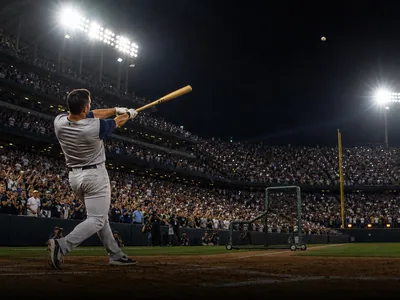
Home Run Derby
12 July 2027 — Chicago — United States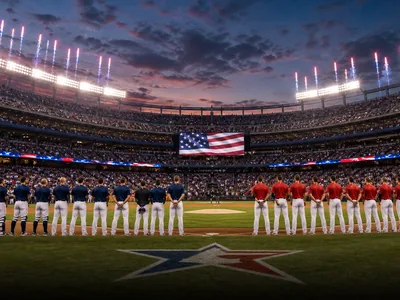
MLB All-Star Game
13 July 2027 — Chicago — United States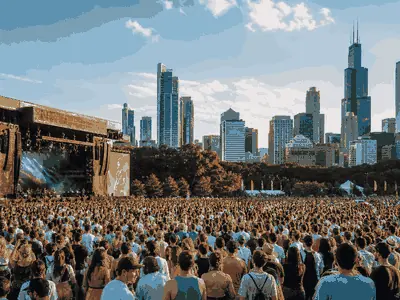
Lollapalooza Chicago
30 July 2027–2 August 2027 — Chicago — United States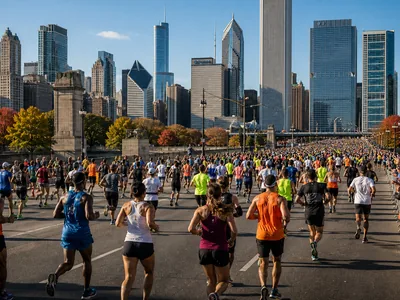
Chicago Marathon
10 October 2027 — Chicago — United StatesCity history
Army constructed Fort Dearborn, which was destroyed during the War of 1812 in the Battle of Fort Dearborn by the Potawatomi before being later rebuilt.
The Potawatomi were forcibly removed from their land after the 1833 Treaty of Chicago and sent west of the Mississippi River as part of the federal policy of Indian removal.
The City of Chicago was incorporated on Saturday, March 4, 1837, and for several decades was the world's fastest-growing city.
Chicago's first railway, Galena and Chicago Union Railroad, and the Illinois and Michigan Canal opened in 1848.
The Chicago Board of Trade (established 1848) listed the first-ever standardized "exchange-traded" forward contracts, which were called futures contracts. 1850–1874 In the 1850s, Chicago gained national political prominence as the home of Senator Stephen.
Lincoln was nominated in Chicago for U.S. president at the 1860 Republican National Convention, which was held in a purpose-built auditorium called the Wigwam.
Rauch established a plan for Chicago's park system in 1866.
On October 8, 1871, the Great Chicago Fire destroyed an area about 4 miles (6.4 km) long and 1-mile (1.6 km) wide, a large section of the city at the time.
The University of Chicago, formerly at another location, moved to the same South Side location in 1892.
In 1900, the problem of sewage contamination was largely resolved when the city completed a major engineering feat.
In 1956, the city conducted its last major expansion when it annexed the land under O'Hare airport, including a small portion of DuPage County.
Major construction projects, including the Sears Tower (now known as the Willis Tower, which in 1974 became the world's tallest building), University of Illinois at Chicago, McCormick Place, and O'Hare International Airport, were undertaken.
Du Sable was of African descent, perhaps born in the French colony of Saint-Domingue (Haiti), and he established the settlement in the 1780s.
As the site of the Chicago Portage, the city became an important transportation hub between the eastern and western United States.