Forecast
Ottawa
Local time--:--
America/TorontoWeather Forecast
Ottawa, CanadaOpen-Meteo forecast.
Ottawa city overview
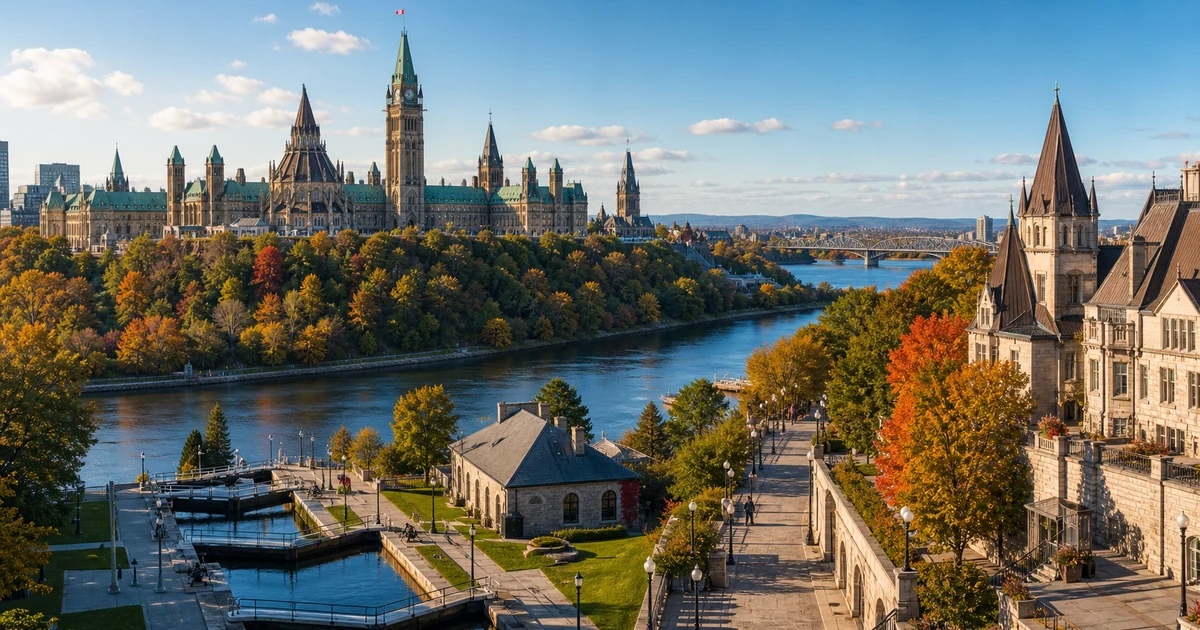
Ottawa works best as a base in Canada when you anchor days around Parliament Hill, Rideau Canal and ByWard Market. Use those sights to understand the city's history, street life and visitor rhythm. Ottawa International Airport handles the main arrival flow, so hotel choice should balance the centre, transfer time and day-trip plans.

Worth seeing
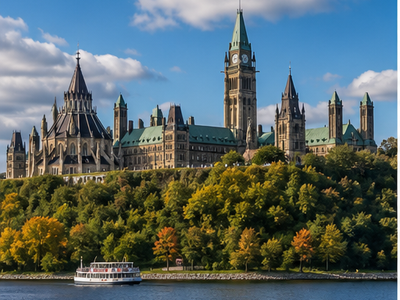
Parliament Hill
Parliament Hill adds outdoor time to a Ottawa stay, with open space, views or waterfront breathing room between denser city sights.
View on map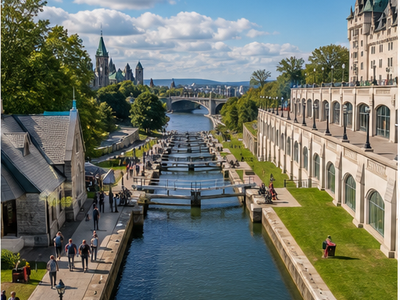
Rideau Canal
Rideau Canal adds the water-facing side of Ottawa, making it a good break from museums, traffic and dense historic streets.
View on map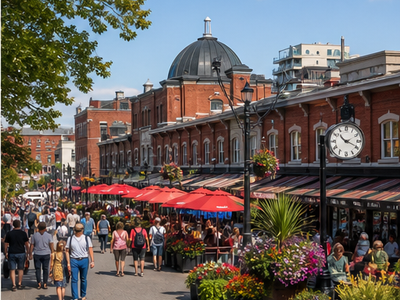
ByWard Market
ByWard Market gives Ottawa a concrete street-life stop, with food, everyday shopping and local movement that helps visitors read the city.
View on map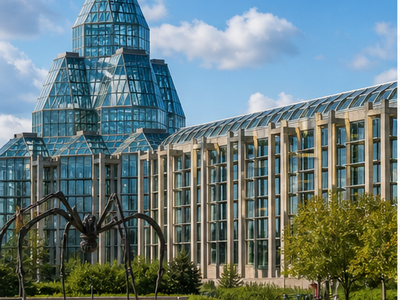
National Gallery
National Gallery is a key Ottawa culture stop, useful for understanding local history, collections and rainy-day planning near the main sightseeing route.
View on map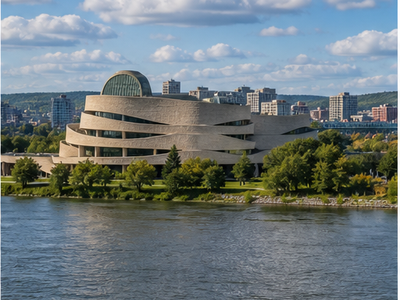
Canadian Museum of History
Canadian Museum of History is a key Ottawa culture stop, useful for understanding local history, collections and rainy-day planning near the main sightseeing route.
View on map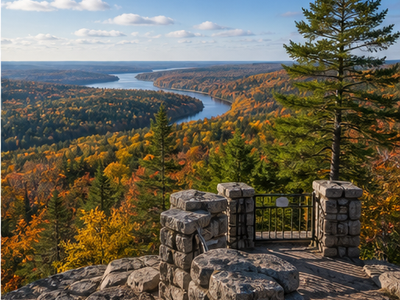
Gatineau Park
Gatineau Park adds outdoor time to a Ottawa stay, with open space, views or waterfront breathing room between denser city sights.
View on mapStay overview
Start with City centre for the easiest first Ottawa stay, then compare Old Town and Waterfront when price, nightlife, quieter evenings or transfer timing matter more than being beside every major sight.
Hotels & areas
Ottawa hotel choice is mostly about repeat journeys: use City centre for sightseeing, Old Town for a different local base, and Waterfront or Airport area when views, parking, airport timing or longer stays matter.
City centre
City centre is the most practical first base in Ottawa, keeping main sights, restaurants and short local transfers close.
Best for: first visits, sightseeing, restaurantsSee hotel optionsOld Town
Old Town is the most practical first base in Ottawa, keeping main sights, restaurants and short local transfers close.
Best for: first visits, sightseeing, restaurantsSee hotel optionsWaterfront
Waterfront suits travellers who want views, evening walks and a calmer base while still keeping central Ottawa reachable.
Best for: views, quieter evenings, walksSee hotel optionsAirport area
Airport area works mainly for early departures, late arrivals or car pickup, not for a first Ottawa sightseeing base.
Best for: early flights, late arrivals, car pickupSee hotel optionsFlights & airports
Ottawa Macdonald-Cartier International Airport (YOW) arrival plan
- Ottawa Macdonald-Cartier International Airport (YOW)About 10 km from the centre
Compare airport access against hotel location, arrival time, rental car pickup, late flights and onward driving before choosing the first night base.
- Ottawa / Rockcliffe Airport (YRO)About 7 km from the centre
Compare airport access against hotel location, arrival time, rental car pickup, late flights and onward driving before choosing the first night base.
- Ottawa / Gatineau Airport (YND)About 16 km from the centre
Compare airport access against hotel location, arrival time, rental car pickup, late flights and onward driving before choosing the first night base.
Rental cars
Ottawa day-trip car use
Do not rent a car for central Ottawa unless parking and traffic are part of the plan; use one mainly for regional day trips.
Compare rental carsTravel tips
Best base
Choose City centre for a first stay because it keeps main sights, restaurants and practical local movement close.
Airport timing
Leave extra time for Ottawa International Airport, especially for early flights, late arrivals, traffic or unfamiliar transfer routes.
Local movement
Plan each day in clusters around Parliament Hill and Rideau Canal so transfers do not consume the best sightseeing hours.
Day trips
Keep one flexible slot for nearby routes from Ottawa, checking weather, transport and opening hours before committing.
Nearby ideas
Heritage · about 50 min · car south-west on Highway 416
Rideau Canal locks at Merrickville
Hand-cranked locks from 1832 in a village of stone mills and blockhouse.
View on mapTown · about 40 min · car north on Highway 5 into the Gatineau hills
Wakefield
A riverside village with a covered bridge, a spring-fed spa and a steam train station.
View on mapHeritage · about 1 h 15 min · car east on Highway 401 to Morrisburg
Upper Canada Village
An 1860s village staffed in role, built from buildings moved before the Seaway flooded them.
View on mapUpcoming events
City history
This period ended with the arrival of settlers and colonization of North America by Europeans during and after the 15th century. European exploration and early development In 1610, Étienne Brûlé became the first documented.
The governor-general of the Province of Canada designated Kingston as the capital in 1841.
In 1843, a report by the Executive Council recommended Montreal as the capital, as it was a more fortifiable location and commercial centre.
In 1844, the Queen's acceptance of a parliamentary vote moved the capital to Montreal.
The Queen sent a letter to colonial authorities selecting Ottawa as the capital, effective 31 December 1857.
On 1 June 1912, the Grand Trunk Railway opened both the Château Laurier hotel and its neighbouring downtown Union Station.
On 3 February 1916, the Centre Block of the Parliament buildings was destroyed by a fire.
The National Capital Commission's structure supplanted the Federal District Commission, which was established in 1927 with a 16-year funding commitment but was reliant on the voluntary transfer of municipal planning authorities from the district's.
It became the site of the National War Memorial in 1939 and was designated a National Historic Site in 1984.
The 1958 National Capital Act established the National Capital Commission as a crown corporation.
The fire destroyed approximately 3,200 buildings and caused an estimated $300 million in damage (in 2020 Canadian dollars).
Approximately 3000-3500 years before present, there is definitive evidence of continuously existing settlements, including likely hearths and heavy tools.
The first non-Indigenous settlement in the area was created by Philemon Wright, a New Englander.
The fire had a disproportionate effect on west-end lower-income neighbourhoods.