Forecast
London
Local time--:--
Europe/LondonWeather Forecast
London, EnglandOpen-Meteo forecast.
London city overview
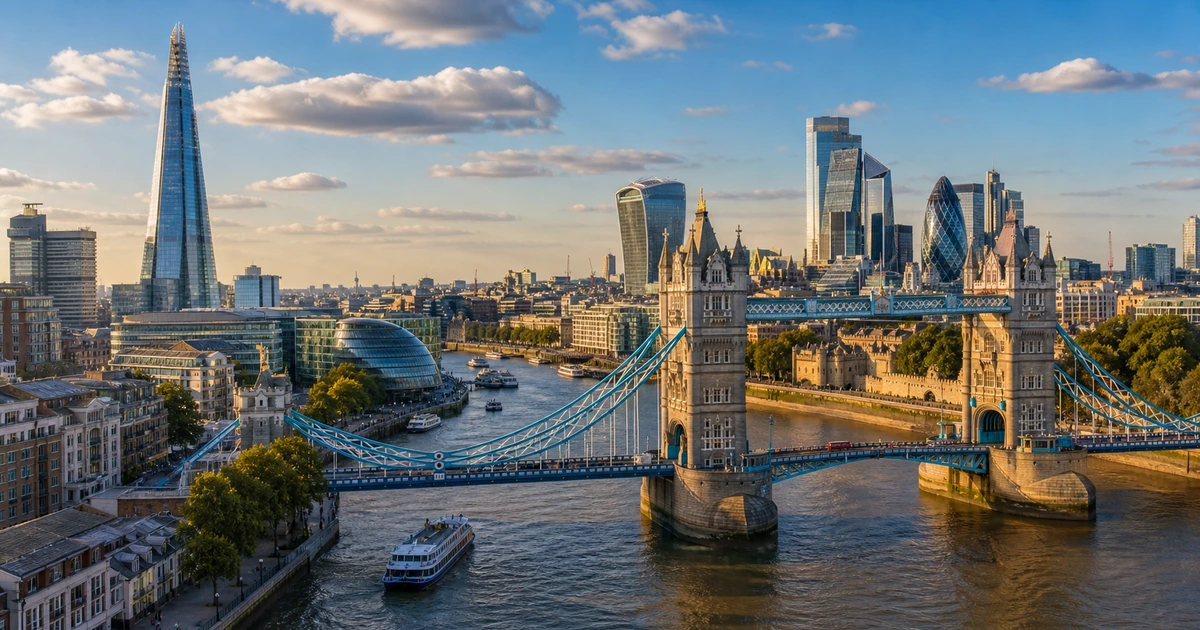
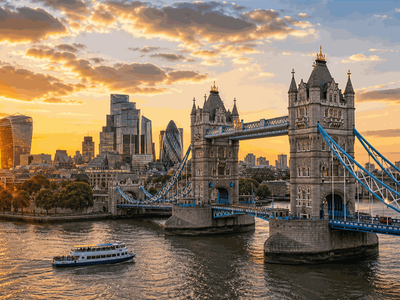
London is a vast but readable capital when you plan around the Tube, river and neighbourhoods. Start with Westminster and the Houses of Parliament, cross to the South Bank, then save time for the British Museum or Tower of London. Heathrow is the main long-haul airport, while Gatwick, Stansted, Luton and City shape route choices.
Worth seeing
Houses of Parliament
Houses of Parliament is a named stop in London worth keeping on the route when it fits the day's transport, timing and neighborhood plan.
View on map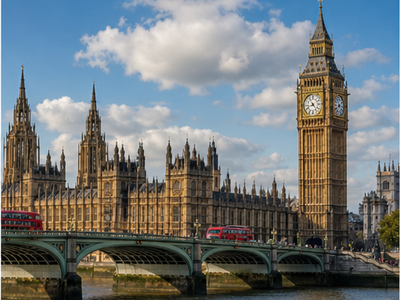
Tower of London
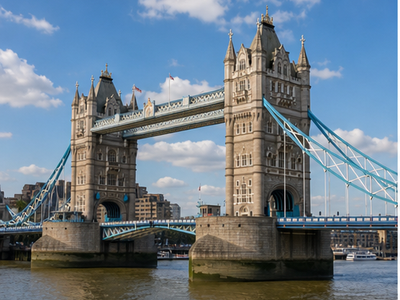
Tower of London is a clear heritage marker in London, best used as a fixed point when grouping nearby streets, monuments and viewpoints.
View on map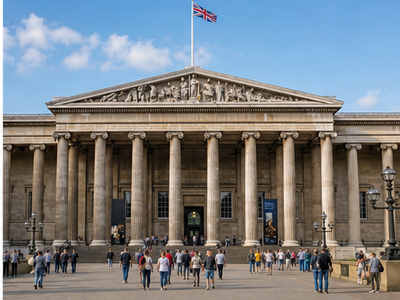
British Museum
The British Museum is one of London's major free museums, strongest when you choose a few galleries rather than rushing everything.
View on map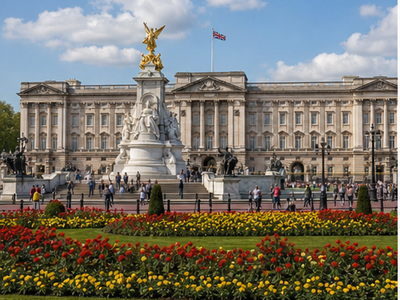
South Bank
South Bank is a named stop in London worth keeping on the route when it fits the day's transport, timing and neighborhood plan.
View on map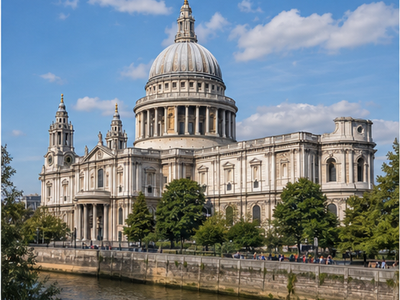
Hyde Park
Hyde Park gives central London a large green pause, useful between Kensington museums, shopping streets and royal parks.
View on map
Shoreditch
Shoreditch is a named stop in London worth keeping on the route when it fits the day's transport, timing and neighborhood plan.
View on mapStay overview
Choose Westminster for landmarks, Covent Garden for theatre and restaurants, South Bank for river culture, Kensington for museums and Heathrow convenience, or Shoreditch for nightlife and a more local East London base.
Hotels & areas
London hotel choice is about transport as much as neighbourhood feel. Stay near a useful Tube or Elizabeth line station, then choose between landmark-heavy Westminster, theatre-led Covent Garden, museum-focused Kensington or food-led Shoreditch.
Westminster
Westminster is best for first-time landmark walks, Parliament views, royal parks and easy Underground access.
Best for: first visits, landmarks, royal parksSee hotel optionsCovent Garden
Covent Garden puts theatres, restaurants, shops and Soho within easy walking distance, but hotels cost more.
Best for: theatre, restaurants, nightlifeSee hotel optionsSouth Bank
South Bank gives river views, cultural venues and walkable routes between Waterloo, Tate Modern and Westminster.
Best for: river walks, culture, familiesSee hotel optionsKensington
Kensington works for museums, Hyde Park, polished hotels and easier access toward Heathrow routes.
Best for: museums, parks, HeathrowSee hotel optionsShoreditch
Shoreditch suits restaurants, bars, street art and repeat visitors who want East London energy.
Best for: nightlife, food, repeat visitsSee hotel optionsFlights & airports
London Heathrow Airport (LHR) arrival plan
- London Heathrow Airport (LHR)About 24 km from the centre
Compare airport access against hotel location, arrival time, rental car pickup, late flights and onward driving before choosing the first night base.
- London Gatwick Airport (LGW)About 40 km from the centre
Compare airport access against hotel location, arrival time, rental car pickup, late flights and onward driving before choosing the first night base.
- London Luton Airport (LTN)About 44 km from the centre
Compare airport access against hotel location, arrival time, rental car pickup, late flights and onward driving before choosing the first night base.
Rental cars
London day-trip car use
Do not rent a car for London; congestion, parking and public transport make it unnecessary until leaving the city.
Compare rental carsTravel tips
Best base
Pick a hotel near a Tube or Elizabeth line station rather than chasing the absolute geographic centre.
Airport choice
Check the airport before booking flights, because Heathrow, Gatwick, Stansted, Luton and City have very different transfer routes.
Payments
Use contactless cards or mobile wallets on Tube, buses and many rail services instead of buying paper tickets.
Day trip
Windsor, Oxford and Hampton Court are straightforward rail day trips when you want a break from central London.
Nearby ideas
Castle
Windsor
Windsor is a nearby side trip from London; keep it for a day when travel time, weather and opening hours fit the route.
View on mapCity
Oxford
Oxford is a nearby side trip from London; keep it for a day when travel time, weather and opening hours fit the route.
View on mapPalace
Hampton Court Palace
Hampton Court Palace gives Tudor history, gardens and river scenery southwest of central London.
View on mapUpcoming events

Frieze London
14–18 October 2026 — London — United Kingdom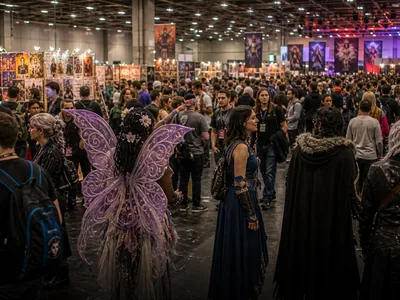
Mcm Comic Con London
23 October 2026 – 25 October 2026 — London — United Kingdom
EFG London Jazz Festival
13 November 2026 – 22 November 2026 — London — United Kingdom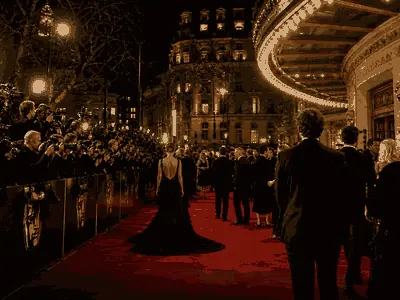
BAFTA Film Awards
21 February 2027 — London — United Kingdom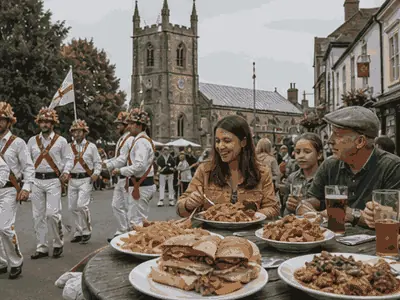
England National Day
23 April 2027 — Across England — England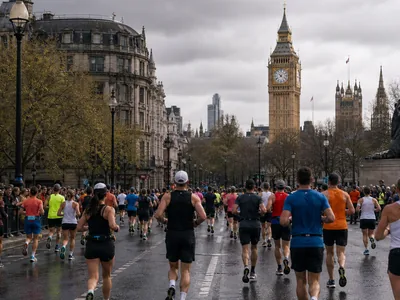
London Marathon
27 April 2027 – 25 April 2027 — London — United Kingdom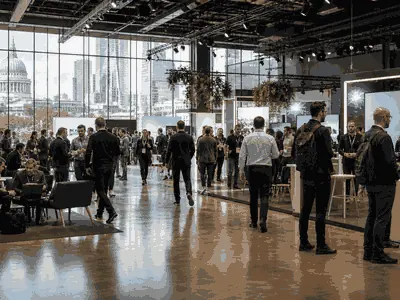
London Tech Week
1 June 2027 – 30 June 2027 — London — United Kingdom
Premiership Rugby Final
14 June 2027 — London — United Kingdom
United Rugby Championship Final
20 June 2027–21 June 2027 — London — United Kingdom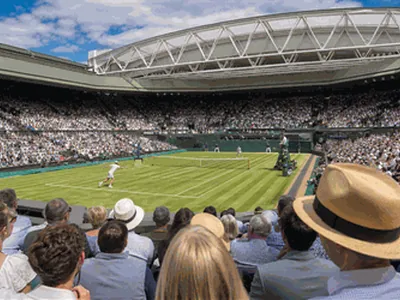
Wimbledon
28 June 2027 – 11 July 2027 — London — United Kingdom
Samsung Galaxy Unpacked
22 July 2027 — London — United Kingdom
The Hundred Final
16 August 2027–17 August 2027 — London — United KingdomCity history
By about 680 the city had become a major port again, but there is little evidence of large-scale production.
In 1264, during the Second Barons' War, Simon de Montfort's rebels killed 500 Jews while attempting to seize records of debts. Early modern The Reformation produced a shift to Protestantism.
The fortifications failed their only test when the New Model Army entered London in 1647.
The ban was lifted during the 1660 Restoration; London's oldest theatre, Drury Lane, opened in 1663.
In 1666, the Great Fire destroyed much of the wooden-built city.
In 1710, Christopher Wren's masterpiece St Paul's Cathedral was completed, replacing its medieval predecessor, lost in the Great Fire.
During the 18th century London was dogged by crime, and the Bow Street Runners were established in 1750 as a professional police force.
Following an 1838 fire, the Royal Exchange was rebuilt in 1844.
Lyons opened the first of their chain of teashops in Piccadilly in 1894.
In the 12th century the institutions of central government, which had followed the royal English court around the country, grew in size and sophistication and became increasingly fixed, for most purposes at Westminster, although.
Westminster Abbey, rebuilt in Romanesque style by King Edward the Confessor, was one of the grandest churches in Europe.
Winchester had been the capital of Anglo-Saxon England, but from this time, London became the main forum for foreign traders and the base for defence in time of war.
It became the basis of a new Palace of Westminster.
London became the main North Sea port, with migrants from England and abroad.