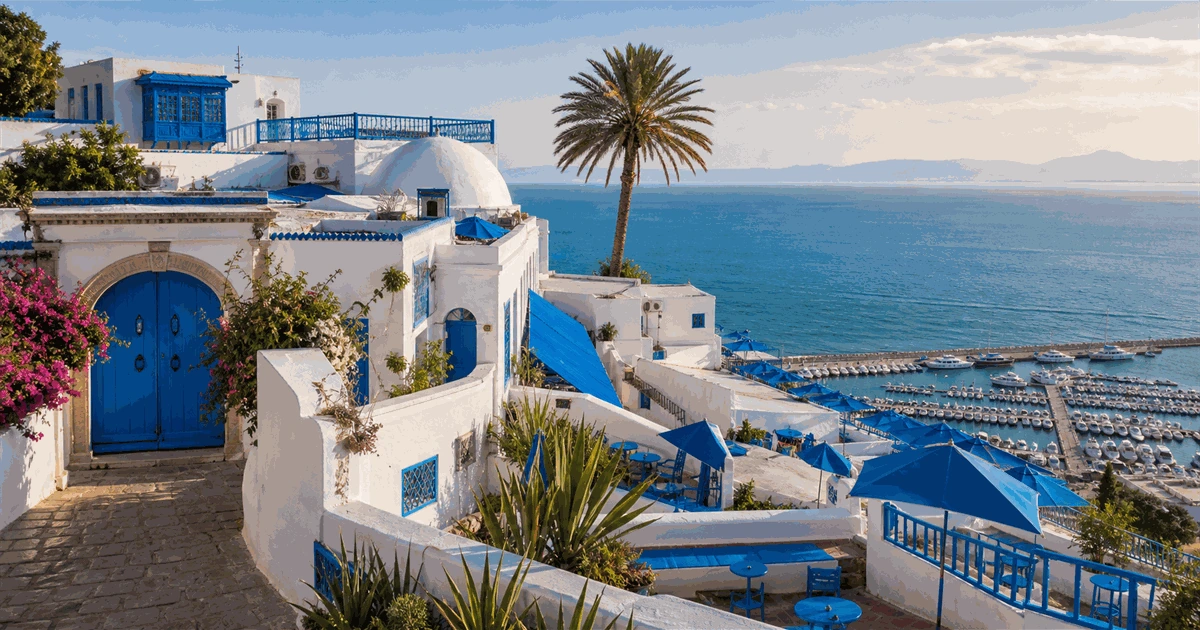

Tunisia
History
Phoenicians founded Carthage, which became a Mediterranean power.
Rome destroyed Carthage and made Africa a province.
Kairouan was founded and became an early centre of Islam in the Maghreb.
France imposed a protectorate.
Independence came on 20 March under Habib Bourguiba.
The uprising that began the Arab Spring ended Ben Ali's rule.
 Part ofAfricaMore countries, cities and routes.
Short facts
RegionNorth Africa / Maghreb
LanguageArabic
Time zoneCET (UTC+1)
Drives onRight
Worth seeing
- Carthage: Punic and Roman remains above the Gulf of Tunis, a UNESCO site.
- El Jem: A Roman amphitheatre that held some 35,000 spectators.
- Medina of Tunis: Souks and madrasas around the Zitouna mosque, a UNESCO site.
Find a city in Tunisia
Showing all cities
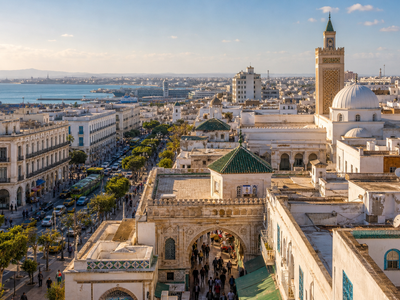 Tunis
TunisPlanning questions
What is Tunisia known for?Carthage, El Jem, Medina of Tunis.
What is the capital?Tunis.
Which language is useful?Arabic.
When is the national day?20 March.
How should I browse it here?Start with the facts, jump to linked cities, then check events and topics.
Upcoming events
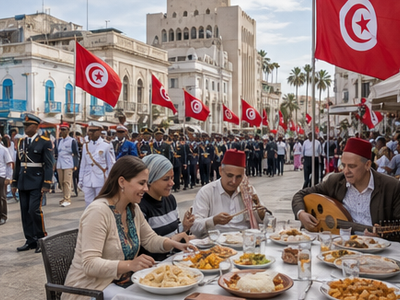 Tunisia National Day20 March 2027 — Across Tunisia — Tunisia
Use Tunis as the first planning anchor for Tunisia, then compare the city, food and worth-seeing notes on this page.
Food & drink
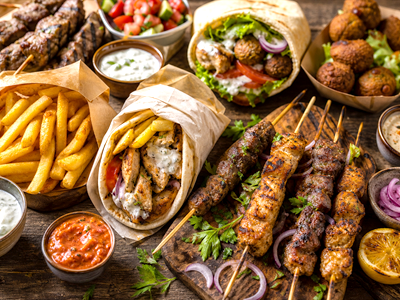 Street food
 Coffee
Known for
CarthageEl JemMedina of TunisTunisStreet foodCoffee
 Music & Culture