Forecast
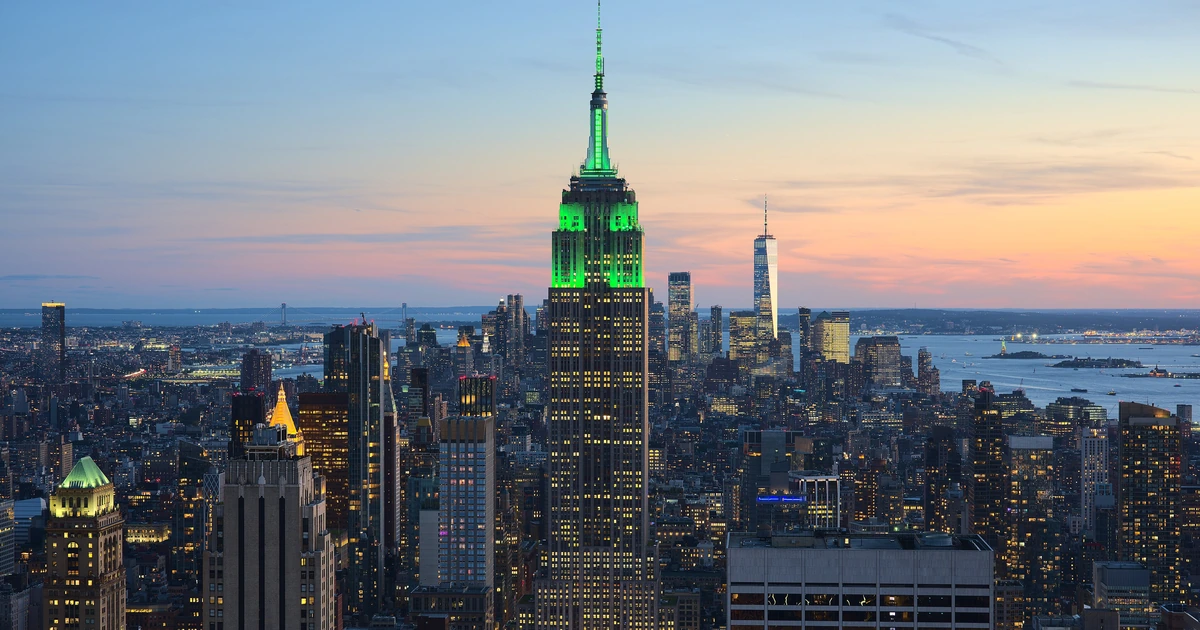
New York City
Local time--:--
America/New_YorkWeather Forecast
New York City, USAOpen-Meteo forecast.
New York City city overview
tba
Worth seeing
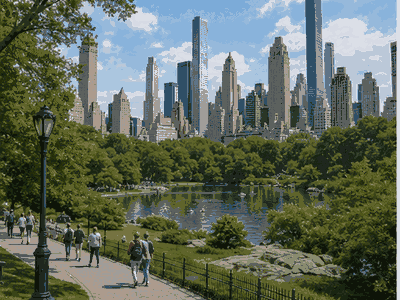
Central Park
Central Park adds outdoor time to a New York City stay, with open space, views or waterfront breathing room between denser city sights.
View on map
Times Square
Times Square is a clear heritage marker in New York City, best used as a fixed point when grouping nearby streets, monuments and viewpoints.
View on map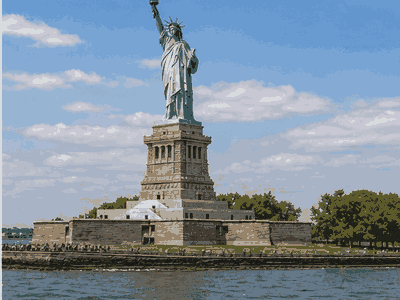
Metropolitan Museum of Art
Metropolitan Museum of Art is a key New York City culture stop, useful for understanding local history, collections and rainy-day planning near the main sightseeing route.
View on map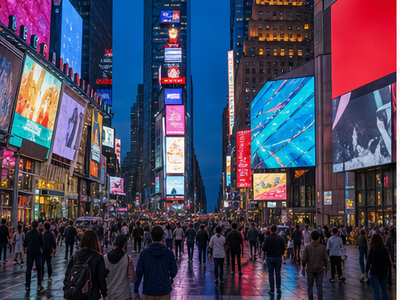
Statue of Liberty
Statue of Liberty is a named stop in New York City worth keeping on the route when it fits the day's transport, timing and neighborhood plan.
View on map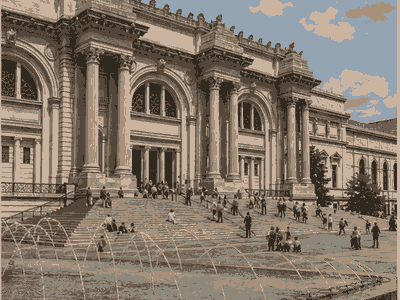
Brooklyn Bridge
Brooklyn Bridge is a clear heritage marker in New York City, best used as a fixed point when grouping nearby streets, monuments and viewpoints.
View on map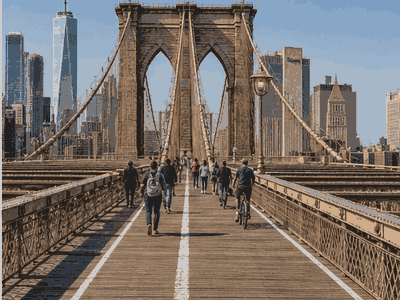
High Line
High Line is a named stop in New York City worth keeping on the route when it fits the day's transport, timing and neighborhood plan.
View on mapStay overview
Start with City centre for the easiest first New York City stay, then compare Old Town and Waterfront when price, nightlife, quieter evenings or transfer timing matter more than being beside every major sight.
Hotels & areas
New York City hotel choice is mostly about repeat journeys: use City centre for sightseeing, Old Town for a different local base, and Waterfront or Airport area when views, parking, airport timing or longer stays matter.
City centre
City centre is the most practical first base in New York City, keeping main sights, restaurants and short local transfers close.
Best for: first visits, sightseeing, restaurantsSee hotel optionsOld Town
Old Town is the most practical first base in New York City, keeping main sights, restaurants and short local transfers close.
Best for: first visits, sightseeing, restaurantsSee hotel optionsWaterfront
Waterfront suits travellers who want views, evening walks and a calmer base while still keeping central New York City reachable.
Best for: views, quieter evenings, walksSee hotel optionsAirport area
Airport area works mainly for early departures, late arrivals or car pickup, not for a first New York City sightseeing base.
Best for: early flights, late arrivals, car pickupSee hotel optionsFlights & airports
LaGuardia Airport (LGA) arrival plan
- LaGuardia Airport (LGA)About 13 km from the centre
Compare airport access against hotel location, arrival time, rental car pickup, late flights and onward driving before choosing the first night base.
- Newark Liberty International Airport (EWR)About 14 km from the centre
Compare airport access against hotel location, arrival time, rental car pickup, late flights and onward driving before choosing the first night base.
- John F. Kennedy International Airport (JFK)About 21 km from the centre
To the centre: AirTrain JFK to Jamaica (LIRR/subway E) or Howard Beach (subway A); pay with OMNY or MetroCard when leaving the airport, about 50 min (AirTrain fee + subway/LIRR fare).
Rental cars
New York City day-trip car use
Do not rent a car for central New York City unless parking and traffic are part of the plan; use one mainly for regional day trips.
Compare rental carsTravel tips
Best base
Choose City centre for a first stay because it keeps main sights, restaurants and practical local movement close.
Airport timing
Leave extra time for New York JFK, especially for early flights, late arrivals, traffic or unfamiliar transfer routes.
Local movement
Plan each day in clusters around New York City and New York City so transfers do not consume the best sightseeing hours.
Day trips
Keep one flexible slot for nearby routes from New York City, checking weather, transport and opening hours before committing.
Nearby ideas
Heritage · about 50 min · Metro-North Hudson line from Grand Central to Tarrytown
Kykuit, the Rockefeller Estate
The Rockefeller house above the Hudson, with a sculpture garden of Picasso and Calder; tours run spring to autumn.
View on mapBeach · about 1 h · LIRR from Penn Station to Freeport, then the beach shuttle
Jones Beach State Park
Six miles of Atlantic sand with a boardwalk and an art deco bathhouse, busiest on summer weekends.
View on mapPark · about 25 min · PATH to Exchange Place, then light rail
Liberty State Park
The best free view back at Lower Manhattan, plus the restored Central Railroad terminal immigrants passed through.
View on mapPark · about 1 h 15 min · car or coach north on the Palisades Parkway
Storm King Art Center
Five hundred acres of landscape holding monumental sculpture; hire a bike to cover it in a day.
View on mapUpcoming events
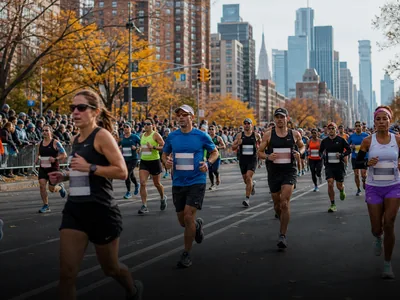
New York City Marathon
1 November 2026 — New York — United States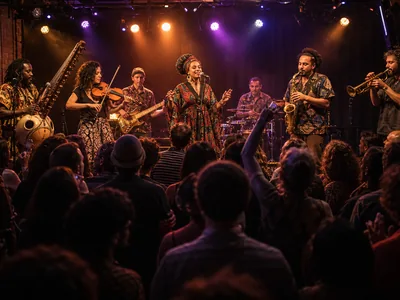
globalFEST New York
11 January 2027 — New York — United States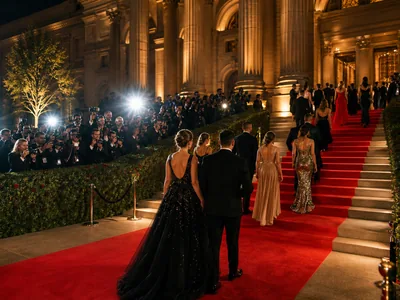
Met Gala
3 May 2027 — New York — United States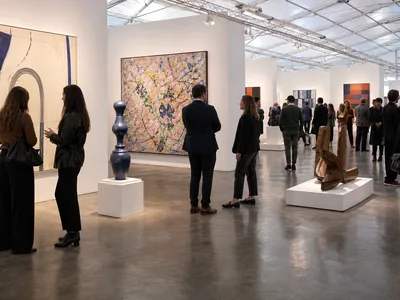
Frieze New York
12 May 2027 – 16 May 2027 — New York — United States
Tribeca Festival
3 June 2027 – 14 June 2027 — New York — United States
Tony Awards
13 June 2027 — New York — United States
United States Independence Day
4 July 2027 — Across USA — United States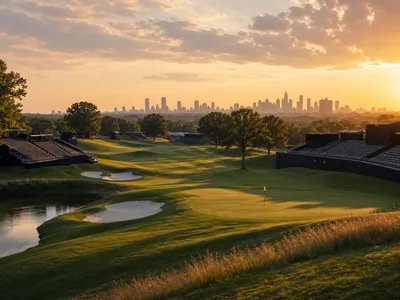
LIV Golf New York
6 August 2027–9 August 2027 — Bedminster — United StatesCity history
Shortly after the British occupation began, the Great Fire of New York destroyed nearly 500 buildings, about a quarter of the structures in the city, including Trinity Church. Post-revolutionary period and early 19th century.
A Spanish expedition, led by the Portuguese captain Estêvão Gomes sailing for Emperor Charles V, arrived in New York Harbor in January 1525 and charted the mouth of the Hudson River, which he named.
The first non–Native American inhabitant of what became New York City was Juan Rodriguez, a merchant from Santo Domingo who arrived in Manhattan during the winter of 1613–14, trapping for pelts and trading with.
By the authority of a charter granted by the Dutch States General in June 1621, the Dutch West India Company established an exclusive monopoly over colonization and commerce in New Netherland.
In 1625, construction was started on a citadel and Fort Amsterdam, later called Nieuw Amsterdam (New Amsterdam), on present-day Manhattan Island.
The colony of New Amsterdam extended from the southern tip of Manhattan to modern-day Wall Street, where a 12-foot (3.7 m) wooden stockade was built in 1653 to protect against Native American and English.
It became a center of slavery, with 42% of households enslaving Africans by 1730.
In 1754, Columbia University was founded. American Revolution The Stamp Act Congress met in New York in October 1765, as the Sons of Liberty organization emerged in the city and there were skirmishes over.
When the British forces evacuated New York at the close of the war in 1783, they transported thousands of freedmen for resettlement in Nova Scotia, England, and the Caribbean.
At the end of 1790, the capital of the United States was moved to Philadelphia, where it remained while Washington, D.C. was being constructed.
In the early 18th century, New York grew in importance as a trading port within the surrounding colony.
The settlement was promptly renamed "New York" after the Duke of York (the future King James II and VII).
Local politics became dominated by Tammany Hall, a political machine supported by Irish and German immigrants.
Returning World War II veterans created a post-war economic boom and the development of large housing tracts in eastern Queens and Nassau County, with Wall Street leading America's place as the world's dominant economic.