Forecast
Miami
Local time--:--
America/New_YorkWeather Forecast
Miami, USAOpen-Meteo forecast.
Miami city overview
tba
Worth seeing
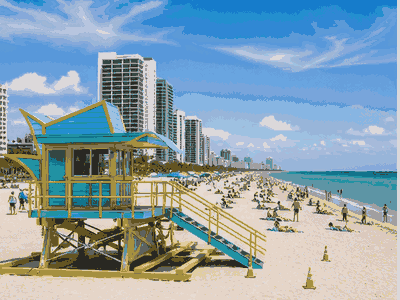
South Beach
South Beach adds outdoor time to a Miami stay, with open space, views or waterfront breathing room between denser city sights.
View on map
Wynwood Walls
Wynwood Walls is a named stop in Miami worth keeping on the route when it fits the day's transport, timing and neighborhood plan.
View on map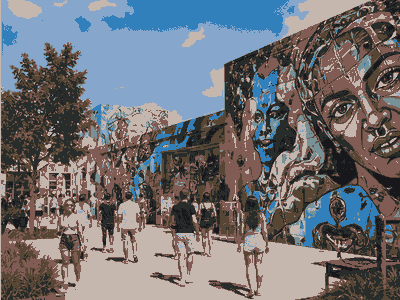
Little Havana
Little Havana is a named stop in Miami worth keeping on the route when it fits the day's transport, timing and neighborhood plan.
View on map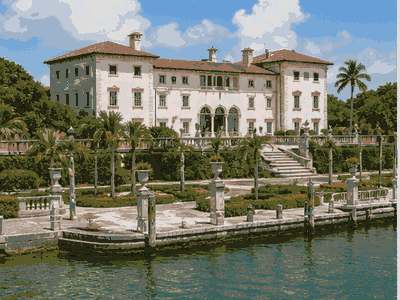
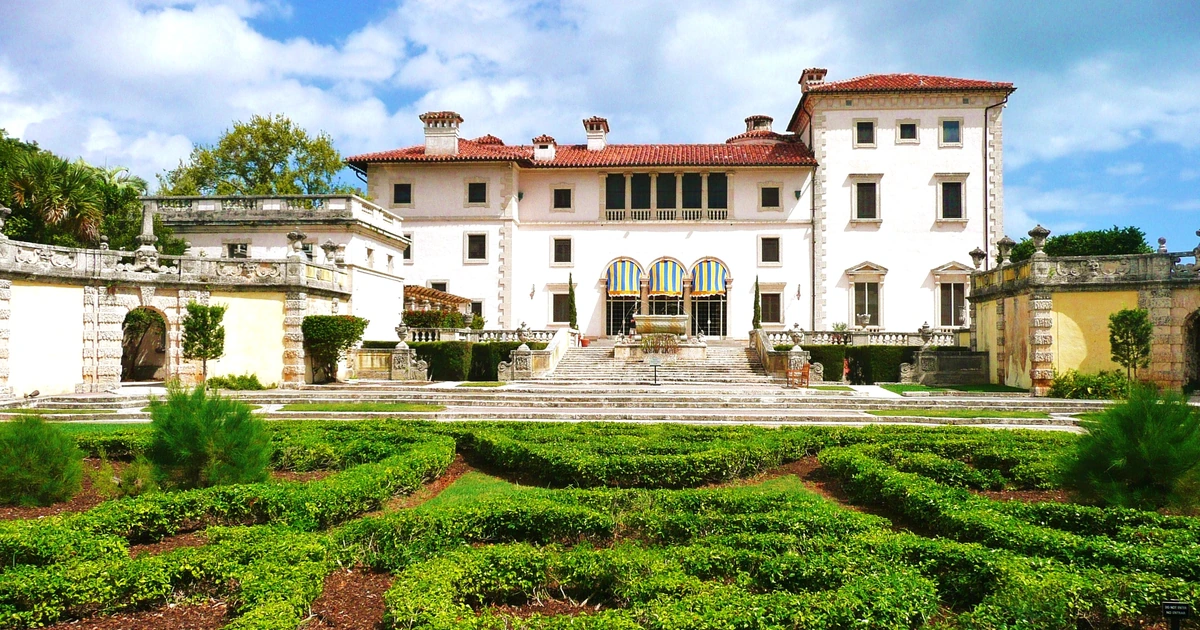
Vizcaya Museum and Gardens
Vizcaya Museum and Gardens is a key Miami culture stop, useful for understanding local history, collections and rainy-day planning near the main sightseeing route.
View on map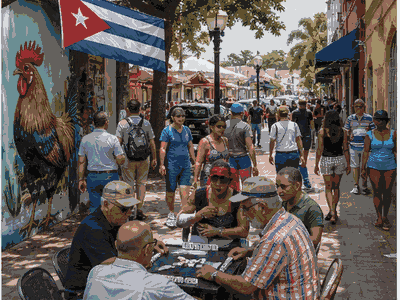
Bayside Marketplace
Bayside Marketplace gives Miami a concrete street-life stop, with food, everyday shopping and local movement that helps visitors read the city.
View on map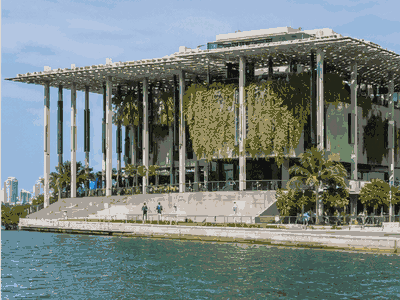
Pérez Art Museum Miami
Pérez Art Museum Miami is a key Miami culture stop, useful for understanding local history, collections and rainy-day planning near the main sightseeing route.
View on mapStay overview
Start with City centre for the easiest first Miami stay, then compare Old Town and Waterfront when price, nightlife, quieter evenings or transfer timing matter more than being beside every major sight.
Hotels & areas
Miami hotel choice is mostly about repeat journeys: use City centre for sightseeing, Old Town for a different local base, and Waterfront or Airport area when views, parking, airport timing or longer stays matter.
City centre
City centre is the most practical first base in Miami, keeping main sights, restaurants and short local transfers close.
Best for: first visits, sightseeing, restaurantsSee hotel optionsOld Town
Old Town is the most practical first base in Miami, keeping main sights, restaurants and short local transfers close.
Best for: first visits, sightseeing, restaurantsSee hotel optionsWaterfront
Waterfront suits travellers who want views, evening walks and a calmer base while still keeping central Miami reachable.
Best for: views, quieter evenings, walksSee hotel optionsAirport area
Airport area works mainly for early departures, late arrivals or car pickup, not for a first Miami sightseeing base.
Best for: early flights, late arrivals, car pickupSee hotel optionsFlights & airports
Miami International Airport (MIA) arrival plan
- Miami International Airport (MIA)About 10 km from the centre
Compare airport access against hotel location, arrival time, rental car pickup, late flights and onward driving before choosing the first night base.
- Fort Lauderdale Hollywood International Airport (FLL)About 33 km from the centre
Compare airport access against hotel location, arrival time, rental car pickup, late flights and onward driving before choosing the first night base.
Public transport
- Metrorail, Metromover and busesMetrorail is an elevated train linking Downtown, Coconut Grove and South Miami; the Metromover is free and automated
Rental cars
Miami day-trip car use
Do not rent a car for central Miami unless parking and traffic are part of the plan; use one mainly for regional day trips.
Compare rental carsTravel tips
Best base
Choose City centre for a first stay because it keeps main sights, restaurants and practical local movement close.
Airport timing
Leave extra time for Miami International, especially for early flights, late arrivals, traffic or unfamiliar transfer routes.
Local movement
Plan each day in clusters around Miami and Miami so transfers do not consume the best sightseeing hours.
Day trips
Keep one flexible slot for nearby routes from Miami, checking weather, transport and opening hours before committing.
Nearby ideas
Nature · about 1 h · car south-west to the Shark Valley entrance
Everglades National Park
A fifteen-mile loop past alligators on foot, by bike or on the tram; dry season runs December to April.
View on mapIsland · about 1 h 15 min · car south on US-1 through the Keys
Key Largo and John Pennekamp
The first undersea park in the United States, with glass-bottom boats over the coral reef.
View on mapBeach · about 45 min · Brightline or Tri-Rail north
Fort Lauderdale
A beachfront promenade and the canal network you can tour by water taxi.
View on mapIsland · about 50 min · car south to Homestead
Biscayne National Park
Ninety-five per cent water: mangrove shore, shipwreck trail and reef snorkelling by boat.
View on mapUpcoming events
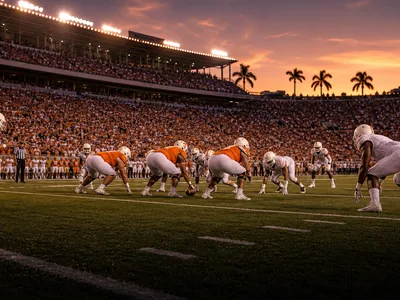
Orange Bowl
1 January 2027 — Miami — United States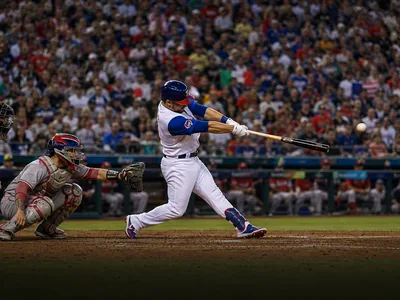
World Baseball Classic
5 March 2027–17 March 2027 — Miami — United States
Miami Open
19 March 2027–30 March 2027 — Miami — United States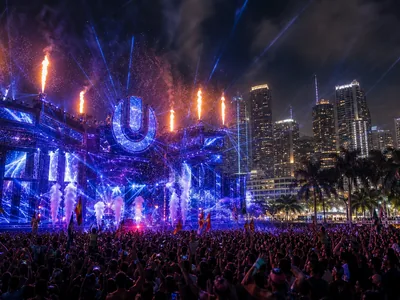
Ultra Music Festival
26–28 March 2027 — Miami — United States
United States Independence Day
4 July 2027 — Across USA — United StatesCity history
The Tequesta tribe occupied the Miami area for around 2,000 years before contact with Europeans.
In 1566, admiral Pedro Menéndez de Avilés, Florida's first governor, claimed the area for Spain.
Florida was ruled by Spain for centuries—aside from a brief British interlude (1763–1783) that ended with Britain losing the territory back to Spain—until Spain ceded it to the United States in 1821, in exchange.
In 1836, the U.S. built Fort Dallas on the banks of the Miami River as part of their development of the Florida Territory and their attempt to suppress and remove the Seminoles.
The Great Freeze of 1894–1895 hastened Miami's growth, as the crops there were the only ones in Florida that survived.
Miami was officially incorporated as a city on July 28, 1896, with a population of just over 300.
Scholars note that Bahamian immigrants formed a critical portion of Miami's construction and service workforce during the city's formative decades, contributing essential labor to roadbuilding, hotel construction, and other urban expansion projects (Shell-Weiss, 2005).
In the late 19th century, the area was known as "Biscayne Bay Country", and reports described it as a promising wilderness and "one of the finest building sites in Florida".
As a result, the Miami area became a site of fighting in the Second Seminole War.
Miami is noted as the only major city in the United States founded by a woman.
Julia Tuttle, a local citrus grower and a wealthy Cleveland native, was the original owner of the land upon which Miami was built.
Julia Tuttle subsequently convinced railroad tycoon Henry Flagler to extend his Florida East Coast Railway to the region, for which she became known as "the mother of Miami".
Miami's economy was heavily based on seasonal tourism and construction work, which created a volatile job market of low-wage, temporary employment and contributed to pronounced income inequality even as the city promoted itself as.
When World War II began, Miami became a base for U.S. defense against German submarines due to its prime location on the southern coast of Florida.