Forecast
Managua
Local time--:--
America/ManaguaWeather Forecast
Managua, NicaraguaOpen-Meteo forecast.
Managua city overview
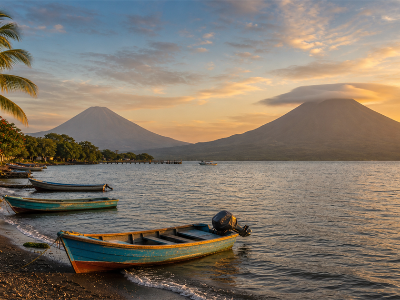
Managua works best as a base in Nicaragua when you anchor days around Puerto Salvador Allende, Old Cathedral of Managua and Tiscapa Lagoon. Use those sights to understand the city's history, street life and visitor rhythm. Augusto C. Sandino International Airport handles the main arrival flow, so hotel choice should balance the centre, transfer time and day-trip plans.
Worth seeing
Puerto Salvador Allende
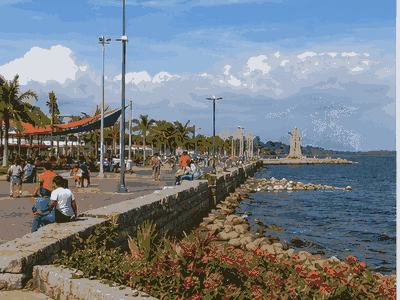
Puerto Salvador Allende is a named stop in Managua worth keeping on the route when it fits the day's transport, timing and neighborhood plan.
View on map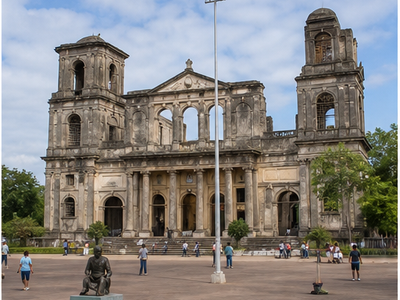
Old Cathedral of Managua
Old Cathedral of Managua anchors the historic and ceremonial side of Managua, making it a practical stop for architecture, local memory and orientation.
View on map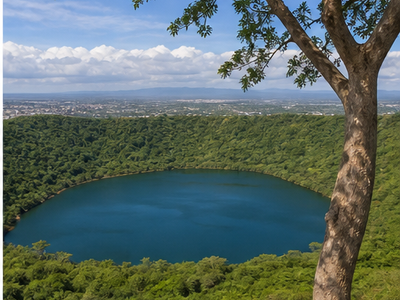
Tiscapa Lagoon
Tiscapa Lagoon is a named stop in Managua worth keeping on the route when it fits the day's transport, timing and neighborhood plan.
View on map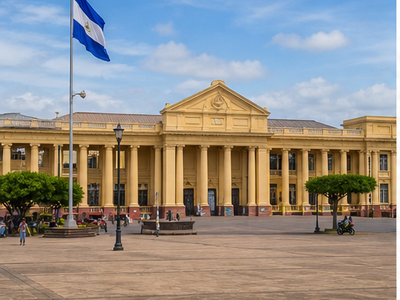
National Palace of Culture
National Palace of Culture anchors the historic and ceremonial side of Managua, making it a practical stop for architecture, local memory and orientation.
View on map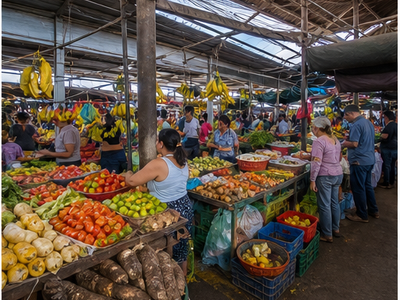
Roberto Huembes Market
Roberto Huembes Market gives Managua a concrete street-life stop, with food, everyday shopping and local movement that helps visitors read the city.
View on map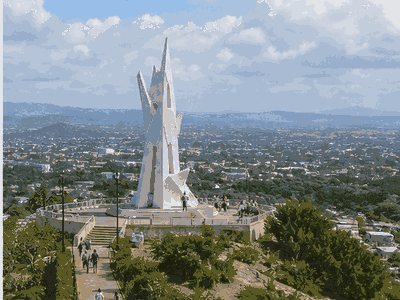
Loma de Tiscapa
Loma de Tiscapa is a named stop in Managua worth keeping on the route when it fits the day's transport, timing and neighborhood plan.
View on mapStay overview
Start with City centre for the easiest first Managua stay, then compare Old Town and Waterfront when price, nightlife, quieter evenings or transfer timing matter more than being beside every major sight.
Hotels & areas
Managua hotel choice is mostly about repeat journeys: use City centre for sightseeing, Old Town for a different local base, and Waterfront or Airport area when views, parking, airport timing or longer stays matter.
City centre
City centre is the most practical first base in Managua, keeping main sights, restaurants and short local transfers close.
Best for: first visits, sightseeing, restaurantsSee hotel optionsOld Town
Old Town is the most practical first base in Managua, keeping main sights, restaurants and short local transfers close.
Best for: first visits, sightseeing, restaurantsSee hotel optionsWaterfront
Waterfront suits travellers who want views, evening walks and a calmer base while still keeping central Managua reachable.
Best for: views, quieter evenings, walksSee hotel optionsAirport area
Airport area works mainly for early departures, late arrivals or car pickup, not for a first Managua sightseeing base.
Best for: early flights, late arrivals, car pickupSee hotel optionsFlights & airports
Augusto C. Sandino (Managua) International Airport (MGA) arrival plan
- Augusto C. Sandino (Managua) International Airport (MGA)About 9 km from the centre
Compare airport access against hotel location, arrival time, rental car pickup, late flights and onward driving before choosing the first night base.
Rental cars
Managua day-trip car use
Do not rent a car for central Managua unless parking and traffic are part of the plan; use one mainly for regional day trips.
Compare rental carsTravel tips
Best base
Choose City centre for a first stay because it keeps main sights, restaurants and practical local movement close.
Airport timing
Leave extra time for Augusto C. Sandino International Airport, especially for early flights, late arrivals, traffic or unfamiliar transfer routes.
Local movement
Plan each day in clusters around Puerto Salvador Allende and Old Cathedral of Managua so transfers do not consume the best sightseeing hours.
Day trips
Keep one flexible slot for nearby routes from Managua, checking weather, transport and opening hours before committing.
Upcoming events
No upcoming Managua events in the shared event index yet.
City history
Managua (and the entire area of Nicaragua) was inhabited by Paleo-Indians as far back as 12,000 BC.
More than 300,000 Nicaraguans returned from abroad bringing their expertise and needed capital.
Founded as a pre-Columbian fishing town, the city was incorporated in 1819 and given the name Leal Villa de Santiago de Managua.
Efforts to make Managua the capital of Nicaragua began in 1824, after the Central American nations formally attained their independence from Spain.
Hence, Managua was officially selected as the nation's capital in 1852.
The city was hampered by major floods in 1876 and 1885.
Today's references differentiate the pre-1970s Managua by labeling it as La Antigua Ciudad, which in English translates to "The Ancient City". 20th century A disastrous earthquake in 1931 destroyed much of the city, killing.
A large fire in 1936 also destroyed much of the city.
Managua's progress came to a sudden halt after it suffered a second major earthquake on December 23, 1972, which destroyed 90% of the city's downtown and killed more than 19,120 people.
The city's development caught the attention of Irving Fields and Albert Gamse, who composed a musical piece about the city that became popular in the 1940s through the performances of Freddy Martin, Guy Lombardo.
Businesses mushroomed, new housing projects and schools were constructed, the airport was expanded and modernized, streets were widened, older malls were repaired and new ones were built, and buildings were cleaned up. 21st century.
Escaping the city center, earthquake victims found refuge in the outskirts of the city.
In addition, corruption within the Somoza regime which allocated part of the relief funds hindered the reconstruction of the city's center which remains somewhat isolated from the rest of the capital.
New governmental buildings, galleries, museums, apartment buildings, squares, promenades, monuments, boat tours on Lake Managua, restaurants, nighttime entertainment, and broad avenues have resurrected part of downtown Managua's former vitality.