Nicaragua
History
Nicaragua became independent from New Spain, marking a key step in modern statehood.
Nicaragua became independent from the First Mexican Empire, marking a key step in modern statehood.
Nicaragua became independent from the Federal Republic of Central America, marking a key step in modern statehood.
Nicaragua's sovereignty gained formal recognition.
The Sandinistas overthrew the Somoza dictatorship.
The current constitution came into force, setting the basic framework for today's Nicaragua.
 Part ofNorth AmericaMore countries, cities and routes.
Short facts
RegionCentral America
LanguageSpanish
Time zoneCST (UTC-6)
Drives onRight
Worth seeing
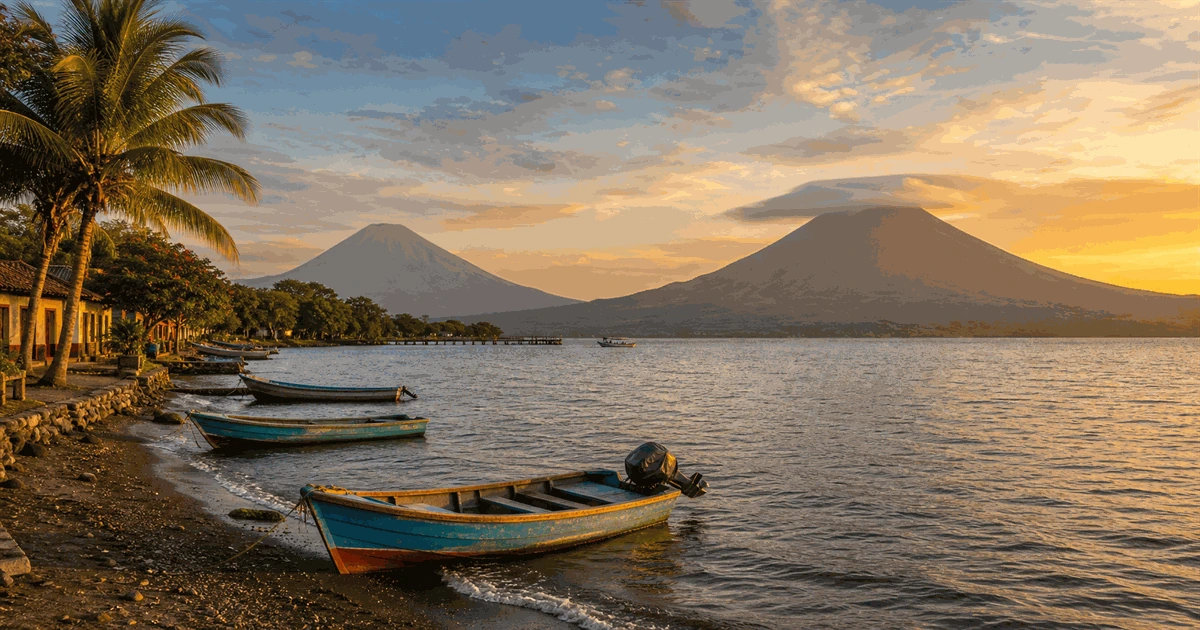
- Ometepe Island: A figure-eight island of two volcanoes rising from Lake Nicaragua.
- Granada Colonial City: The oldest continuously inhabited city in Central America, on the lake shore.
- Laguna de Apoyo: A perfect circular crater lake with warm clear water and a nature reserve.
Find a city in Nicaragua
Showing all cities
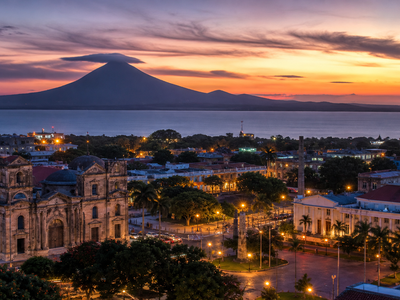 Managua
Planning questions
What is Nicaragua known for?Ometepe Island, Granada Colonial City, Laguna de Apoyo.
What is the capital?Managua.
Which language is useful?Spanish.
When is the national day?15 September.
How should I browse it here?Start with the facts, jump to linked cities, then check events and topics.
Upcoming events
Use Managua as the first planning anchor for Nicaragua, then compare the city, food and worth-seeing notes on this page.
Food & drink
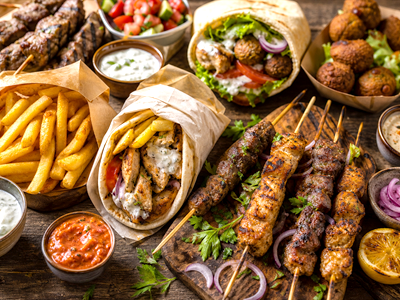 Street food
 Coffee
Known for
Ometepe IslandGranada Colonial CityLaguna de ApoyoManaguaStreet foodCoffee
 Music & Culture