Haiti
History
Haiti declared independence, a decisive step toward modern statehood.
Independence recognized marked a key step in Haiti's path toward modern sovereignty.
Dessalines declared independence and crowned himself emperor.
After Dessalines' death the south became a republic under Pétion.
The north split off under Henri Christophe.
A kingdom was proclaimed, placing monarchy at the centre of Haiti's state authority.
Unification of Hispaniola brought separate territories into one political framework.
Dissolution ended the previous political arrangement and changed Haiti's status.
 Part ofNorth AmericaMore countries, cities and routes.
Short facts
RegionCaribbean
LanguageFrench, Haitian Creole
Time zoneEST (UTC-5)
Drives onRight
Worth seeing
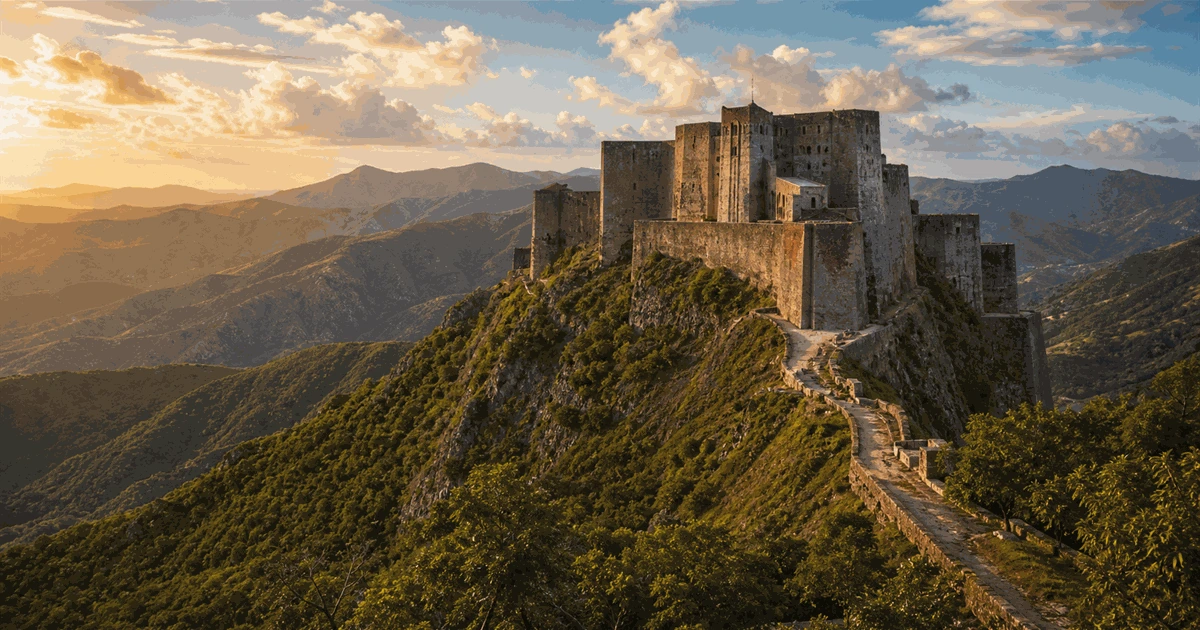
- Citadelle Laferriere: A UNESCO hilltop fortress - the largest in the Americas - built after independence.
- First Black Republic: The only nation born from a successful slave rebellion, in 1804.
- Jacmel: A colonial port city with Art Nouveau architecture and a vibrant carnival tradition.
Find a city in Haiti
Showing all cities
 Port-au-Prince
Planning questions
What is Haiti known for?Citadelle Laferriere, First Black Republic, Jacmel.
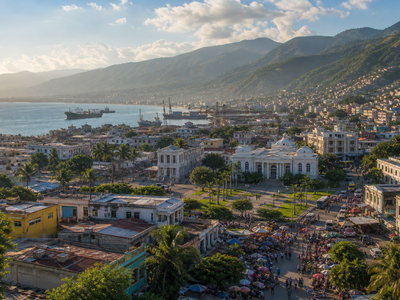
What is the capital?Port-au-Prince.
Which language is useful?French, Haitian Creole.
When is the national day?1 January.
How should I browse it here?Start with the facts, jump to linked cities, then check events and topics.
Upcoming events
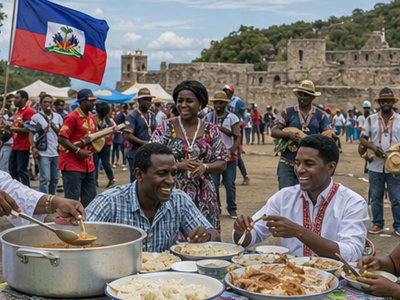 Haiti National Day1 January 2027 — Across Haiti — Haiti
Use Port-au-Prince as the first planning anchor for Haiti, then compare the city, food and worth-seeing notes on this page.
Food & drink
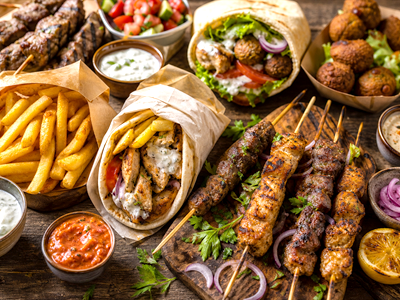 Street food
 Coffee
Known for
Citadelle LaferriereFirst Black RepublicJacmelPort-au-PrinceStreet foodCoffee
 Music & Culture