Forecast
Vancouver
Local time--:--
America/VancouverWeather Forecast
Vancouver, CanadaOpen-Meteo forecast.
Vancouver city overview
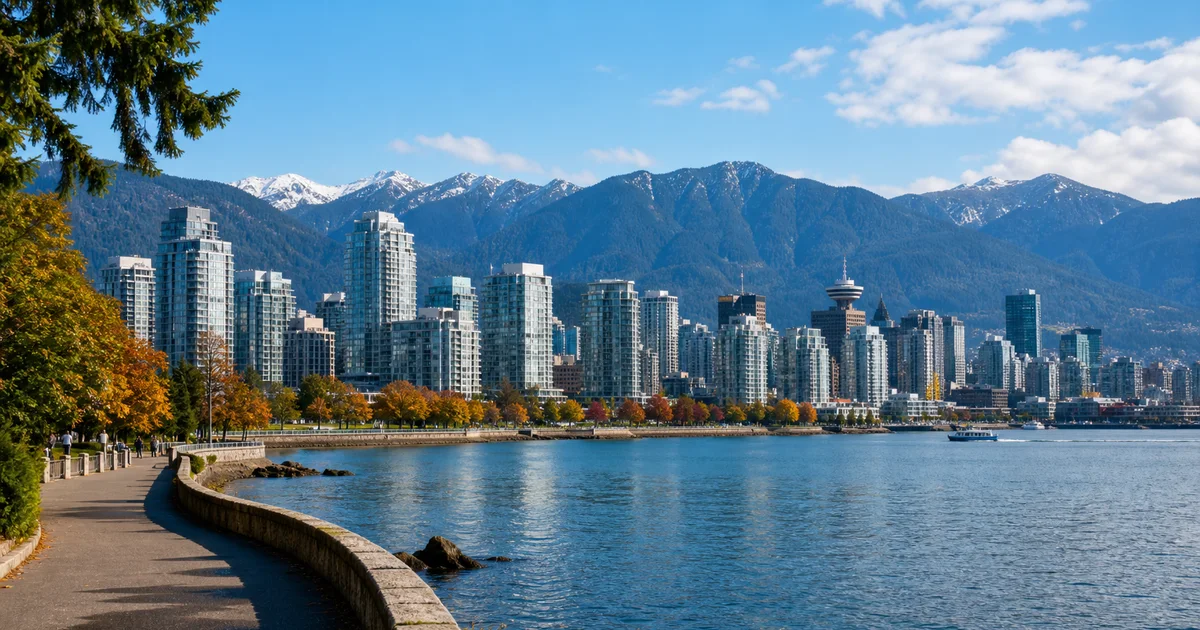
Vancouver works best as a base in Canada when you anchor days around Stanley Park, Granville Island and Canada Place. Use those sights to understand the city's history, street life and visitor rhythm. Vancouver International handles the main arrival flow, so hotel choice should balance the centre, transfer time and day-trip plans.
Worth seeing
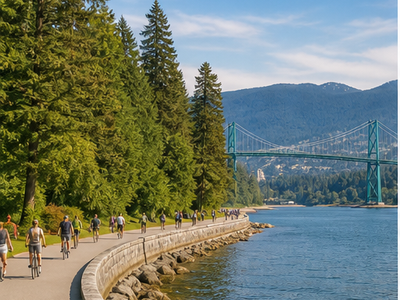
Stanley Park
Stanley Park adds outdoor time to a Vancouver stay, with open space, views or waterfront breathing room between denser city sights.
View on map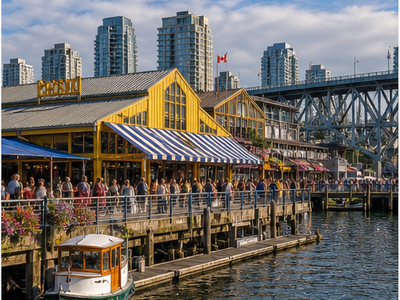
Granville Island
Granville Island adds the water-facing side of Vancouver, making it a good break from museums, traffic and dense historic streets.
View on map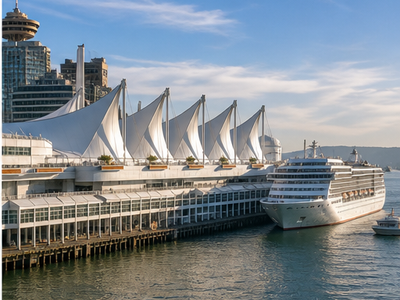
Canada Place
Canada Place is a named stop in Vancouver worth keeping on the route when it fits the day's transport, timing and neighborhood plan.
View on map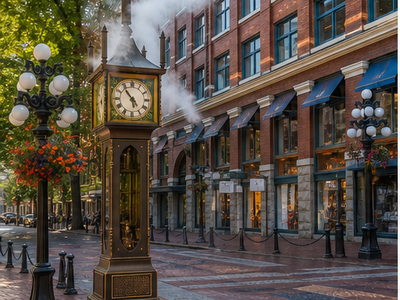
Gastown
Gastown is a named stop in Vancouver worth keeping on the route when it fits the day's transport, timing and neighborhood plan.
View on map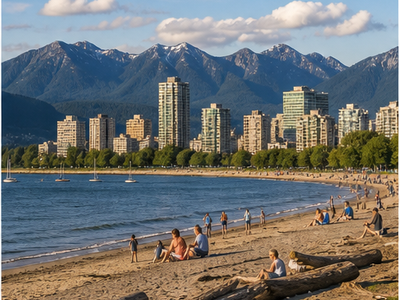
Kitsilano Beach
Kitsilano Beach adds outdoor time to a Vancouver stay, with open space, views or waterfront breathing room between denser city sights.
View on map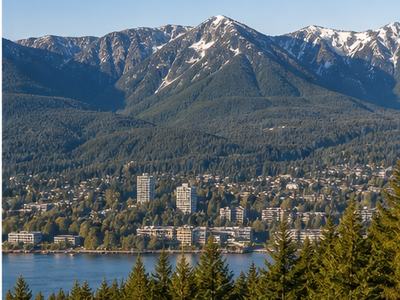
North Shore mountains
North Shore mountains adds outdoor time to a Vancouver stay, with open space, views or waterfront breathing room between denser city sights.
View on mapStay overview
Start with City centre for the easiest first Vancouver stay, then compare Old Town and Waterfront when price, nightlife, quieter evenings or transfer timing matter more than being beside every major sight.
Hotels & areas
Vancouver hotel choice is mostly about repeat journeys: use City centre for sightseeing, Old Town for a different local base, and Waterfront or Airport area when views, parking, airport timing or longer stays matter.
City centre
City centre is the most practical first base in Vancouver, keeping main sights, restaurants and short local transfers close.
Best for: first visits, sightseeing, restaurantsSee hotel optionsOld Town
Old Town is the most practical first base in Vancouver, keeping main sights, restaurants and short local transfers close.
Best for: first visits, sightseeing, restaurantsSee hotel optionsWaterfront
Waterfront suits travellers who want views, evening walks and a calmer base while still keeping central Vancouver reachable.
Best for: views, quieter evenings, walksSee hotel optionsAirport area
Airport area works mainly for early departures, late arrivals or car pickup, not for a first Vancouver sightseeing base.
Best for: early flights, late arrivals, car pickupSee hotel optionsFlights & airports
Vancouver International Airport (YVR) arrival plan
- Vancouver International Airport (YVR)About 8 km from the centre
Compare airport access against hotel location, arrival time, rental car pickup, late flights and onward driving before choosing the first night base.
- Victoria International Airport (YYJ)About 71 km from the centre
Compare airport access against hotel location, arrival time, rental car pickup, late flights and onward driving before choosing the first night base.
- Nanaimo Airport (YCD)About 59 km from the centre
Compare airport access against hotel location, arrival time, rental car pickup, late flights and onward driving before choosing the first night base.
Rental cars
Vancouver day-trip car use
Do not rent a car for central Vancouver unless parking and traffic are part of the plan; use one mainly for regional day trips.
Compare rental carsTravel tips
Best base
Choose City centre for a first stay because it keeps main sights, restaurants and practical local movement close.
Airport timing
Leave extra time for Vancouver International, especially for early flights, late arrivals, traffic or unfamiliar transfer routes.
Local movement
Plan each day in clusters around Stanley Park and Granville Island so transfers do not consume the best sightseeing hours.
Day trips
Keep one flexible slot for nearby routes from Vancouver, checking weather, transport and opening hours before committing.
Nearby ideas
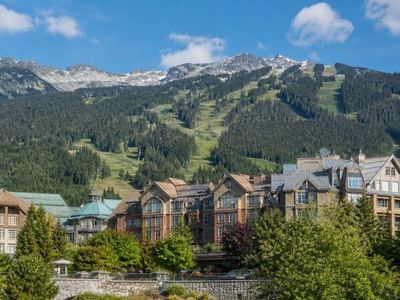
Mountain · about 1 h 15 min · car or coach north on the Sea to Sky Highway
Whistler
Two linked mountains joined by the Peak 2 Peak gondola, skiing in winter and bike park in summer.
View on mapIsland · about 50 min · ferry from Horseshoe Bay
Bowen Island
A twenty-minute crossing to Snug Cove, with Killarney Lake trails and a village pub.
View on mapMountain · about 1 h · car north on Highway 99
Squamish and the Stawamus Chief
A 700-metre granite monolith with chain-assisted trails, and the Sea to Sky Gondola beside it.
View on mapTown · about 45 min · Canada Line to Richmond-Brighouse, then bus 401
Steveston
A working fishing harbour where boats sell their catch off the dock, with a preserved salmon cannery.
View on mapCity history
Europeans became acquainted with the area of the future Vancouver when José María Narváez of Spain explored the coast of present-day Point Grey and parts of Burrard Inlet in 1791—although one author contends that.
Vancouver is among British Columbia's youngest cities; the first European settlement in what is now Vancouver was not until 1862 at McCleery's Farm on the Fraser River, just east of the ancient village of.
A sawmill was established at Moodyville (now the City of North Vancouver) in 1863, beginning the city's long relationship with logging.
The settlement, which came to be called Gastown, proliferated around the original makeshift tavern established by Gassy Jack in 1867 on the edge of the Hastings Mill property.
In 1870, the colonial government surveyed the settlement and laid out a townsite, renamed "Granville" in honour of the then–British Secretary of State for the Colonies, Lord Granville.
A railway was among the inducements for British Columbia to join the Confederation in 1871, but the Pacific Scandal and arguments over the use of Chinese labour delayed construction until the 1880s. Incorporation The.
This site, with its natural harbour, was selected in 1884 as the terminus for the Canadian Pacific Railway, to the disappointment of Port Moody, New Westminster and Victoria, all of which had vied to.
The Great Vancouver Fire on June 13, 1886, razed the entire city.
While some manufacturing did develop, including the establishment of the British Columbia Sugar Refinery by Benjamin Tingley Rogers in 1890, natural resources became the basis for Vancouver's economy.
One of those merchants, Charles Woodward, had opened the first Woodward's store at Abbott and Cordova Streets in 1892 and, along with Spencer's and the Hudson's Bay department stores, formed the core of the.
The first major sympathy strike was in 1903 when railway employees struck against the CPR for union recognition.
Alcohol prohibition began in the First World War and lasted until 1921 when the provincial government established control over alcohol sales, a practice still in place today.
The resource sector was initially based on logging and later on exports moving through the seaport, where commercial traffic constituted the largest economic sector in Vancouver by the 1930s. 20th century The dominance of.
The Vancouver Fire Department was established that year and the city quickly rebuilt.