Forecast
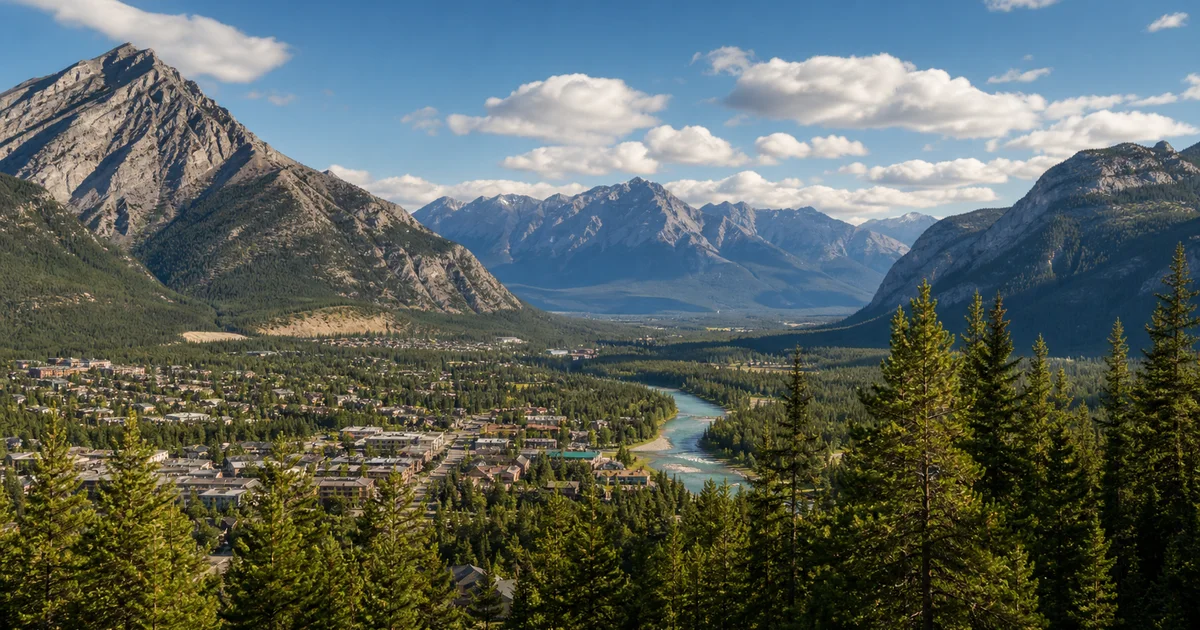
Banff
Local time--:--
America/EdmontonWeather Forecast
Banff, CanadaOpen-Meteo forecast.
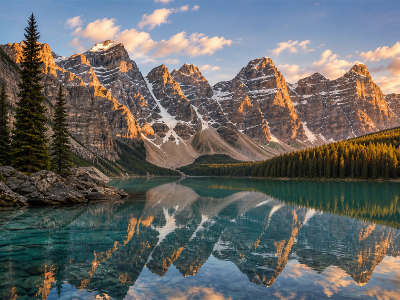
Banff city overview
Banff works best as a base in Canada when you anchor days around Banff Avenue, Sulphur Mountain and Bow Falls. Use those sights to understand the city's history, street life and visitor rhythm. Banff International Airport handles the main arrival flow, so hotel choice should balance the centre, transfer time and day-trip plans.
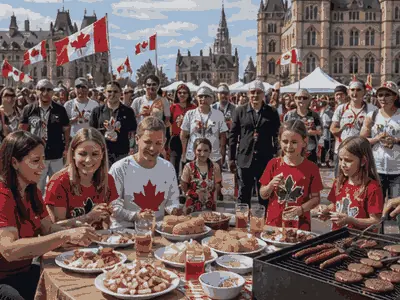
Worth seeing
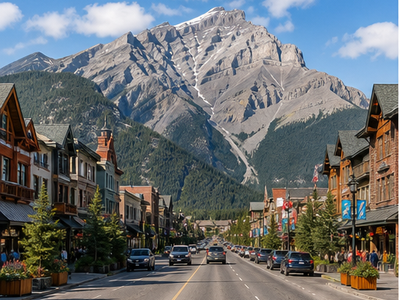
Banff Avenue
Banff Avenue is a named stop in Banff worth keeping on the route when it fits the day's transport, timing and neighborhood plan.
View on map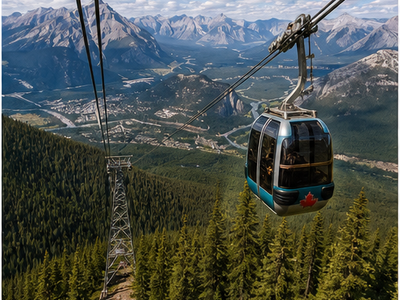
Sulphur Mountain
Sulphur Mountain adds outdoor time to a Banff stay, with open space, views or waterfront breathing room between denser city sights.
View on map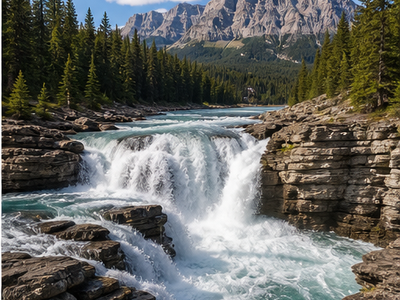
Bow Falls
Bow Falls gives Banff a greener or more scenic stop, useful when the route needs views, shade, walking space or a slower hour.
View on map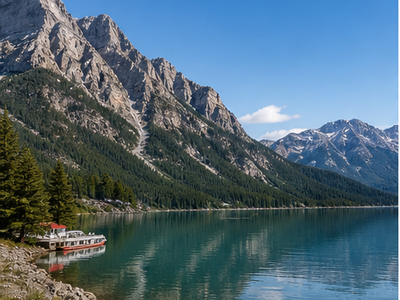
Lake Minnewanka
Lake Minnewanka adds outdoor time to a Banff stay, with open space, views or waterfront breathing room between denser city sights.
View on map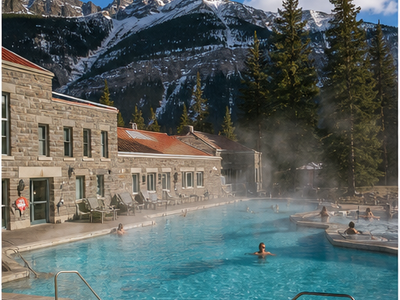
Banff Upper Hot Springs
Banff Upper Hot Springs is a named stop in Banff worth keeping on the route when it fits the day's transport, timing and neighborhood plan.
View on map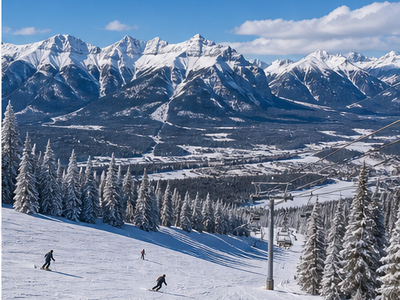
Ski season
Ski season is a named stop in Banff worth keeping on the route when it fits the day's transport, timing and neighborhood plan.
View on mapStay overview
Start with City centre for the easiest first Banff stay, then compare Old Town and Waterfront when price, nightlife, quieter evenings or transfer timing matter more than being beside every major sight.
Hotels & areas
Banff hotel choice is mostly about repeat journeys: use City centre for sightseeing, Old Town for a different local base, and Waterfront or Airport area when views, parking, airport timing or longer stays matter.
City centre
City centre is the most practical first base in Banff, keeping main sights, restaurants and short local transfers close.
Best for: first visits, sightseeing, restaurantsSee hotel optionsOld Town
Old Town is the most practical first base in Banff, keeping main sights, restaurants and short local transfers close.
Best for: first visits, sightseeing, restaurantsSee hotel optionsWaterfront
Waterfront suits travellers who want views, evening walks and a calmer base while still keeping central Banff reachable.
Best for: views, quieter evenings, walksSee hotel optionsAirport area
Airport area works mainly for early departures, late arrivals or car pickup, not for a first Banff sightseeing base.
Best for: early flights, late arrivals, car pickupSee hotel optionsFlights & airports
Calgary International Airport (YYC) arrival plan
- Calgary International Airport (YYC)About 109 km from the centre
Compare airport access against hotel location, arrival time, rental car pickup, late flights and onward driving before choosing the first night base.
Rental cars
Banff day-trip car use
Do not rent a car for central Banff unless parking and traffic are part of the plan; use one mainly for regional day trips.
Compare rental carsTravel tips
Best base
Choose City centre for a first stay because it keeps main sights, restaurants and practical local movement close.
Airport timing
Leave extra time for Banff International Airport, especially for early flights, late arrivals, traffic or unfamiliar transfer routes.
Local movement
Plan each day in clusters around Banff Avenue and Sulphur Mountain so transfers do not consume the best sightseeing hours.
Day trips
Keep one flexible slot for nearby routes from Banff, checking weather, transport and opening hours before committing.
Nearby ideas
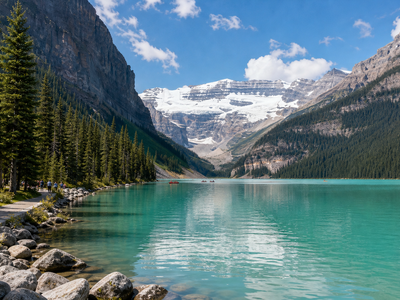
Mountain · about 45 min · Roam Transit route 8X from Banff
Lake Louise
A glacier-fed lake under Victoria Glacier, with canoes in summer and a skating rink in winter.
View on mapNature · about 30 min · Roam Transit route 9 west on the Bow Valley Parkway
Johnston Canyon
Catwalks bolted to the canyon wall lead to two waterfalls that freeze into ice climbs in winter.
View on mapNature · about 1 h · car west on the Trans-Canada into British Columbia
Yoho National Park
Takakkaw Falls drops 254 metres; the Burgess Shale fossil beds above are guided-hike only.
View on mapUpcoming events
City history
The site of Banff has been continually inhabited by First Nations for at least 10,000 years.
In 1883, three Canadian Pacific Railway workers stumbled upon a series of natural hot springs on the side of Sulphur Mountain.
In 1885, Canada established a federal reserve of 26 km2 (10 sq mi) around the Cave and Basin hot springs and began promoting the area as an international resort and spa as a way.
In 1887, the reserve area was increased to 673 km2 (260 sq mi) and named "Rocky Mountain Park".
An internment camp was set up at Banff and Castle Mountain in Dominion Park from July 1915 to July 1917, mostly imprisoning Ukrainian immigrants.
In 1976, the International Astronomical Union's Working Group for Planetary System Nomenclature (IAU/WGPSN) adopted the name Banff for a crater on Mars, after the town in Alberta.
In 1985, the United Nations declared Banff National Park, as one of the Canadian Rocky Mountain Parks, a UNESCO world heritage site.
It was administered by the Government of Canada's national parks system until 1990 when the Town of Banff became the only incorporated municipality within a Canadian national park.
In 1991, Banff hosted the 1991 Winter Deaflympics, the first and only year that the Deaflympics was hosted in Canada.
Services, such as St George-in-the-Pines church, were constructed through the late 19th century.
The town of Banff was first established in the 1880s after the transcontinental railway was built through the Bow Valley.
The town's location was the site of an Interior Salishan settlement, which was both a wintering village and a trading post.
The Banff townsite was developed near the railway station as a service centre for tourists visiting the park.
He published the Crag and Canyon newspaper, built the King Edward Hotel and the Lux Theatre, and founded the Sign of the Goat Curio Shop, which led to the development of the Luxton Museum.