
Slovenia
History
Slovenia joined the short-lived State of Slovenes, Croats and Serbs.
The Kingdom of Serbs, Croats and Slovenes emerged, giving the area a defined monarchical state structure.
Slovene National Liberation Committee restored control after occupation.
Slovenia became a constituent republic of socialist Yugoslavia.
Slovenia became independent from Yugoslavia, marking a key step in modern statehood.
Brioni Agreement signed set new terms for sovereignty or administration.
The current constitution came into force, setting the basic framework for today's Slovenia.
 Part ofEuropeMore countries, cities and routes.
Short facts
RegionCentral Europe
LanguageSlovene
Time zoneCET (UTC+1)
Drives onRight
Worth seeing
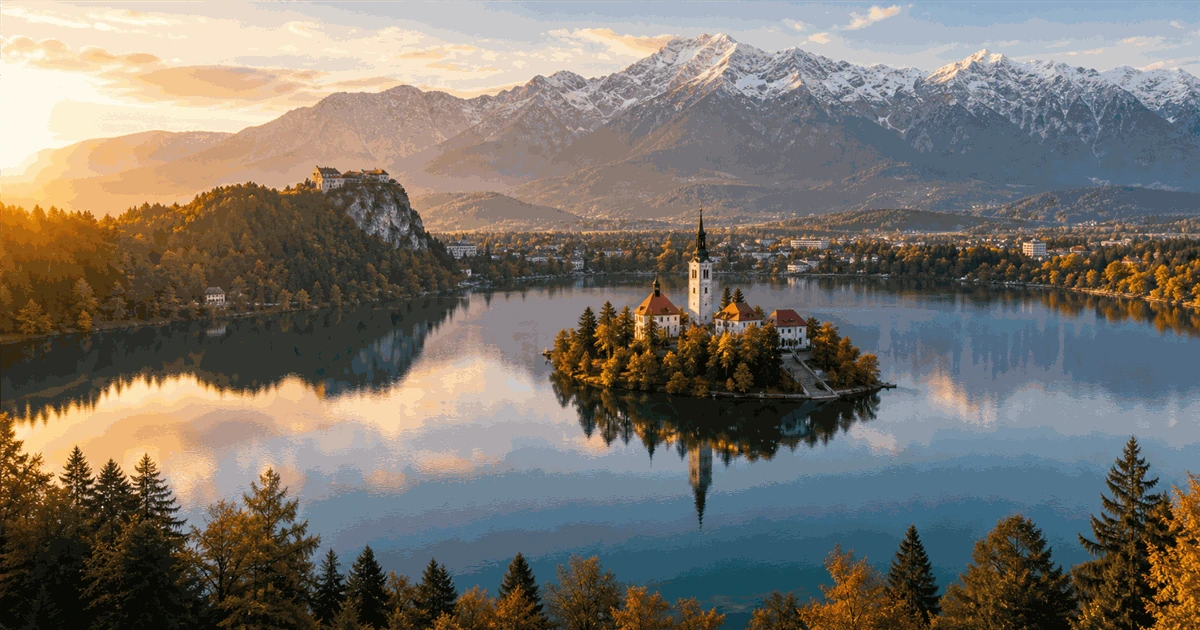
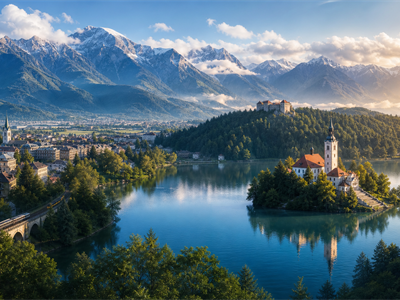
- Lake Bled: An emerald lake with a church-topped island and a clifftop castle — a postcard image.
- Triglav National Park: Slovenia's only national park covers almost 4% of the country.
- Postojna Cave: A 24 km cave system with a narrow-gauge train, one of Europe's largest.
Find a city in Slovenia
Showing all cities
 Ljubljana
Planning questions
What is Slovenia known for?Lake Bled, Triglav National Park, Postojna Cave.
What is the capital?Ljubljana.
Which language is useful?Slovene.
When is the national day?25 June.
Upcoming events
 Slovenia Statehood Day25 June 2027 — Across Slovenia — Slovenia
Use Ljubljana as the first planning anchor for Slovenia, then compare the city, food and worth-seeing notes on this page.
Food & drink
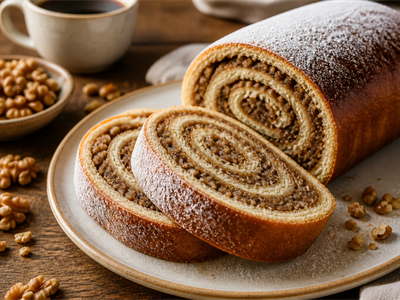 Potica
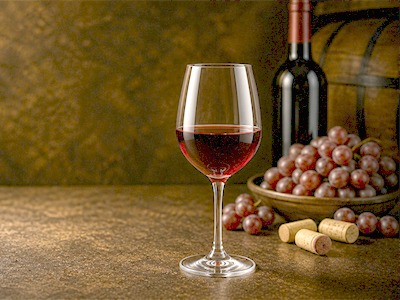 Wine
WineKnown for
Lake BledAn emerald lakeTriglav National ParkPostojna CaveA 24 km cave systema narrow-gauge train
 Nature & places