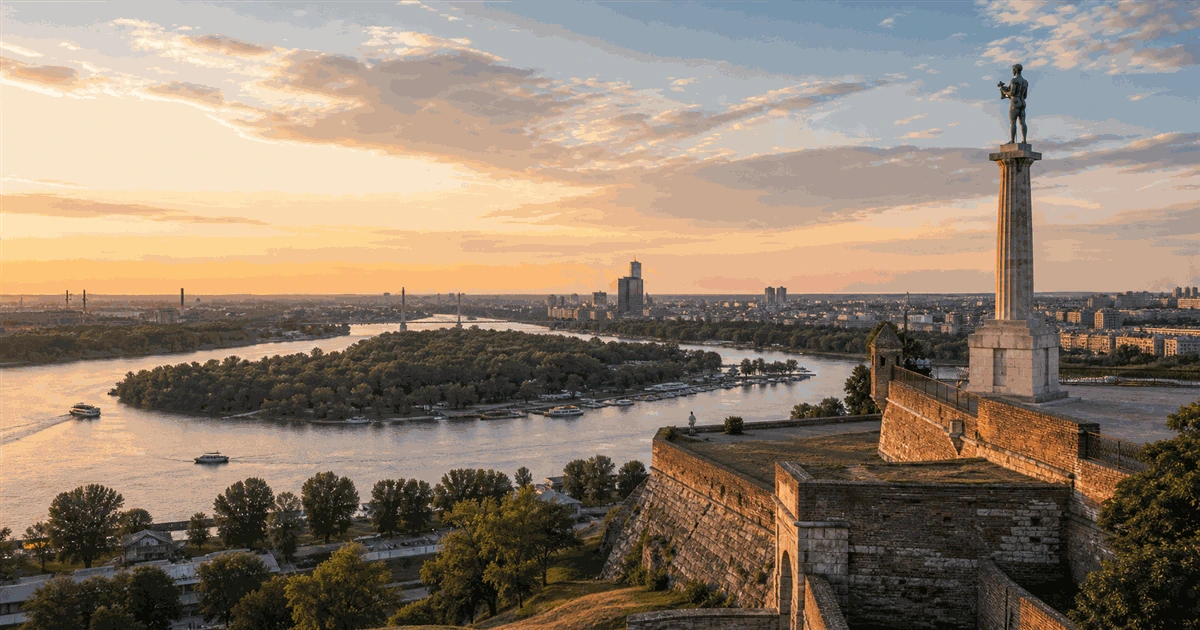

Serbia
History
Serb tribes settled the Balkans and formed the first principalities.
A kingdom was proclaimed, placing monarchy at the centre of Serbia's state authority.
Serbia was reorganized as an empire, expanding monarchical authority and status.
The Serbian Despotate held out for decades after the defeat at Kosovo.
The second uprising won autonomy from the Ottomans.
The Kingdom of Serbia emerged, giving the area a defined monarchical state structure.
The Kingdom of Serbs, Croats and Slovenes was proclaimed under the Serbian dynasty.
Serbia became a constituent republic of socialist Yugoslavia.
 Part ofEuropeMore countries, cities and routes.
Short facts
RegionSoutheast Europe / Balkans
LanguageSerbian
Time zoneCET (UTC+1)
Drives onRight
Worth seeing
- Belgrade Nightlife: Floating clubs on the Sava and Danube keep the city alive until dawn.
- Novi Sad EXIT Festival: One of Europe's best summer music festivals held in a 18th-century fortress.
- Djavolja Varoš: Devil's Town — natural stone columns caused by volcanic erosion.
Find a city in Serbia
Showing all cities
 Belgrade
Planning questions
What is Serbia known for?Belgrade Nightlife, Novi Sad EXIT Festival, Djavolja Varoš.
What is the capital?Belgrade.
Which language is useful?Serbian.
When is the national day?15 February.
Upcoming events
 Serbia Statehood Day15 February 2027 — Across Serbia — Serbia
Use Belgrade as the first planning anchor for Serbia, then compare the city, food and worth-seeing notes on this page.
Food & drink
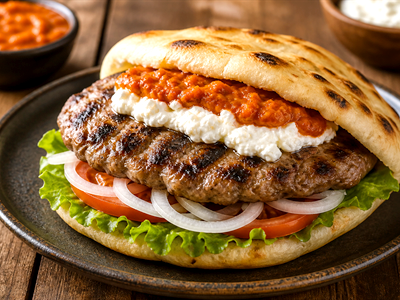 Pljeskavica
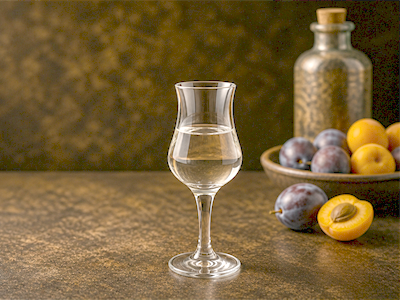 Rakija
Known for
Belgrade NightlifeNovi Sad EXIT FestivalDjavolja VarošCapital cityLocal foodHistory
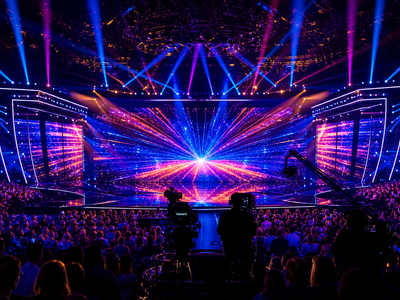 Music & Culture