Forecast
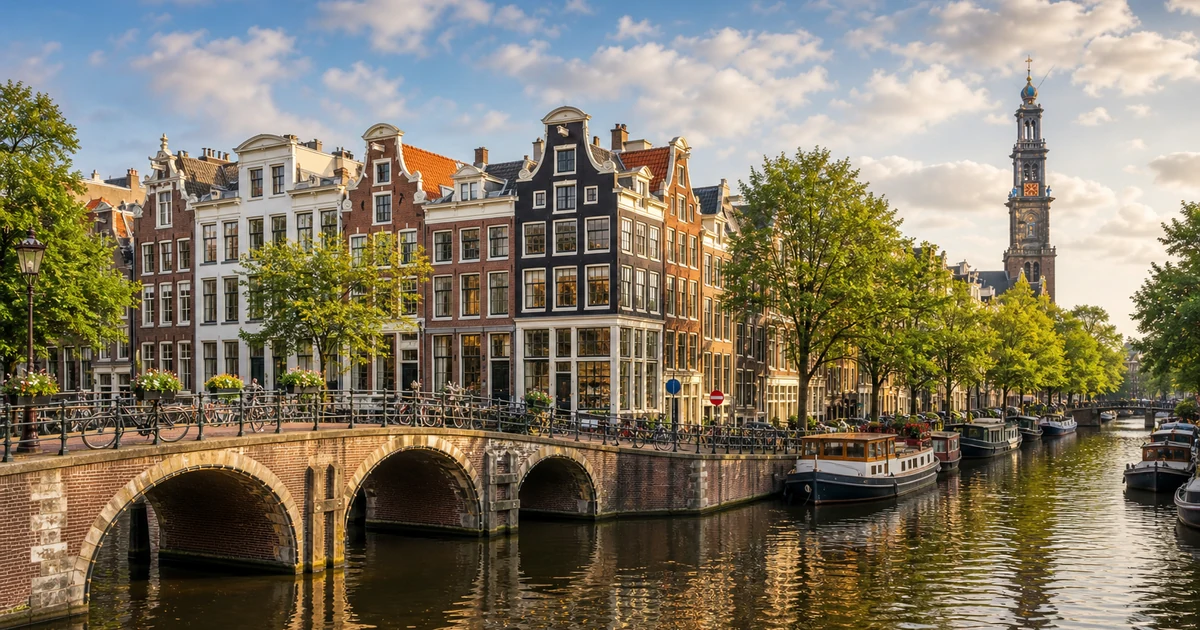
Amsterdam
Local time--:--
Europe/AmsterdamWeather Forecast
Amsterdam, NetherlandsOpen-Meteo forecast.
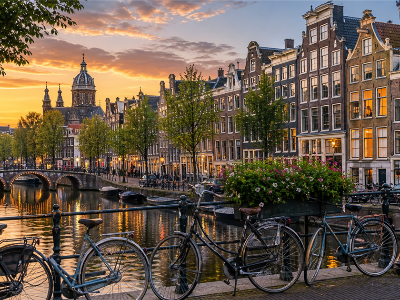
Amsterdam city overview
Amsterdam works best as a base in Netherlands when you anchor days around Rijksmuseum, Van Gogh Museum and Anne Frank House. Use those sights to understand the city's history, street life and visitor rhythm. Amsterdam Schiphol handles the main arrival flow, so hotel choice should balance the centre, transfer time and day-trip plans.
Worth seeing
Rijksmuseum
Rijksmuseum is a key Amsterdam culture stop, useful for understanding local history, collections and rainy-day planning near the main sightseeing route.
View on map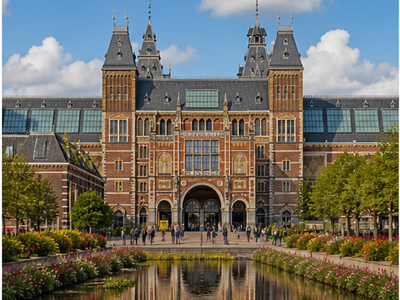
Van Gogh Museum
Van Gogh Museum is a key Amsterdam culture stop, useful for understanding local history, collections and rainy-day planning near the main sightseeing route.
View on map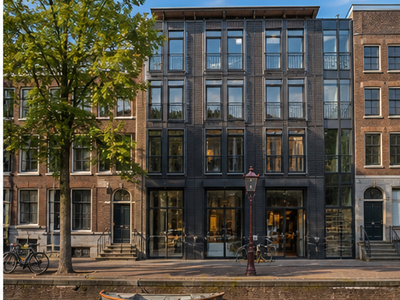
Anne Frank House
Anne Frank House is a named stop in Amsterdam worth keeping on the route when it fits the day's transport, timing and neighborhood plan.
View on map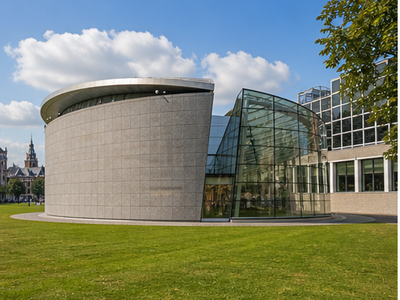
Canal Ring Amsterdam
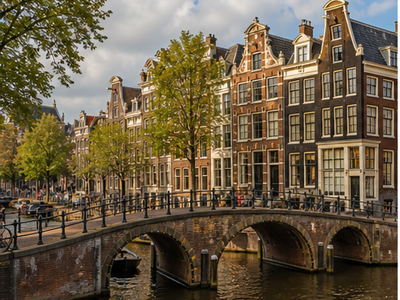
Canal Ring Amsterdam adds the water-facing side of Amsterdam, making it a good break from museums, traffic and dense historic streets.
View on map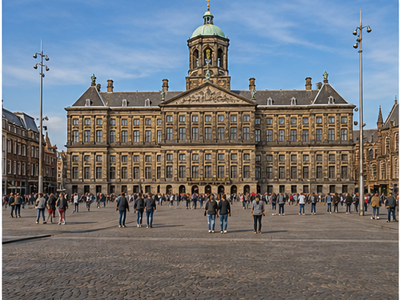
Dam Square
Dam Square is a clear heritage marker in Amsterdam, best used as a fixed point when grouping nearby streets, monuments and viewpoints.
View on map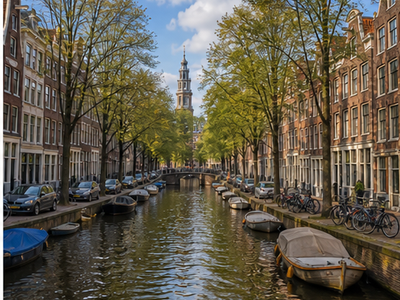
Vondelpark
Vondelpark adds outdoor time to a Amsterdam stay, with open space, views or waterfront breathing room between denser city sights.
View on mapStay overview
Start with Canal Ring for the easiest first Amsterdam stay, then compare Jordaan and De Pijp when price, nightlife, quieter evenings or transfer timing matter more than being beside every major sight.
Hotels & areas
Amsterdam hotel choice is mostly about repeat journeys: use Canal Ring for sightseeing, Jordaan for a different local base, and De Pijp or Museum Quarter when views, parking, airport timing or longer stays matter.
Canal Ring
Canal Ring is useful when a Amsterdam stay needs more local restaurants, apartment options or quieter nights outside the busiest core.
Best for: local stays, restaurants, quieter nightsSee hotel optionsJordaan
Jordaan is useful when a Amsterdam stay needs more local restaurants, apartment options or quieter nights outside the busiest core.
Best for: local stays, restaurants, quieter nightsSee hotel optionsDe Pijp
De Pijp is useful when a Amsterdam stay needs more local restaurants, apartment options or quieter nights outside the busiest core.
Best for: local stays, restaurants, quieter nightsSee hotel optionsMuseum Quarter
Museum Quarter is useful when a Amsterdam stay needs more local restaurants, apartment options or quieter nights outside the busiest core.
Best for: local stays, restaurants, quieter nightsSee hotel optionsFlights & airports
Amsterdam Airport Schiphol (AMS) arrival plan
- Amsterdam Airport Schiphol (AMS)About 11 km from the centre
To the centre: Train to Amsterdam Centraal, at least every 15 min by day, about 20 min (NS ticket from desk or machine).
- Rotterdam The Hague Airport (RTM)About 56 km from the centre
Compare airport access against hotel location, arrival time, rental car pickup, late flights and onward driving before choosing the first night base.
Public transport
- Trams, buses, metro and ferries (GVB)GVB day/multi-day tickets cover all lines incl. night buses; 1 h and 24 h chip cards sold on board — no cash on buses or trams
- TaxiCab stands at Dam Square, Leidseplein, Rembrandtplein, Uber — Hail or use a stand
Rental cars
Amsterdam day-trip car use
Do not rent a car for central Amsterdam unless parking and traffic are part of the plan; use one mainly for regional day trips.
Compare rental carsTravel tips
Best base
Choose Canal Ring for a first stay because it keeps main sights, restaurants and practical local movement close.
Airport timing
Leave extra time for Amsterdam Schiphol, especially for early flights, late arrivals, traffic or unfamiliar transfer routes.
Local movement
Plan each day in clusters around Rijksmuseum and Van Gogh Museum so transfers do not consume the best sightseeing hours.
Day trips
Keep one flexible slot for nearby routes from Amsterdam, checking weather, transport and opening hours before committing.
Nearby ideas
Heritage · about 20 min · train from Amsterdam Centraal to Zaandijk Zaanse Schans
Zaanse Schans
Working windmills you can climb inside, grinding pigment and sawing timber as they did in the 1600s.
View on mapTown · about 20 min · train from Amsterdam Centraal
Haarlem
Frans Hals Museum, hidden almshouse courtyards and a Saturday market on the Grote Markt.
View on mapPark · about 50 min · bus 852 from Schiphol or the Keukenhof Express
Keukenhof
Seven million bulbs planted in one park; it only opens from late March to mid-May.
View on mapHeritage · about 35 min · bus 327 from Amsterdam Amstel to Muiden
Muiderslot
A moated thirteenth-century castle at the mouth of the Vecht, with falconry and a walled herb garden.
View on mapUpcoming events
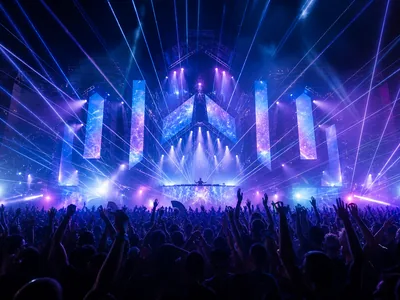
Amsterdam Dance Event
21 October 2026 – 25 October 2026 — Amsterdam — Netherlands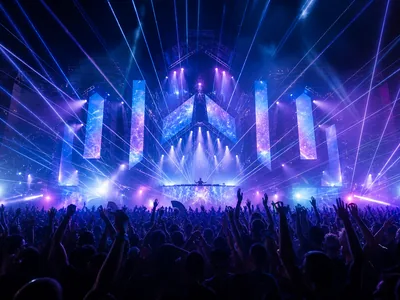
Armin van Buuren Gashouder Amsterdam
21 October 2026 — Amsterdam — Netherlands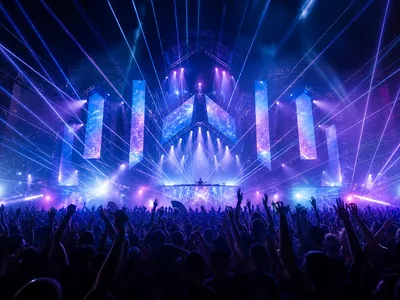
Armin van Buuren AMF Amsterdam
24 October 2026 — Amsterdam — Netherlands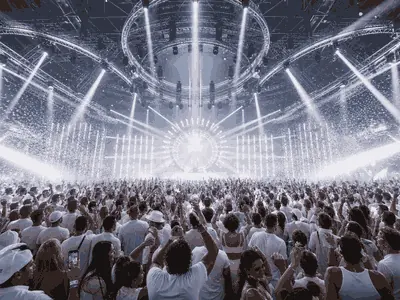
White Sensation Amsterdam
4 July 2027–5 July 2027 — Amsterdam — Netherlands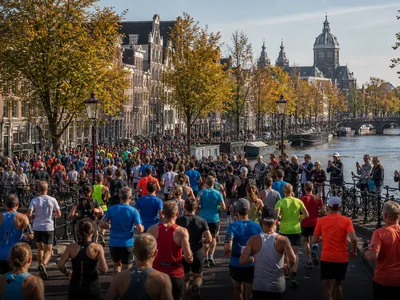
Amsterdam Marathon
24 October 2027 — Amsterdam — NetherlandsCity history
More than 100,000 Dutch Jews were deported and murdered in Nazi concentration camps, including 56,521 victims in Auschwitz and a further number of 34,082 accounted for in Sobibor.
A settlement was built here immediately after the landscape change of 1170.
The settlement first appeared in a document from 1275, concerning a road toll granted by the count of Holland Floris V to the residents apud Amestelledamme 'at the dam in the Amstel' or 'at.
The Mirakel van Amsterdam in 1345 rendered the city an important place of pilgrimage.
In 1602, the Amsterdam office of the Dutch East India Company became the world's first stock exchange by trading in its own shares.
The city was a major destination port for Dutch slave ships participating in the triangular trade, which lasted until the United Netherlands abolished the Netherlands' involvement in the trade in 1814 at the request.
In 1906, Joseph Conrad gave a brief description of Amsterdam as seen from the seaside, in The Mirror of the Sea. 20th century – present Shortly before the First World War, the city started.
On 1 January 1921, after a flood in 1916, the depleted municipalities of Durgerdam, Holysloot, Zunderdorp and Schellingwoude (all lying north of Amsterdam) were, at their own request, annexed to the city.
The two main waves of arrest, culminating in deportation, occurred on 26 May 1943 and on 20 June 1943.
From the 15th century on the city established an independent trade route with the Baltic Sea in grain and timber, cutting out the Hanseatic League as middlemen.
From the 17th century onwards, Amsterdam also became involved in the Atlantic slave trade.
This secluded area was able to grow into an important local settlement centre, especially in the late Bronze Age, the Iron Age and the Roman Age.
New museums, a railway station, and the Concertgebouw were built; At the same time, the Industrial Revolution reached the city.
With the edifice of resistance removed the SS and German police apparatus, supported by collaborators in the Dutch auxiliary police, arrested thousands of defenceless Jews in Amsterdam's Jewish Quarter.