Forecast
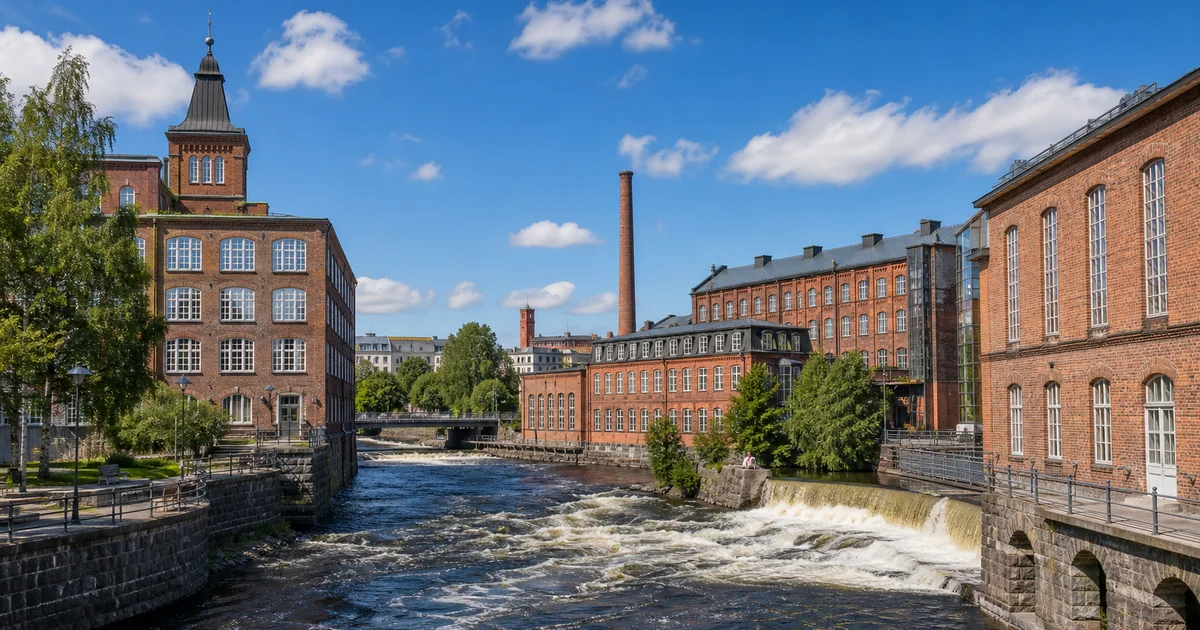
Tampere
Local time--:--
Europe/HelsinkiWeather Forecast
Tampere, FinlandOpen-Meteo forecast.
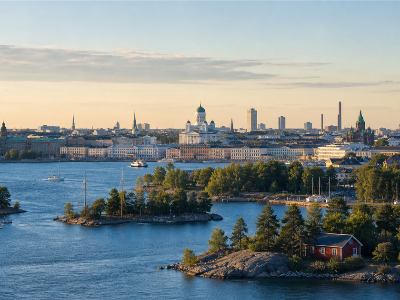
Tampere city overview
Tampere is Finland's lakeside industrial city turned culture and sauna capital, set between Näsijärvi and Pyhäjärvi. Start in the Finlayson area, climb Pyynikki tower for doughnuts and views, then visit Vapriikki or a public sauna by the water. Tampere-Pirkkala Airport is close, with rail links also strong from Helsinki.
Worth seeing
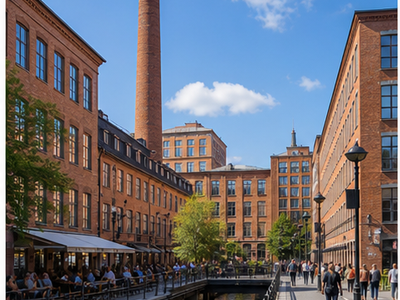
Finlayson area
Finlayson area is a named stop in Tampere worth keeping on the route when it fits the day's transport, timing and neighborhood plan.
View on map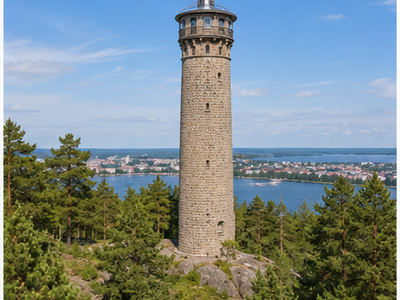
Pyynikki tower
Pyynikki tower is a clear heritage marker in Tampere, best used as a fixed point when grouping nearby streets, monuments and viewpoints.
View on map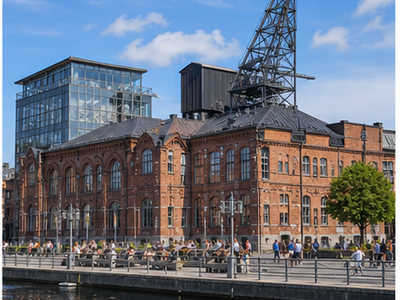
Vapriikki
Vapriikki is a major museum centre in a former factory, covering history, games, natural history and local culture.
View on map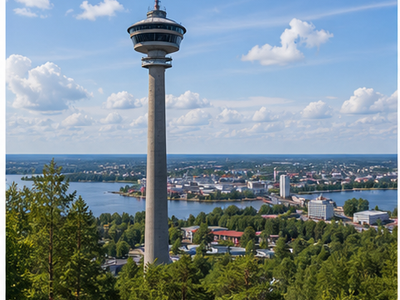
Nasinneula
Nasinneula is a named stop in Tampere worth keeping on the route when it fits the day's transport, timing and neighborhood plan.
View on map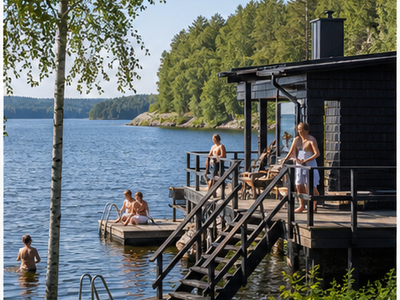
Public saunas
Public saunas is a named stop in Tampere worth keeping on the route when it fits the day's transport, timing and neighborhood plan.
View on map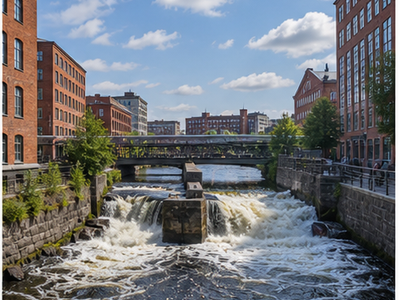
Tammerkoski rapids
Tammerkoski rapids is a named stop in Tampere worth keeping on the route when it fits the day's transport, timing and neighborhood plan.
View on mapStay overview
Stay in Tampere centre for transport and restaurants, Finlayson for museums and industrial character, Pyynikki for ridge walks and views, or Ratina for arena events and modern hotel convenience.
Hotels & areas
Tampere is easy to navigate around the rapids and station. Central and Finlayson stays work for culture trips, while Pyynikki is calmer and Ratina is useful for events and business travel.
Tampere centre
The centre is best for first stays, restaurants, shops, the station and quick access to Tammerkoski.
Best for: first visits, station, restaurantsSee hotel optionsFinlayson
Finlayson offers industrial heritage, museums, cinemas and restaurants close to the rapids.
Best for: culture, history, foodSee hotel optionsPyynikki
Pyynikki is greener and quieter, with ridge walks, lake views and the famous observation tower.
Best for: nature, views, quiet staysSee hotel optionsRatina
Ratina is practical for arena events, shopping, hotels and road access south of the centre.
Best for: events, shopping, businessSee hotel optionsFlights & airports
Tampere-Pirkkala Airport (TMP) arrival plan
- Tampere-Pirkkala Airport (TMP)About 14 km from the centre
Compare airport access against hotel location, arrival time, rental car pickup, late flights and onward driving before choosing the first night base.
Rental cars
Tampere day-trip car use
You do not need a car in Tampere; rent only for lake cottages, national parks or wider Pirkanmaa trips.
Compare rental carsTravel tips
Best base
Stay near the centre or Finlayson if you want museums, restaurants, rail and sauna visits close together.
Sauna
For sauna time in Tampere, confirm booking rules, swim access and the route back to your hotel before committing.
Views
Use view stops in Tampere early or late in the day when light is better and the route can stay flexible.
Day trip
Hämeenlinna or Helvetinjärvi National Park are strong day trips depending on whether you want history or nature.
Nearby ideas
Park · about 15 min · tram 1 to Santalahti
Näsinneula and Särkänniemi
A 168-metre observation tower over the lakes, with an aquarium and planetarium below it.
View on mapNature · about 20 min · walk or bus 8 south-west from the centre
Pyynikki ridge
The world's highest gravel esker, with a stone tower and the doughnut café at the top.
View on mapNature · about 20 min · steamer from Mustalahti harbour, summer only
Lake Näsijärvi cruise
Old lake steamers running north through a narrow waterway between pine shores.
View on mapCity history
In 1708 the market was moved from the outskirts of Tammerkoski to Harju, and in 1758 from there to Pispala.
In 1809, when Finland became a Grand Duchy of Finland, Tampere still had less than a thousand inhabitants.
In the 19th century, Tampere grew into an important market town and industrial centre; its industrialisation was greatly influenced by the Finlayson textile factory, founded in 1820 by the Scottish industrialist James Finlayson.
The world-famous Nokia Corporation, a multinational telecommunications company, also had its beginnings in the Tammerkoski area; the company's history dates back to 1865, when mining engineer Fredrik Idestam established a pulp mill on the.
The railway connection to Tampere from the extension of the Helsinki-Hämeenlinna line (now part of the Main Line) via Toijala was opened to the public on 22 June 1876.
After Finland gained its full independence, Tampere played an important role in the 1918 Civil War, being one of the most strategically important places for the Finnish Socialist Workers' Republic (FSWR) during the Finnish.
Already in 1937 the most part of modern western Tampere, including Pispala, was annexed to the city from North Pirkkala (today Nokia).
Messukylä was incorporated in 1947, Lielahti in 1950, Aitolahti in 1966 and Teisko in 1972.
Tampere became a university city when the Social University moved from Helsinki to Tampere in 1960, becoming the University of Tampere in 1966.
In 1979, the Tampere-Pirkkala airport was opened 13 km (8.1 mi) from the centre of Tampere on the Pirkkala side of the city.
The earliest known permanent settlements around Tammerkoski were established in the 7th century, when settlers from the west of the region began to farm land in Takahuhti, an area largely inhabited by the Tavastian.
By the 16th century, the villages of Messukylä and Takahuhti had become the area's largest settlements.
In the 18th century other industries began to develop, as several small ironworks, the Tammerkoski distillery, and the Otavala spinning school were established.
The reason for the bombing of Tampere was that the city was an important railway junction and was also home to the State Aircraft Factory and the Tampella Factory, which produced ammunition and weapons.