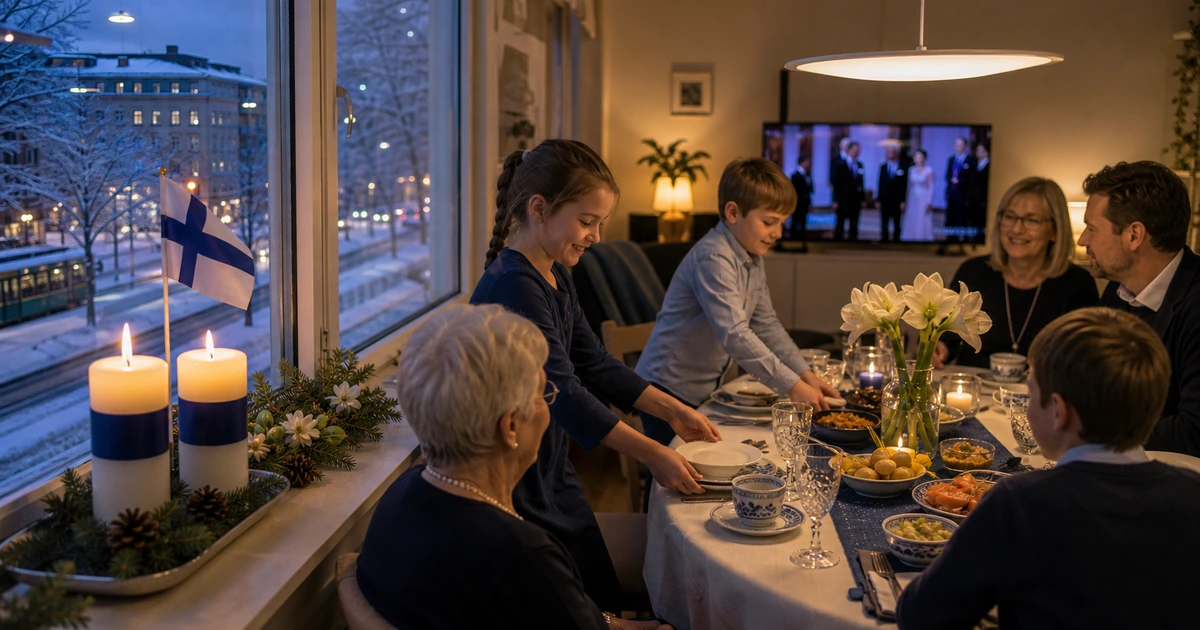
Finland Independence Day 2026

More National days
National days topic
Return to the National days index for related events.
About the event
Why Finland celebrates 6 December On 6 December 1917, the Finnish Senate declared independence from Russia following the October Revolution, which had dissolved the authority of the Russian Provisional Government.
The Finnish sauna is a social institution — there are 3.3 million saunas for 5.5 million people, used weekly.
Why this day
On 6 December 1917, the Finnish Senate declared independence from Russia following the October Revolution, which had dissolved the authority of the Russian Provisional Government. The declaration was made in a country that had been a grand duchy under Russian rule since 1809 and, before that, part of Sweden for nearly 700 years.
Independence came at a turbulent moment. Within weeks of the declaration, Finland descended into a bloody civil war between the Red Guards and White Guards — a conflict that left deep wounds that took decades to heal. The Winter War of 1939-1940 against the Soviet Union and the Continuation War that followed gave Finnish independence a much harder-won character than the relatively peaceful declaration might suggest.
Finnish Independence Day is one of the most solemn national holidays in the Nordic countries. The presidential Independence Day reception — broadcast live on national television — is watched by virtually every Finn. Candles are placed in windows across the country at six in the evening as a symbol of remembrance. Blue and white are everywhere.
Timeline
- 1809Finland becomes a grand duchy of Russia after Swedish rule ends
- 1917Finnish parliament declares independence on 6 December
- 1940Winter War ends — Finland retains independence despite Soviet pressure
Stay for the event
Check-in 5 Dec, check-out 7 Dec 2026 — 2 nights around 6 December 2026. Change the dates to stay longer.
AREA
Find stays in HelsinkiGetting there
- Celebratednationwide
- CapitalHelsinki
- Time zoneEET (UTC+2)
Host country
- Currency: euro
- Language: Finnish, Swedish
- Driving: on the right
- Capital: Helsinki
- Phone: +358
- Emergency: 112
- Electricity: 230 V, 50 Hz, plugs C/F
What to eat
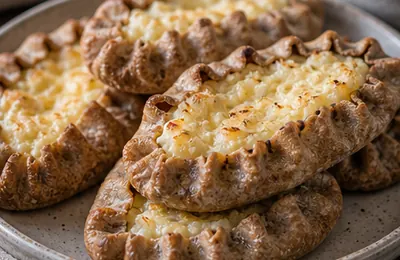 Karjalanpiirakka
Karelian pasties — oval rye crusts filled with rice porridge, eaten with egg butter.
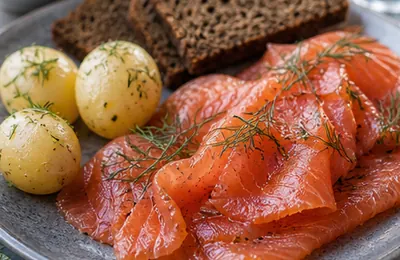 Graavilohi
Cured salmon with dill, sugar and salt — served thin-sliced with mustard sauce and rye bread.
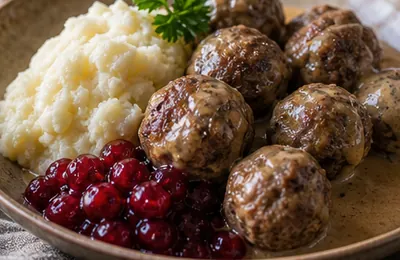 Lihapullat
Finnish meatballs in cream sauce — smaller and spicier than Swedish ones, served with mashed potato.
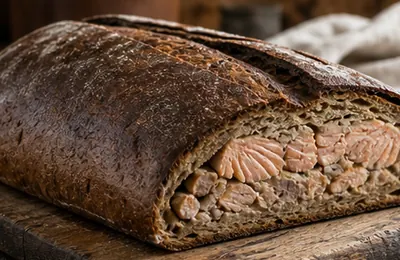 Kalakukko
Rye bread loaf filled with small vendace fish and pork — a traditional Finnish forest lunch.
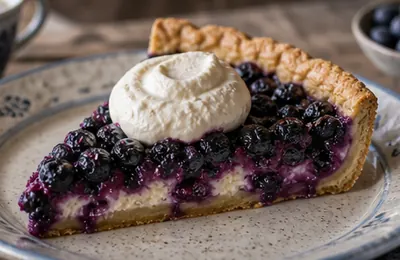 Mustikkapiirakka
Finnish blueberry tart with a crumbly pastry base — wild blueberries picked in August forests.
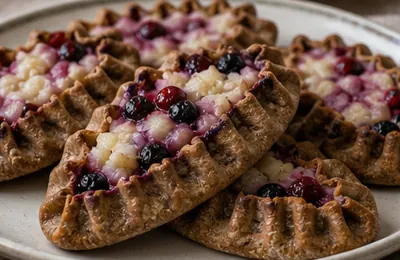 Rönttönen
Karelian rye pastry filled with lingonberry jam and rice porridge — a northern Finnish specialty.
What to drink
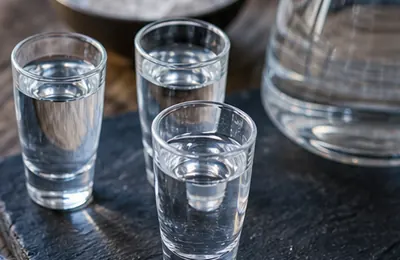 Koskenkorva
Finnish grain vodka — the most popular spirit, drunk neat or in long drinks with grapefruit soda.
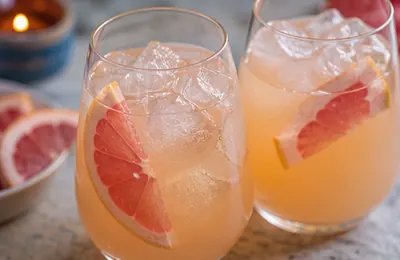 Lonkero
Gin and grapefruit soda — Finland's beloved canned long drink, invented for the 1952 Helsinki Olympics.
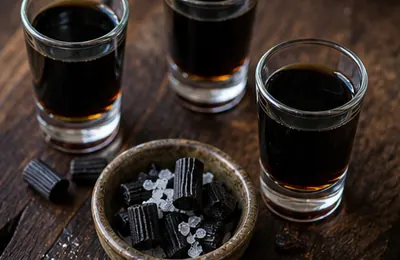 Salmiakki shots
Salted liquorice spirits — a Finnish tradition that divides opinion across Scandinavia.
Culture & traditions
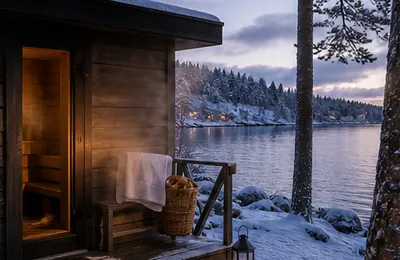 Sauna
SaunaThe Finnish sauna is a social institution — there are 3.3 million saunas for 5.5 million people, used weekly.
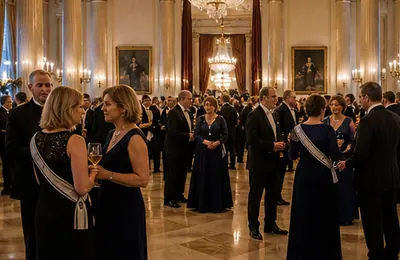 Independence Day reception
The presidential reception at the Helsinki Palace is watched live on TV by over two million Finns.
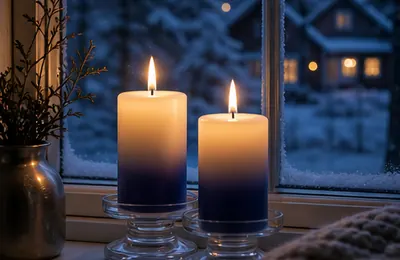 Candles in windows
At 6pm on 6 December, Finns place two candles in every window — a national act of remembrance.
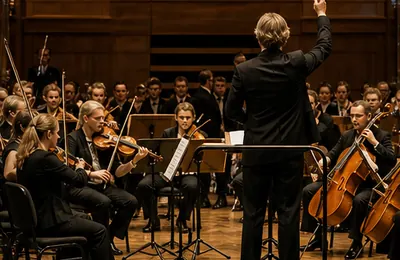 Sibelius music
Jean Sibelius's Finlandia is the emotional national anthem — played at ceremonies and sports events.
Coming years
Finland Independence Day 2027
- Monday 6 December 2027Next event date
Finland Independence Day 2028
- Wednesday 6 December 2028Event date
Finland Independence Day 2029
- Thursday 6 December 2029Event date