Forecast
Kuopio
Local time--:--
Europe/HelsinkiWeather Forecast
Kuopio, FinlandOpen-Meteo forecast.
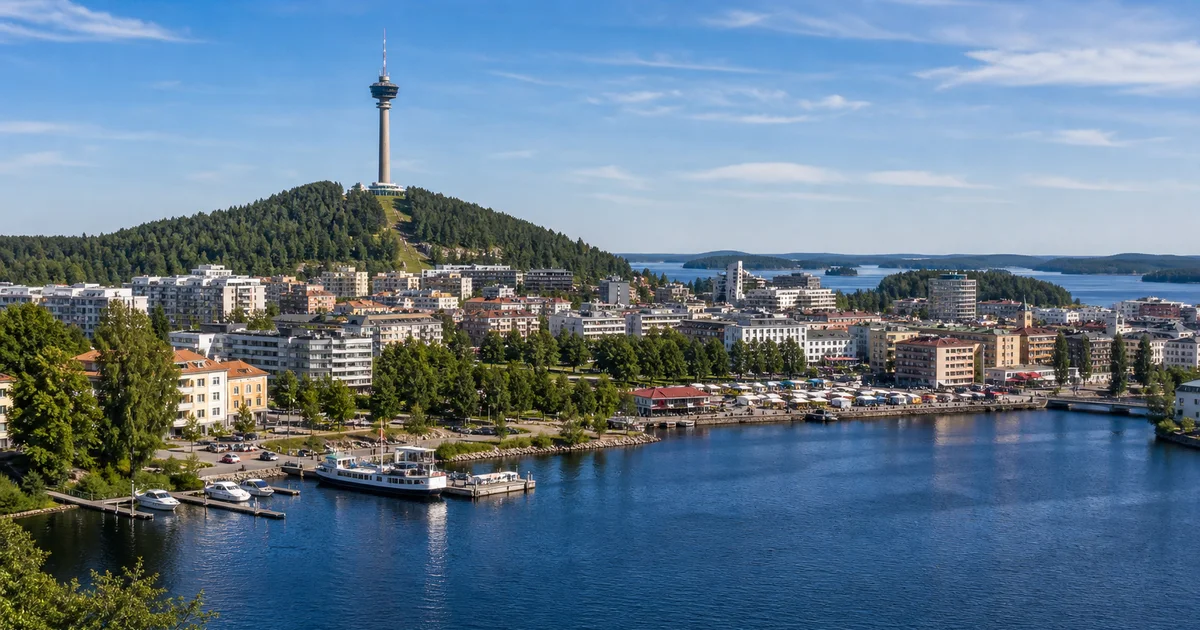
Kuopio city overview
Kuopio is a lake-country city in Finnish Lakeland, known for Puijo views, market food and easy access to Kallavesi. Start at Puijo Tower, eat at Kuopio Market Hall, then use the harbour area for lake cruises or summer terraces. Kuopio Airport is north of town, while trains connect the city with Helsinki and eastern Finland.
Worth seeing
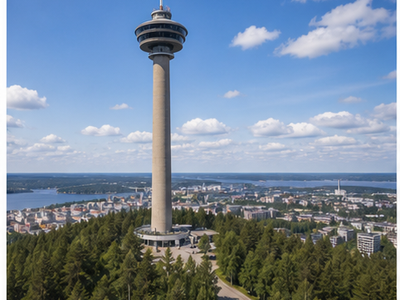
Puijo Tower
Puijo Tower is a clear heritage marker in Kuopio, best used as a fixed point when grouping nearby streets, monuments and viewpoints.
View on map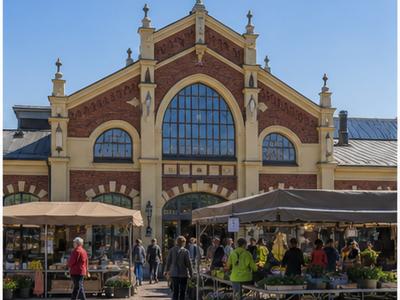
Kuopio Market Hall
Kuopio Market Hall is useful for reading Kuopio's daily rhythm through food stalls, craft sellers, local errands and short stops between bigger sights.
View on map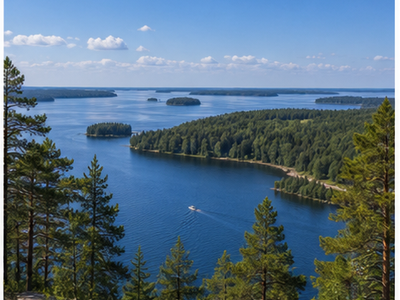
Lake Kallavesi
Lake Kallavesi adds the water-facing side of Kuopio, making it a good break from museums, traffic and dense historic streets.
View on map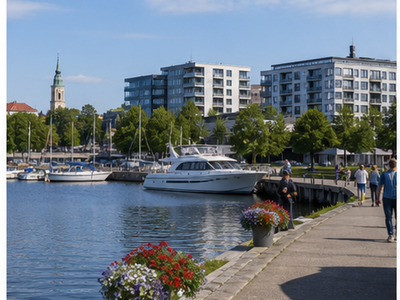
Harbour area
Harbour area adds the water-facing side of Kuopio, making it a good break from museums, traffic and dense historic streets.
View on map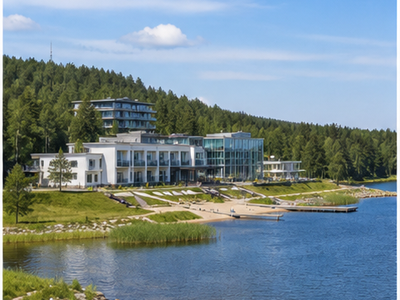
Rauhalahti
Rauhalahti is a spa and resort area south of the centre, useful for families and longer relaxed stays.
View on map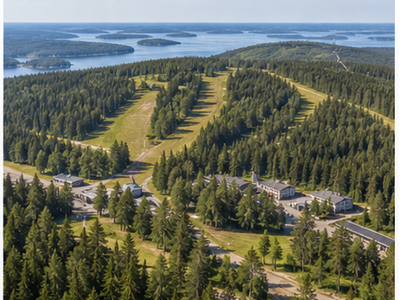
Tahko trips
Tahko trips is a named stop in Kuopio worth keeping on the route when it fits the day's transport, timing and neighborhood plan.
View on mapStay overview
Use Kuopio centre for restaurants and transport, the harbour area for summer lake views, Puijo for trails and viewpoints, or Rauhalahti for spa-style family stays outside the urban core.
Hotels & areas
Kuopio hotels are easiest near the centre and market square, while harbour and Rauhalahti stays suit visitors prioritising lake time, and Puijo works better for outdoor-focused trips.
Kuopio centre
The centre is best for first stays, with market hall, shops, restaurants and the station close together.
Best for: first visits, restaurants, stationSee hotel optionsHarbour area
The harbour area suits lake views, summer terraces and boat departures on Lake Kallavesi.
Best for: lake views, cruises, summerSee hotel optionsPuijo
Puijo is a greener base near trails, winter sports and the tower viewpoint above the city.
Best for: nature, views, skiingSee hotel optionsRauhalahti
Rauhalahti is a resort and spa area south of the centre, useful for families and longer stays.
Best for: spa, families, longer staysSee hotel optionsFlights & airports
Kuopio Airport (KUO) arrival plan
- Kuopio Airport (KUO)About 14 km from the centre
Compare airport access against hotel location, arrival time, rental car pickup, late flights and onward driving before choosing the first night base.
Rental cars
Kuopio day-trip car use
A car helps for Lakeland drives, Tahko and smaller villages, but central Kuopio is easy without one.
Compare rental carsTravel tips
Best base
Stay near the market square for the simplest first visit and easy walks to food, shops and the station.
Local food
Use markets and food streets in Kuopio between larger sights, when stalls are active and the next transfer is short.
Lake season
Summer brings lake cruises and terraces, while winter changes the visit toward snow, saunas and Puijo trails.
Day trip
Keep one side-trip day flexible from Kuopio, then choose it only after checking transport frequency and opening hours.
Nearby ideas
Heritage · about 1 h 15 min · car east on Route 23 to Heinävesi
Valamo Monastery
Finland's only Orthodox monastery, moved here from Lake Ladoga in 1940, with its own winery.
View on mapHeritage · about 20 min · walk north-east from the market square
Kuopio open-air museum
Eleven blocks of wooden town houses kept in place, with the interiors staged by decade.
View on mapMountain · about 1 h · bus north on Route 5 to Nilsiä
Nilsiä and Tahkovuori
Eastern Finland's main ski hill, with mountain biking on the same slopes in summer.
View on mapCity history
Governor Per Brahe the Younger founded the settlement of Kuopio in 1653.
Following the conclusion of the Finnish War in 1809, which occurred in the context of the broader Napoleonic Wars, Finland would be annexed by the Russian Empire as an autonomous Grand Duchy.
Major public works projects built during this time include the Saimaa Canal in 1856, which opened up a summer route between Lake Saimaa and the Baltic Sea, and the Savo railway in 1889, which.
At the end of the 1940s, support was also provided for school transports and the provision of free school meals, expanding a welfare program that had been active since 1902.
Kuopio's original train station was built the same year and would serve as the city's main rail terminus until 1934, when it was demolished replaced by the current Kuopio railway station.
The current design was approved by the Kuopio City Council at a meeting on November 25, 1957 and was confirmed by the Ministry of the Interior on June 12, 1958.
The municipality of Maaninka joined the city of Kuopio in 2015, the town of Nilsiä in 2013, and Karttula in 2011, Vehmersalmi in 2005, Riistavesi in 1973, and Kuopion maalaiskunta in 1969.
One theory proposes that in the 16th century, a local notable named Kauhanen in Tavinsalmi, a village approximately 32 km to the northwest of the city, changed his name to Skopa.
In the 1550s, the Finnish Church, under the influence of Protestant reformer Mikael Agricola, established parish church in Kuopionniemi.
In the 19th century, Eastern Finland would see considerable infrastructural investment and modernization, particularly in the realm of transportation.
In the 1960s, the construction of suburbs began with the development of Puijonlaakso.
The development of infrastructure would lead to the further economic integration of previously isolated, inland areas, with economic and commercial hubs on the Baltic Coast.
Following World War II, Kuopio's population would grow significantly due in part to the settlement of Karelian evacuees and a high birth rate.