Forecast
Jyväskylä
Local time--:--
Europe/HelsinkiWeather Forecast
Jyväskylä, FinlandOpen-Meteo forecast.
Jyväskylä city overview
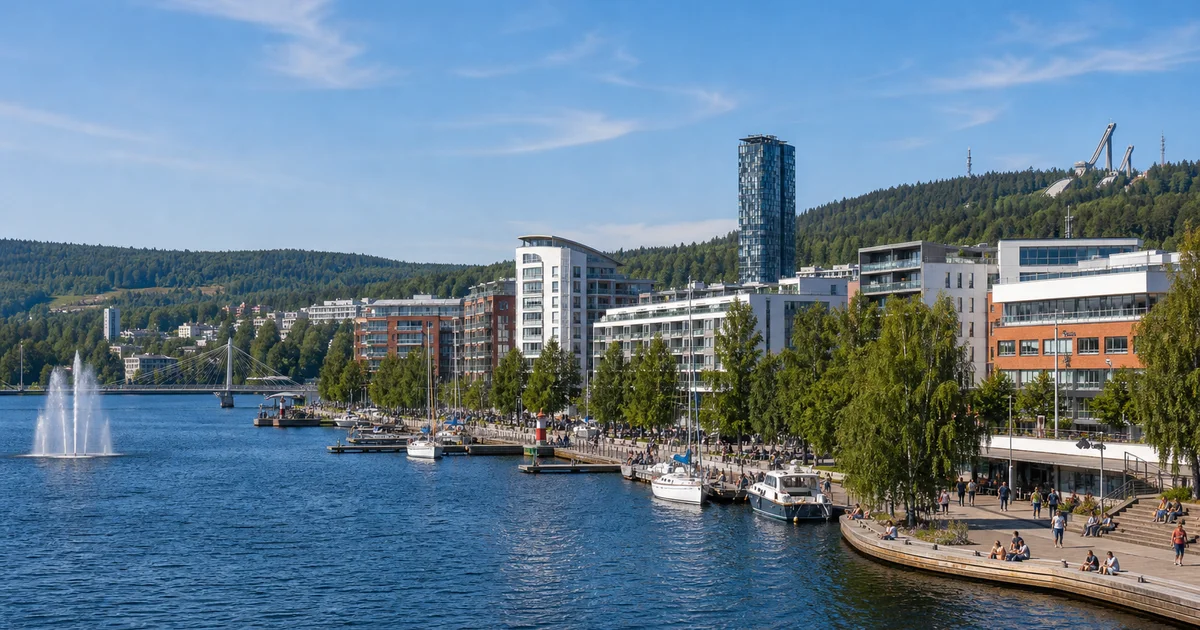
Jyväskylä is a lake city in Central Finland, known for Alvar Aalto architecture, university life and Rally Finland roads. Start at the Alvar Aalto Museum, climb Harju Ridge for views, then walk Lutakko harbour and Lake Jyväsjärvi. Jyväskylä Airport is small, so rail connections from Helsinki are often practical.
Worth seeing
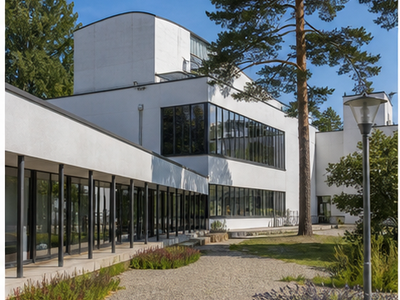
Alvar Aalto Museum
Alvar Aalto Museum gives Jyväskylä a strong culture stop for museums, exhibitions or local collections, and works best as an indoor anchor in the day's route.
View on map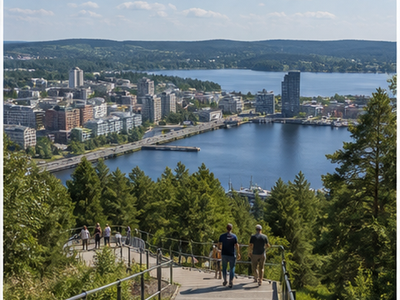
Harju Ridge
Harju Ridge is a named stop in Jyväskylä worth keeping on the route when it fits the day's transport, timing and neighborhood plan.
View on map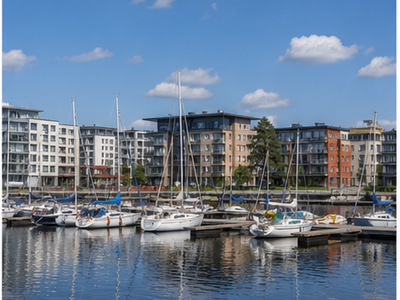
Lutakko harbour
Lutakko harbour adds the water-facing side of Jyväskylä, making it a good break from museums, traffic and dense historic streets.
View on map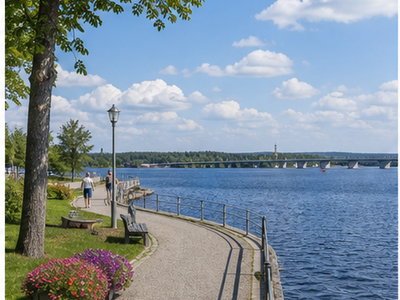
Lake Jyvasjarvi
Lake Jyvasjarvi adds the water-facing side of Jyväskylä, making it a good break from museums, traffic and dense historic streets.
View on map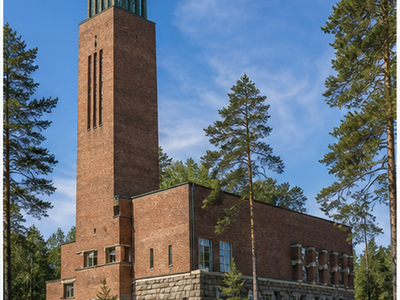
Saynatsalo Town Hall
Säynätsalo Town Hall is one of Alvar Aalto's major works and a meaningful architecture trip from the centre.
View on map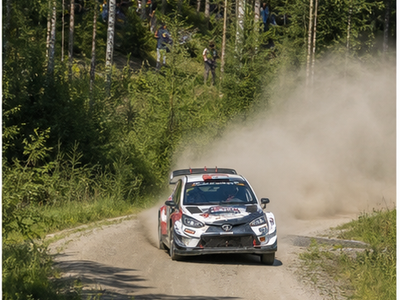
Rally Finland roads
Rally Finland roads is a named stop in Jyväskylä worth keeping on the route when it fits the day's transport, timing and neighborhood plan.
View on mapStay overview
Stay in the city centre for restaurants and station access, Lutakko for lakefront events, Kuokkala for calmer waterside stays, or Kortepohja for university visits and apartment value.
Hotels & areas
Jyväskylä is compact around the lake and ridge. Central hotels are easiest, Lutakko suits events and harbour walks, and university-side districts make more sense for longer or purpose-led stays.
City centre
The centre is best for first stays, restaurants, shops, the station and easy walks to Harju Ridge.
Best for: first visits, station, restaurantsSee hotel optionsLutakko
Lutakko is the lakeside harbour district, good for events, waterfront walks and modern apartment stays.
Best for: waterfront, events, apartmentsSee hotel optionsKuokkala
Kuokkala sits across the lake with residential calm, bridge views and access to local services.
Best for: quiet stays, lake views, longer visitsSee hotel optionsKortepohja
Kortepohja is useful for university-related stays, budget apartments and access toward the Aalto campus.
Best for: university, budget, longer staysSee hotel optionsFlights & airports
Kuopio Airport (KUO) arrival plan
- Kuopio Airport (KUO)About 136 km from the centre
Compare airport access against hotel location, arrival time, rental car pickup, late flights and onward driving before choosing the first night base.
- Jyväskylä Airport (JYV)About 18 km from the centre
Compare airport access against hotel location, arrival time, rental car pickup, late flights and onward driving before choosing the first night base.
Rental cars
Jyväskylä day-trip car use
A car helps for Rally Finland roads, Säynätsalo and lake-country trips, but not for the compact centre.
Compare rental carsTravel tips
Best base
Choose the city centre if you want the station, restaurants and Harju Ridge within easy walking distance.
Architecture
Keep the Jyväskylä plan compact: group nearby sights together and leave enough time for transfers, meals and weather changes.
Events
Keep the Jyväskylä plan compact: group nearby sights together and leave enough time for transfers, meals and weather changes.
Day trip
Säynätsalo Town Hall is the key architecture outing and works best with a car or planned bus.
Nearby ideas
Heritage · about 15 min · walk or bus round the university campus
Alvar Aalto buildings
Thirty of Aalto's buildings stand in and around the town, more than anywhere else.
View on mapHeritage · about 40 min · bus west on Route 23 to Petäjävesi
Petäjävesi Old Church
A log church from 1765 with an axe-cut vault, listed by UNESCO for its peasant carpentry.
View on mapMountain · about 20 min · bus 25 north-west from the centre
Laajavuori
A ski hill and ski-jump complex on the town's edge, with trails and a spa at the foot.
View on mapCity history
During the 21st century Jyväskylä has grown fast – by over 1,000 inhabitants every year.
However, the name Jyväsjoki was registered in 1506 for the region's first known resident, Heikki Ihanninpoika Jyväsjoki.
According to the oldest available taxation documents (maakirja), there were seven estates on the Jyväskylä region in 1539.
A shorter form of the name, Jyväs (written Jyuexe) was mentioned slightly earlier in 1565 and again (this time written Jyues) in 1570.
The oldest estate in Jyväskylä continuously held by the same family is the estate of Lahti, which emerged when the estate of Mattila was split between two brothers in 1600.
The City of Jyväskylä was founded on 22 March 1837, when Emperor of Russia and Grand Duke of Finland, Nicholas I of Russia, signed the charter of the city and the infrastructure was essentially.
The first three Finnish-speaking schools in the world were founded in Jyväskylä, the lycée in 1858, the teachers’ college in 1863, and the girls’ school in 1864.
Säynätsalo was consolidated with Jyväskylä in 1993, and Jyväskylän maalaiskunta and Korpilahti, for their part, on January 1, 2009.
In the early 20th century, the town expanded several times.
His house was located at the mouth of the Äijälänjoki River, which in Fredrikson's opinion also supports the Syväsjoki theory.
In the Jyväskylä region, there are archeological findings from the Stone Age.
The history of the Lahti family and estate have had a significant impact on the development of Jyväskylä region.
The original town was built between Lake Jyväsjärvi (which is connected to Lake Päijänne) and the Jyväskylä ridge (Harju), and consisted of most of the current grid-style city centre.
Most of today's Jyväskylä was built after the Continuation War, when evacuees from ceded territories were settled in the city, and housing was badly needed.