Forecast
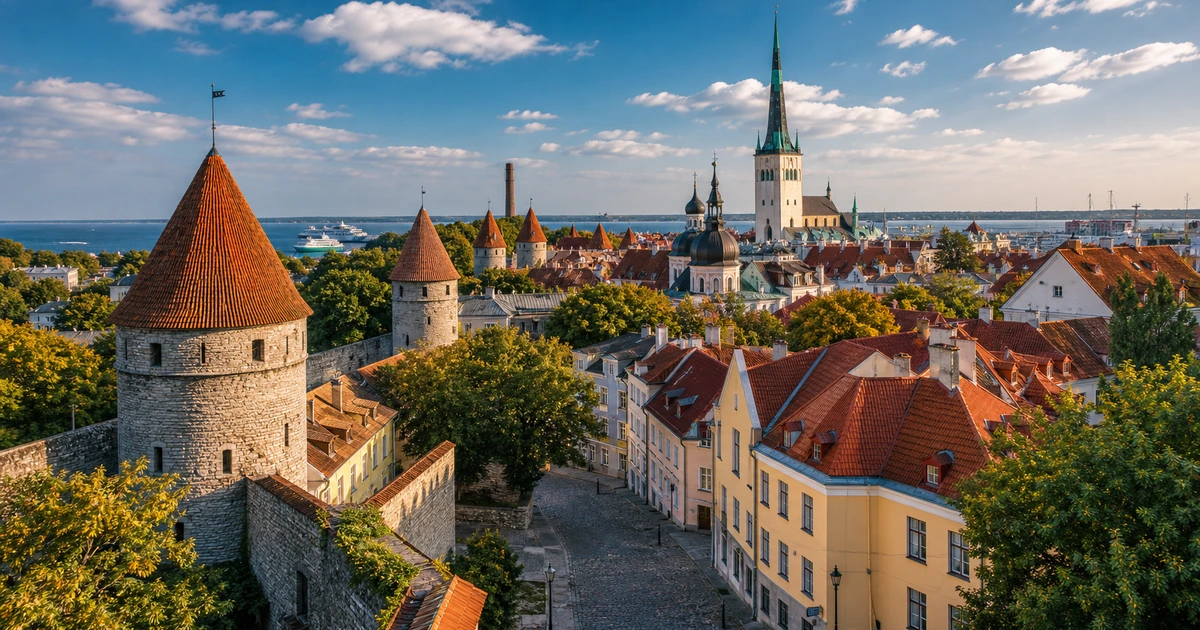
Tallinn
Local time--:--
Europe/TallinnWeather Forecast
Tallinn, EstoniaOpen-Meteo forecast.
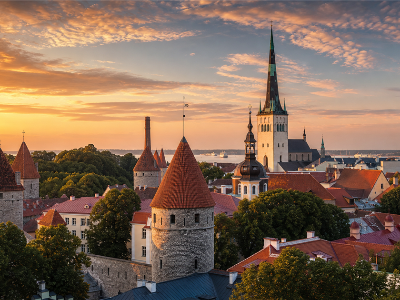
Tallinn city overview
Tallinn is Estonia's compact capital, where medieval walls, Baltic ferries and digital-era energy sit close together. Start in Tallinn Old Town, climb to Toompea Hill for viewpoints, then walk Telliskivi Creative City or the Seaplane Harbour for a newer side of town. Tallinn Airport is close, making short city breaks unusually easy.
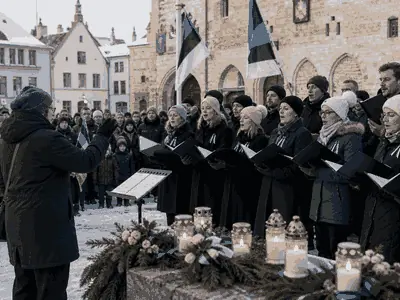
Worth seeing
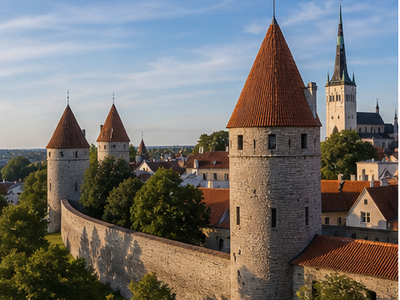
Tallinn Old Town
Tallinn Old Town preserves medieval walls, lanes, churches and squares in one of the Baltic region's strongest historic cores.
View on map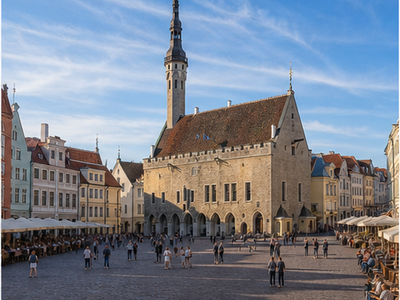
Toompea Hill
Toompea Hill adds outdoor time to a Tallinn stay, with open space, views or waterfront breathing room between denser city sights.
View on map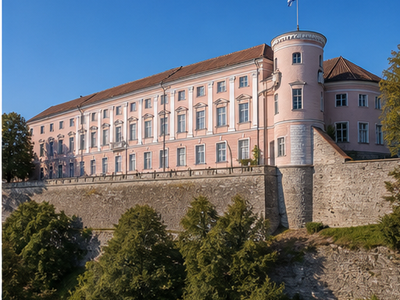
Telliskivi Creative City
Telliskivi Creative City is a named stop in Tallinn worth keeping on the route when it fits the day's transport, timing and neighborhood plan.
View on map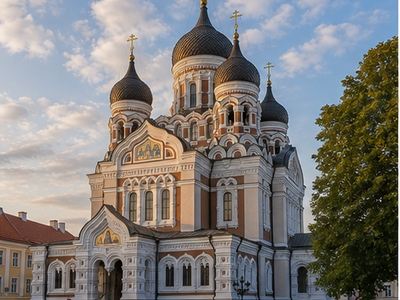
Seaplane Harbour
Seaplane Harbour adds the water-facing side of Tallinn, making it a good break from museums, traffic and dense historic streets.
View on map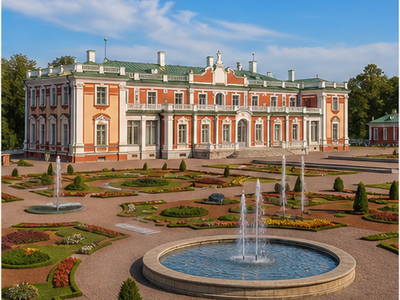
Kadriorg Palace
Kadriorg Palace anchors a green museum district and park east of the centre, built for Peter the Great.
View on map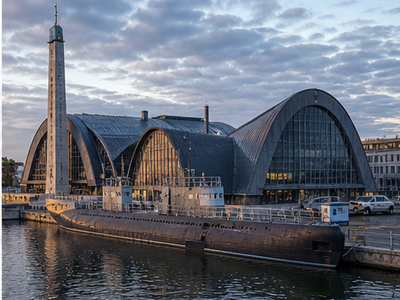
Balti Jaam Market
Balti Jaam Market is useful for reading Tallinn's daily rhythm through food stalls, craft sellers, local errands and short stops between bigger sights.
View on mapStay overview
Stay in Tallinn Old Town for the classic first visit, Rotermann Quarter for modern hotels and harbour access, Telliskivi for cafes and nightlife, or Kadriorg for green space and museum-focused days.
Hotels & areas
Tallinn is small enough that walking works well, but the mood changes by district. Old Town is atmospheric, Rotermann is practical and polished, Telliskivi is social, and Kadriorg is calmer and greener.
Tallinn Old Town
Old Town is the classic first base, with medieval lanes, restaurants, viewpoints and most sights within walking distance.
Best for: first visits, history, walkingSee hotel optionsRotermann Quarter
Rotermann Quarter has modern hotels, restaurants and design shops between Old Town, the harbour and business areas.
Best for: restaurants, design, harbour accessSee hotel optionsTelliskivi
Telliskivi is the creative district for cafes, bars, street art and a more local evening base.
Best for: nightlife, cafes, repeat visitsSee hotel optionsKadriorg
Kadriorg is quieter and greener, close to the palace, art museums and seaside walking routes.
Best for: parks, museums, quiet staysSee hotel optionsFlights & airports
Lennart Meri Tallinn Airport (TLL) arrival plan
- Lennart Meri Tallinn Airport (TLL)About 5 km from the centre
Compare airport access against hotel location, arrival time, rental car pickup, late flights and onward driving before choosing the first night base.
Rental cars
Tallinn day-trip car use
Do not rent for central Tallinn; use a car only for Lahemaa, bog walks or wider Estonia trips.
Compare rental carsTravel tips
Best base
Choose Old Town for a first short stay, or Rotermann if you want newer hotels near the harbour.
Airport tram
Tallinn Airport is close enough that tram and taxi transfers are both simple for most central hotels.
Winter
Winter streets can be icy and dark, so pack warm footwear and plan indoor museum breaks.
Day trip
Lahemaa National Park is the classic nature day trip for bogs, manor houses and Baltic coast scenery.
Nearby ideas
Nature · about 1 h · bus from Tallinn coach station towards Käsmu
Lahemaa National Park
Bog boardwalks, erratic boulders and restored manor houses along a forested coast.
View on mapNature · about 45 min · car west on Route 8 to Rummu
Rummu quarry
A flooded limestone prison quarry with turquoise water over the submerged buildings.
View on mapNature · about 40 min · train to Keila, then bus
Keila-Joa
A six-metre waterfall below a neo-Gothic manor, with suspension bridges through the park.
View on mapCity history
Around 1050 AD, a fortress was built in what is now central Tallinn, on the hill of Toompea.
In 1154, a town called قلون (Qlwn or Quwri) was recorded in the description of the world on the world map (Tabula Rogeriana) commissioned by the Norman King Roger II of Sicily and compiled.
It has been widely considered a historical derivation of Taani-linna, meaning "Danish-castle" (Latin: Castrum Danorum), conceivably because the Danish invaders built the castle in place of the Estonian stronghold after the 1219 battle of.
1229), called the town with the name that is also known to have been used up to the 13th century by Scandinavians: Lindanisa (or Lyndanisse in Danish, Lindanäs in Swedish and Ledenets in Old.
In 1285, Reval became the northernmost member of the Hanseatic League – a mercantile and military alliance of German-dominated cities in Northern Europe.
It was followed by German occupation until the end of World War I in November 1918, after which Tallinn became the capital of independent Estonia.
During World War II, Estonia was first occupied by the Soviet army and annexed to the USSR in the summer of 1940, then occupied by Nazi Germany from 1941 to 1944.
During the most devastating Soviet bombing raid on 9–10 March 1944, more than a thousand incendiary bombs were dropped on the city, which caused large-scale fires, as a result of which 757 people were.
Tallinn became the capital of a de facto independent country once again on 20 August 1991.
The Old Town became a World Heritage Site in 1997, and the city hosted the 2002 Eurovision Song Contest.
Tallinn was the 2011 European Capital of Culture, and is the recipient of the 2023 European Green Capital Award.
The 19th century brought industrialisation of the city and the port kept its importance.
As an important port on a major trade route between Novgorod and western Europe, it became a target for the expansion of the Teutonic Order and the Kingdom of Denmark during the period of.
Reval was arguably the most significant medieval port in the Gulf of Finland.