Forecast
Odense
Local time--:--
Europe/CopenhagenWeather Forecast
Odense, DenmarkOpen-Meteo forecast.
Odense city overview
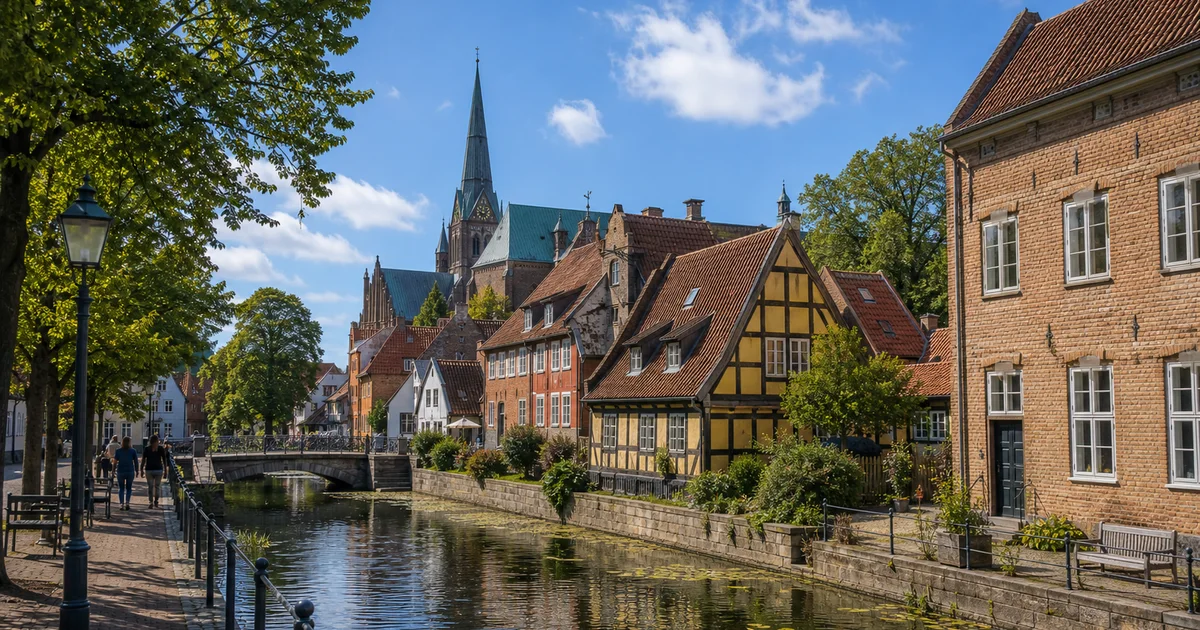
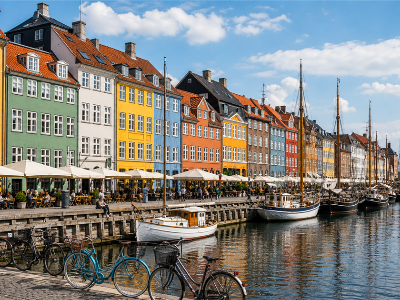
Odense is Funen's main city and the birthplace of Hans Christian Andersen, with museums, parks and an easy-going university-town centre. Begin at Hans Christian Andersen House, add Brandts for art and culture, then use Munke Mose or the Funen Village for a slower afternoon. Most arrivals come by train or through Copenhagen, Billund or nearby Hans Christian Andersen Airport.
Worth seeing
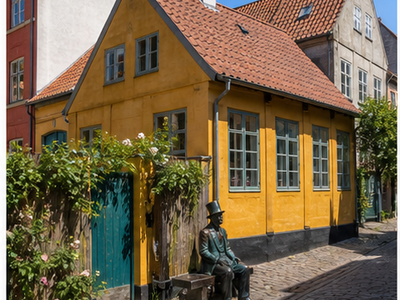
Hans Christian Andersen House
Hans Christian Andersen House is Odense's signature museum, presenting the writer's life through architecture, storytelling and immersive displays.
View on map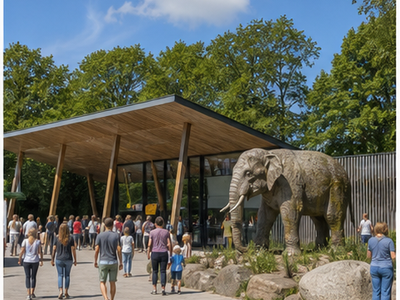
Odense Zoo
Odense Zoo is a major family attraction beside the river, easy to combine with a relaxed city stay.
View on map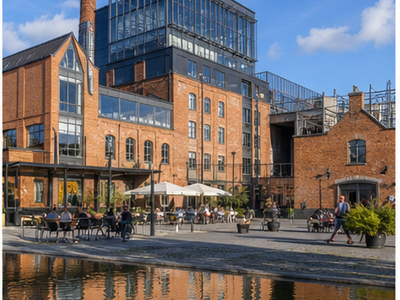
Brandts
Brandts is a named stop in Odense worth keeping on the route when it fits the day's transport, timing and neighborhood plan.
View on map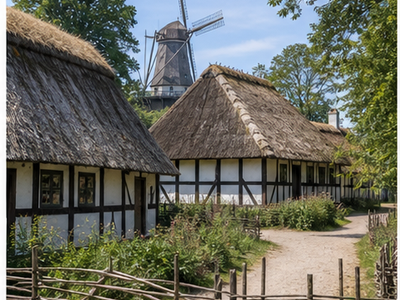
Funen Village
Funen Village is a named stop in Odense worth keeping on the route when it fits the day's transport, timing and neighborhood plan.
View on map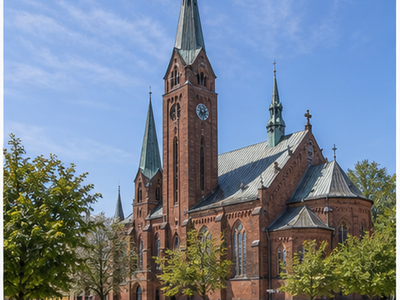
Odense Cathedral
Odense Cathedral is one of Odense's religious landmarks; check visiting hours and dress expectations before building the route around it.
View on map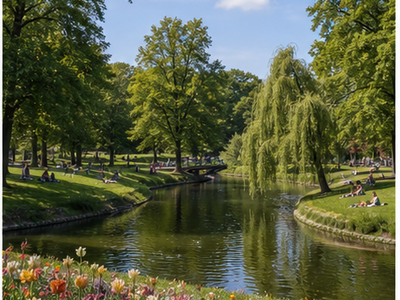
Munke Mose
Munke Mose is a named stop in Odense worth keeping on the route when it fits the day's transport, timing and neighborhood plan.
View on mapStay overview
Odense city centre is the easiest base for Andersen sights and restaurants, Brandts suits culture-led stays, Munke Mose is calmer and greener, and Skibhuskvarteret works for apartments and longer visits.
Hotels & areas
Odense is compact and rail-friendly. Central hotels keep the museums simple, Brandts adds nightlife and culture, Munke Mose suits slower family stays, and Skibhuskvarteret gives a more residential base.
Odense city centre
The centre is best for first stays, with Andersen sights, restaurants, shops and the station close together.
Best for: first visits, museums, restaurantsSee hotel optionsBrandts area
The Brandts area has culture venues, cafes and nightlife on the western side of the central core.
Best for: culture, cafes, nightlifeSee hotel optionsMunke Mose
Munke Mose is a green riverside base for quieter walks, families and easy access back into town.
Best for: parks, families, quiet staysSee hotel optionsSkibhuskvarteret
Skibhuskvarteret offers local streets, apartment stays and good access north of the station.
Best for: apartments, local feel, longer staysSee hotel optionsFlights & airports
Odense Hans Christian Andersen Airport (ODE) arrival plan
- Odense Hans Christian Andersen Airport (ODE)About 10 km from the centre
Compare airport access against hotel location, arrival time, rental car pickup, late flights and onward driving before choosing the first night base.
- Billund Airport (BLL)About 86 km from the centre
Compare airport access against hotel location, arrival time, rental car pickup, late flights and onward driving before choosing the first night base.
Rental cars
Odense day-trip car use
You do not need a car in Odense, but one helps for Funen villages, castles and coastal detours.
Compare rental carsTravel tips
Best base
Stay in the city centre if Hans Christian Andersen House and restaurant walks are the main plan.
Arrival
Odense is often easiest by train, so compare rail routes before choosing a distant airport transfer.
Museums
Keep one indoor culture stop in the Odense plan so rain, heat or short winter daylight do not break the day.
Day trip
Egeskov Castle is the classic Funen outing, best with a car or carefully planned public transport.
Nearby ideas
Heritage · about 40 min · train to Kværndrup, then bus 920
Egeskov Castle
A Renaissance castle standing on oak piles in a lake, with mazes and a vintage car collection.
View on mapHeritage · about 35 min · bus 480 north-east from Odense
Kerteminde and Ladby
A fishing town beside the Ladby ship, a Viking chieftain buried in his vessel with his horses.
View on mapIsland · about 45 min · train south from Odense to Svendborg
Svendborg and the South Funen archipelago
A sailing town with ferries out to Ærø and Tåsinge among a hundred small islands.
View on mapCity history
Archaeological excavations in the vicinity show proof of settlement for over 4,000 years since at least the Stone Age.
The territory, previously part of the vast Archbishopric of Hamburg, was created a Catholic diocese in 988.
Greyfriars Monastery (Gråbrødre Kloster) was founded by the Franciscans in 1279.
In 1720, Frederick IV ordered the rebuilding of Odense Palace, partly on the foundations of the 13th century St.
An 8 kilometre (5.0 mi) long, 7.5 metre (25 ft) deep canal from Odense Harbour to Odense Fjord was built between 1796 and 1806 to facilitate the growth of Odense as a port city.
In 1853 Denmark's first modern water and gas works were opened in Odense.
Commerce was further boosted by the building of a railway across Funen in 1865, and Odense became one of Denmark's largest rail junctions.
Odense Central Library was established in 1924 and removed to Odense station in 1995.
Odinstårnet was blown up by a Danish Nazi group in 1944 and has never been rebuilt.
From the 1960s Odense increasingly became a cultural hub, with the establishment of a university in 1966 and the launching of trade shows, including the large Odense Congress Centre.
In 1988 a major national television network, TV2, was established in Odense.
The first church in Odense appears to have been St Mary's, probably built in the late 12th century.
Glove production, which had begun in the 18th century, developed into one of the most important industries while the harbour facilities were further expanded.
The Vikings built numerous fortifications along the river banks to defend it against invaders coming in from the coast.