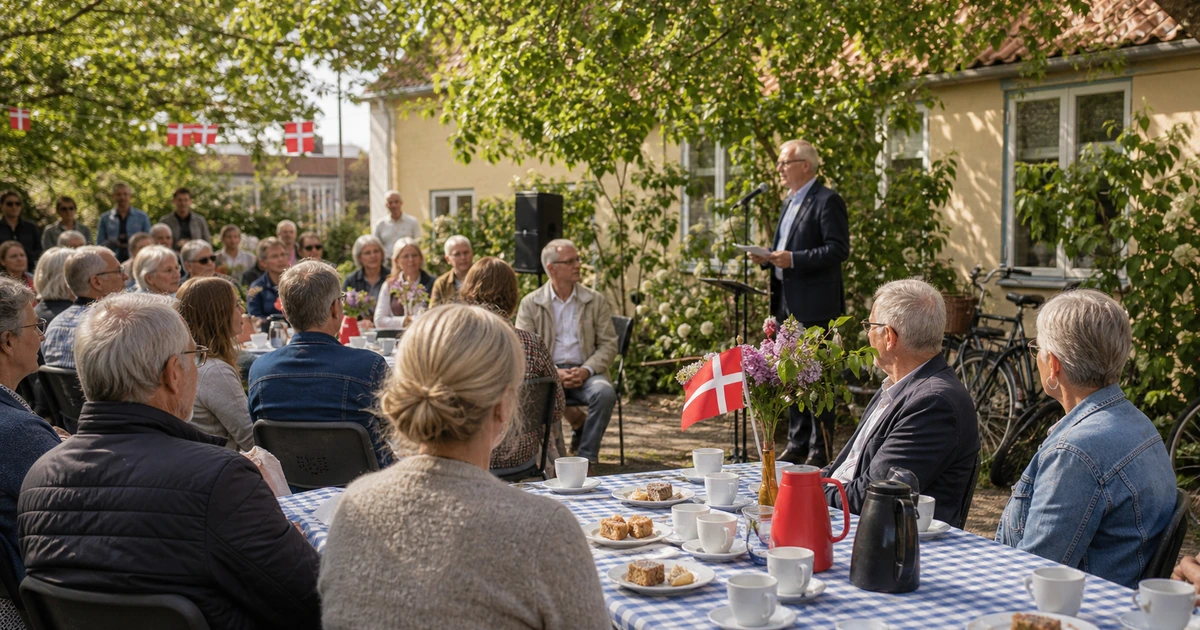
Denmark Constitution Day 2027


More National days
National days topic
Return to the National days index for related events.
About the event
Why Denmark celebrates 5 June On 5 June 1849, King Frederick VII signed the Danish constitution — Grundloven — transforming Denmark from an absolute monarchy into a constitutional monarchy with a parliament elected by male citizens.
The Danish concept of cosiness — candles, good food and comfortable company — a national cultural export.
Why this day
On 5 June 1849, King Frederick VII signed the Danish constitution — Grundloven — transforming Denmark from an absolute monarchy into a constitutional monarchy with a parliament elected by male citizens. The date is celebrated as Constitution Day, though it is also sometimes called Fathers' Day in Denmark since it falls near that occasion.
The 1849 constitution was a major political milestone, ending 200 years of absolute royal rule. It established freedom of speech, freedom of assembly and freedom of religion — values that remain central to Danish society today. The Folketing — the Danish parliament — was established as the legislative body.
Constitution Day in Denmark is a half-day public holiday. Political parties give speeches in parks across the country, particularly at Frederiksberg Gardens in Copenhagen. The day has a political flavour — it is an occasion for public debate about democracy and Danish values rather than purely ceremonial celebration.
Timeline
- 1849Danish constitution signed — absolute monarchy becomes constitutional monarchy
- 1915New constitution gives women and servants the right to vote
- 1953Current constitution adopted — unicameral parliament established
Key figures
Stay for the event
Check-in 4 Jun, check-out 6 Jun 2027 — 2 nights around 5 June 2027. Change the dates to stay longer.
AREA
Find stays in CopenhagenGetting there
- Celebratednationwide
- CapitalCopenhagen
- Time zoneCET (UTC+1)
Host country
- Currency: Danish krone
- Language: Danish
- Driving: on the right
- Capital: Copenhagen
- Phone: +45
- Emergency: 112
- Electricity: 230 V, 50 Hz, plugs C/E/F/K
What to eat
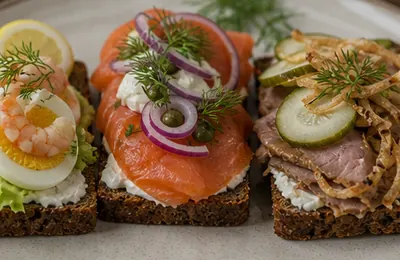 Smørrebrød
Open-faced rye bread sandwiches topped with herring, roast beef, liver pâté or shrimp — the definitive Danish lunch.
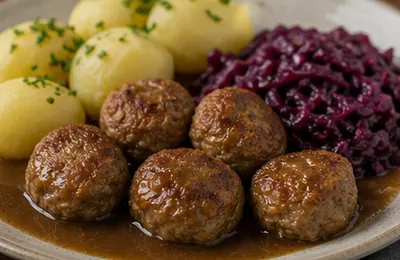 Frikadeller
Danish pork and veal meatballs fried in butter — served with new potatoes and red cabbage.
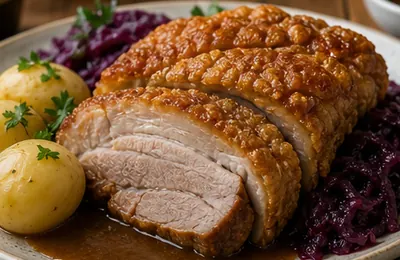 Flæskesteg
Crispy roast pork with crackling — served with red cabbage and boiled potatoes at festive dinners.
 Wienerbrød
Danish pastry — layers of buttery dough filled with custard, jam or almond paste. Known outside Denmark as a Danish.
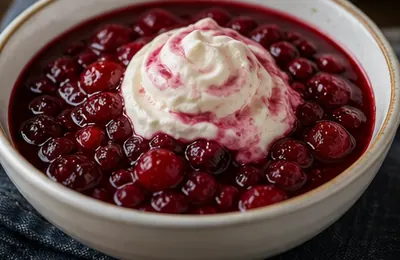 Rødgrød med fløde
Red berry pudding with cream — a classic Danish summer dessert that is notoriously difficult to pronounce.
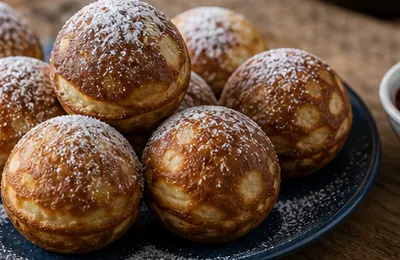 Æbleskiver
Round pancake balls cooked in a special cast-iron pan — served with jam and powdered sugar at Christmas and fairs.
What to drink
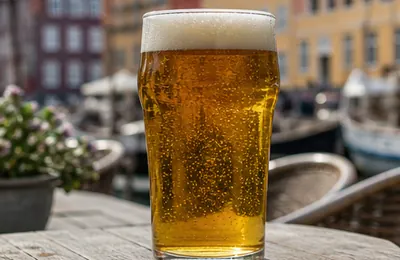 Carlsberg beer
Denmark's iconic lager — brewed in Copenhagen since 1847 and one of the world's most recognised brands.
 Snaps
SnapsDanish aquavit — caraway or dill-flavoured grain spirit served ice-cold alongside herring and smørrebrød.
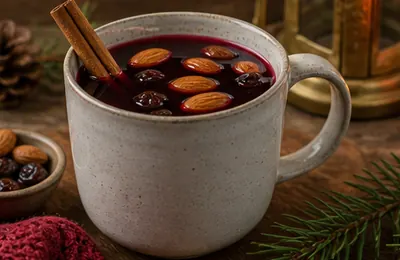 Gløgg
GløggDanish mulled wine with cardamom, cinnamon, raisins and almonds — the Christmas and winter drink.
Culture & traditions
 Hygge
HyggeThe Danish concept of cosiness — candles, good food and comfortable company — a national cultural export.
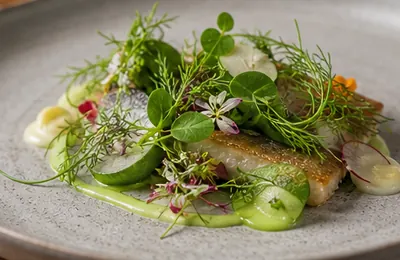 New Nordic cuisine
Noma and Copenhagen's restaurant scene have made Denmark one of the world's leading food destinations.
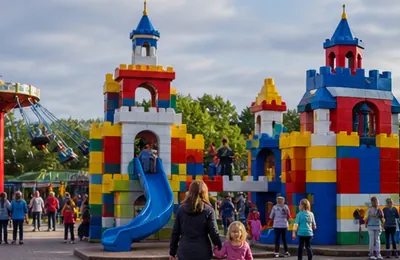 Legoland
Denmark is the birthplace of Lego — the Billund theme park draws visitors from across the world.
 Viking heritage
Denmark was the launching pad for Viking expeditions across Europe — Roskilde Viking Ship Museum preserves this history.
Coming years
Denmark Constitution Day 2028
- Monday 5 June 2028Next event date
Denmark Constitution Day 2029
- Tuesday 5 June 2029Event date
Denmark Constitution Day 2030
- Wednesday 5 June 2030Event date