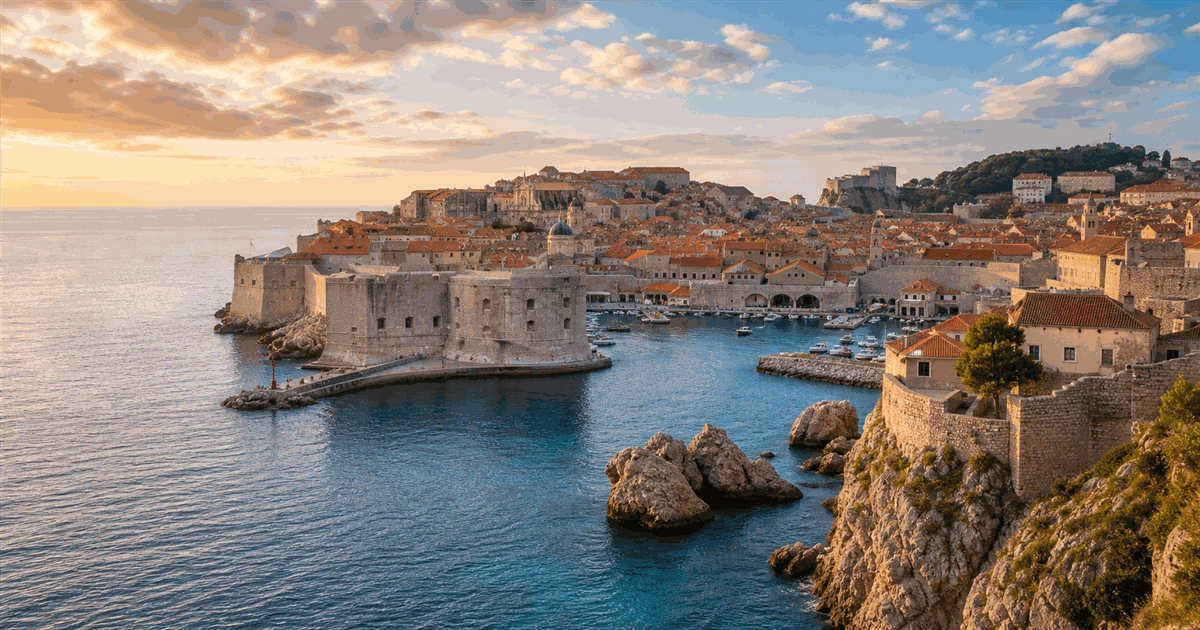

Croatia
History
Croat groups settled the Adriatic hinterland and formed the first duchies.
A kingdom was proclaimed, placing monarchy at the centre of Croatia's state authority.
Croatia entered a personal union with Hungary that lasted centuries.
Croatia joined Habsburg Monarchy, tying the country more closely to that regional or international organisation.
Secession from Austria-Hungary changed control of the territory.
The creation of Yugoslavia tied Croatia into a new South Slavic state.
Croatia became a constituent republic of socialist Yugoslavia.
Croatia declared independence from Yugoslavia, and war followed.
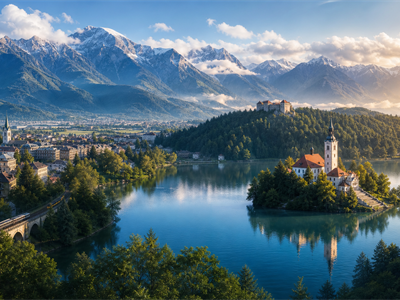 Part ofEuropeMore countries, cities and routes.
Short facts
RegionSoutheast Europe
LanguageCroatian
Time zoneCET (UTC+1)
Drives onRight
Worth seeing
- Dubrovnik: A walled Old Town on the Adriatic, UNESCO listed and a Game of Thrones location.
- Plitvice Lakes: Cascading turquoise lakes and waterfalls in a UNESCO national park.
- Dalmatian Islands: Hvar, Brac and Korcula offer beaches, vineyards and medieval villages.
Find a city in Croatia
Showing all cities
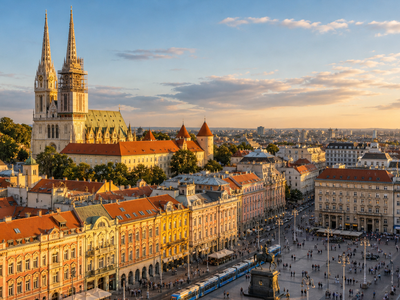 Zagreb
Planning questions
What is Croatia known for?Dubrovnik, Plitvice Lakes, Dalmatian Islands.
What is the capital?Zagreb.
Which language is useful?Croatian.
When is the national day?30 May.
Upcoming events
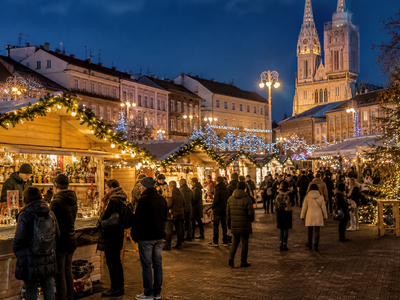 Advent in Zagreb1 November 2026 – 31 December 2026 — Zagreb — Croatia
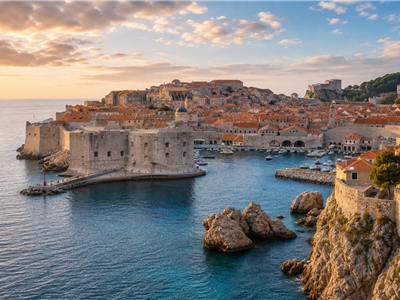 Croatia Statehood Day30 May 2027 — Across Croatia — Croatia
Use Zagreb as the first planning anchor for Croatia, then compare the city, food and worth-seeing notes on this page.
Food & drink
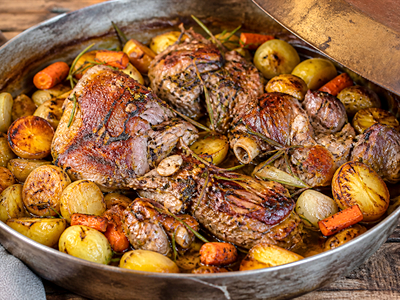 Peka
Peka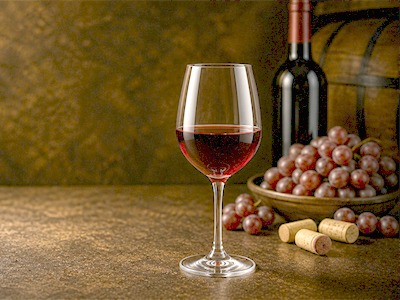 Wine
WineKnown for
DubrovnikUNESCO listedPlitvice LakesDalmatian IslandsHvarBracKorcula offer beachesvineyards
 Nature & places