Croatia Statehood Day 2027


More National days
National days topic
Return to the National days index for related events.
About the event
The parliament would go on to declare independence from Yugoslavia in June 1991, but 30 May was chosen as the symbolic moment when Croatian democracy and sovereignty were re-established after decades of communist rule.
Walking the medieval walls of Dubrovnik's Old City — a UNESCO World Heritage site and one of Europe's finest.
Why this day
Croatia marks Statehood Day on 30 May — the date in 1990 when the first multi-party Croatian parliament was inaugurated after free elections. The parliament would go on to declare independence from Yugoslavia in June 1991, but 30 May was chosen as the symbolic moment when Croatian democracy and sovereignty were re-established after decades of communist rule.
Croatia's history as a state stretches back to the medieval Kingdom of Croatia founded in the 9th century. The country later entered into union with Hungary and later the Habsburg Empire before becoming part of Yugoslavia in 1918 and again in 1945. Independence in 1991 was followed by the Homeland War, which ended with full reintegration of all Croatian territory in 1998.
Statehood Day is marked with a ceremonial session of the Croatian parliament in Zagreb, wreath-laying at memorials and cultural events. The Adriatic coast, with its ancient Roman and Venetian heritage, fills with concerts and outdoor celebrations in the warm late-May weather.
Timeline
- 925Tomislav crowned as first King of Croatia
- 1991Croatian parliament declares independence from Yugoslavia
- 1992Croatia internationally recognised as independent state
Stay for the event
Check-in 29 May, check-out 31 May 2027 — 2 nights around 30 May 2027. Change the dates to stay longer.
AREA
Find stays in ZagrebGetting there
- Celebratednationwide
- CapitalZagreb
- Time zoneCET (UTC+1)
Host country
- Currency: euro
- Language: Croatian
- Driving: on the right
- Capital: Zagreb
- Phone: +385
- Emergency: 112
- Electricity: 230 V, 50 Hz, plugs C/F
What to eat
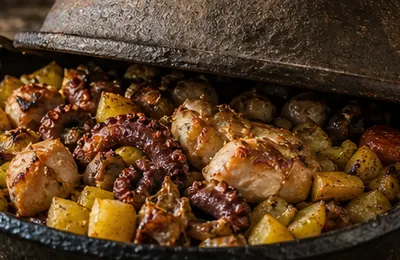 Peka
PekaLamb, veal or octopus slow-cooked under a bell-shaped lid covered with embers — the definitive Croatian celebration dish.
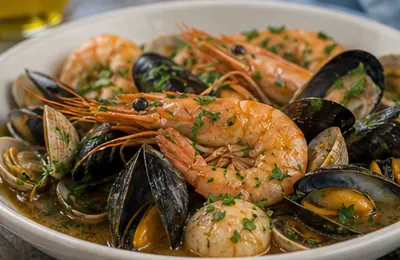 Buzara
Mussels or prawns cooked in white wine, garlic, breadcrumbs and parsley — a Dalmatian classic.
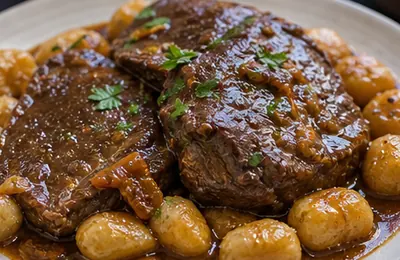 Pašticada
Slow-braised beef in a sweet and sour sauce of dried plums, wine and vegetables — a Dalmatian wedding dish.
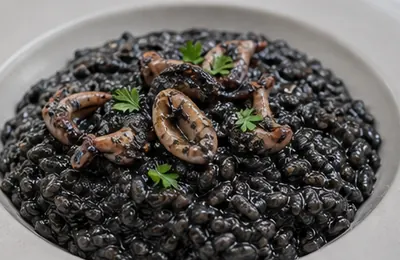 Crni rižot
Black risotto made with squid ink, squid and onion — a spectacular and deeply flavoured Adriatic dish.
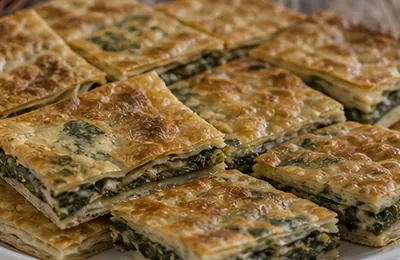 Soparnik
Thin pastry filled with chard, garlic and parsley — a traditional dish from the Dalmatian hinterland.
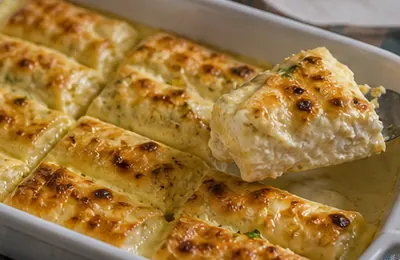 Štrukli
Boiled or baked pastry rolls filled with cottage cheese — the comfort food of continental Croatia.
What to drink
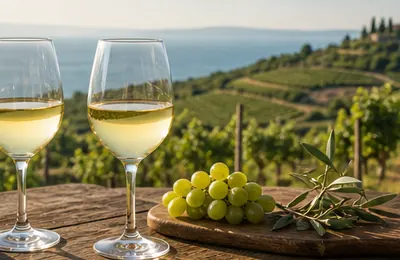 Malvazija
Crisp Istrian white wine with a subtle mineral finish — made from ancient grape varieties on the Istrian peninsula.
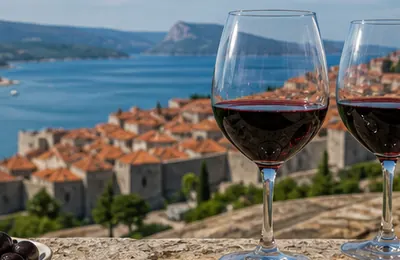 Plavac Mali
Full-bodied Dalmatian red wine — grown on steep terraced vineyards above the Adriatic.
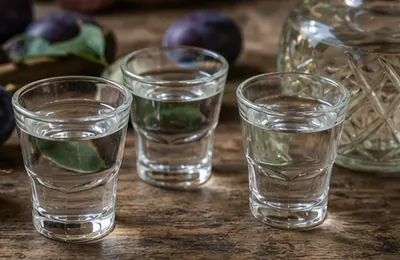 Rakija
Croatian fruit brandy — travarica (herb) or šljivovica (plum) are the most traditional varieties.
Culture & traditions
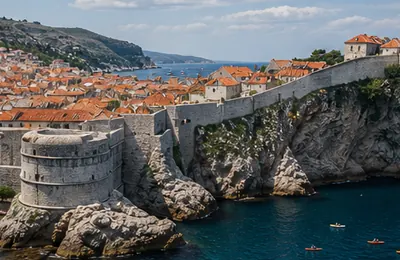 Dubrovnik walls
Walking the medieval walls of Dubrovnik's Old City — a UNESCO World Heritage site and one of Europe's finest.
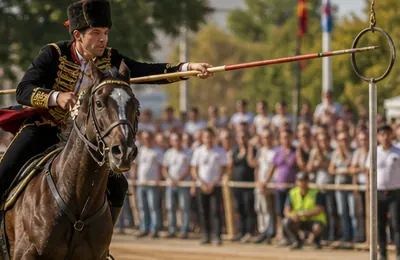 Sinjska alka
Annual jousting tournament in Sinj dating from 1715 — commemorating a Croatian victory over Ottoman forces.
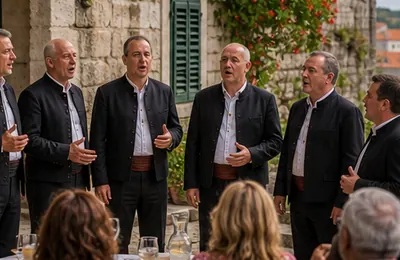 Klapa music
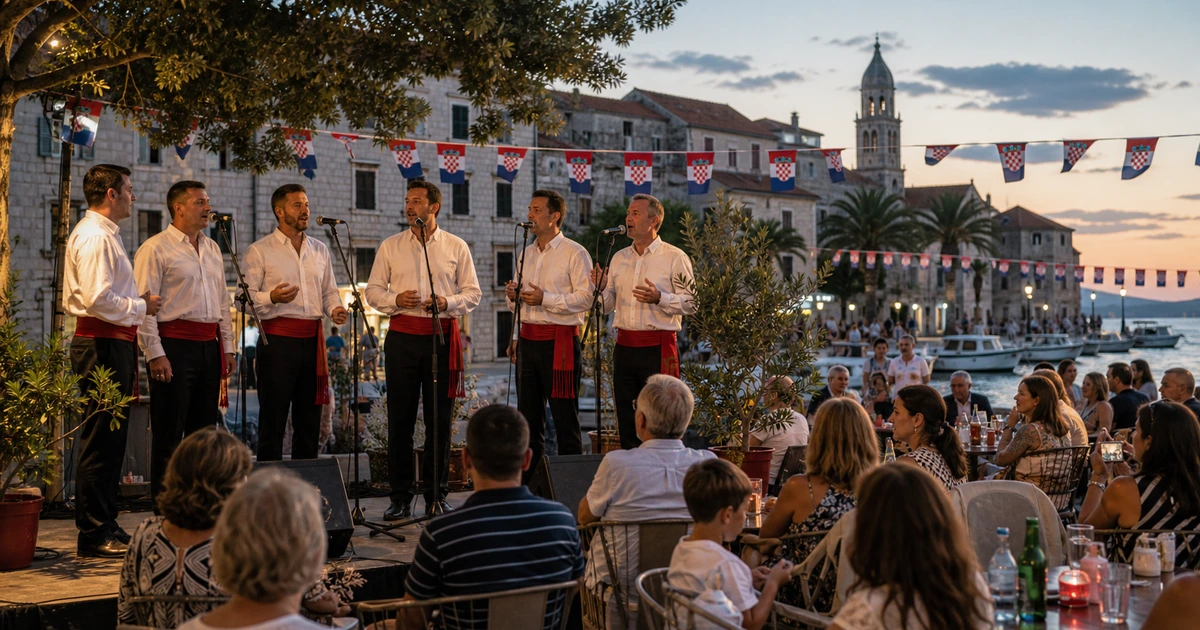
UNESCO-listed a cappella choral singing from Dalmatia — performed at festivals and national events.
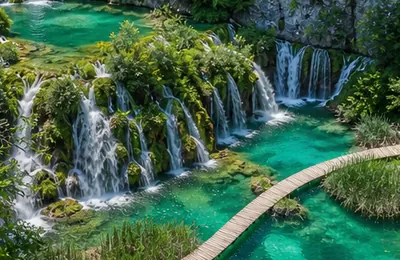 Plitvice Lakes
UNESCO World Heritage site — turquoise lakes and waterfalls in the forested Croatian interior.
Coming years
Croatia Statehood Day 2028
- Tuesday 30 May 2028Next event date
Croatia Statehood Day 2029
- Wednesday 30 May 2029Event date
Croatia Statehood Day 2030
- Thursday 30 May 2030Event date