Forecast
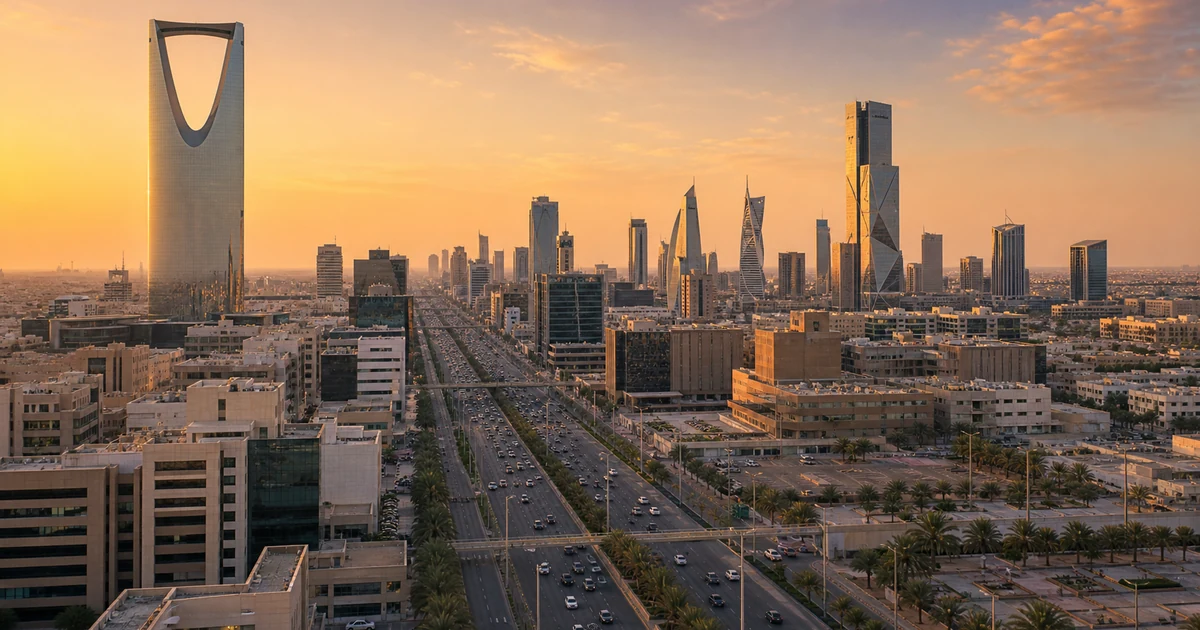
Riyadh
Local time--:--
Asia/RiyadhWeather Forecast
Riyadh, Saudi ArabiaOpen-Meteo forecast.
Riyadh city overview
Riyadh works best as a base in Saudi Arabia when you anchor days around Masmak Fortress, Kingdom Centre Tower and National Museum of Saudi Arabia. Use those sights to understand the city's history, street life and visitor rhythm. Riyadh King Fahd handles the main arrival flow, so hotel choice should balance the centre, transfer time and day-trip plans.

Worth seeing
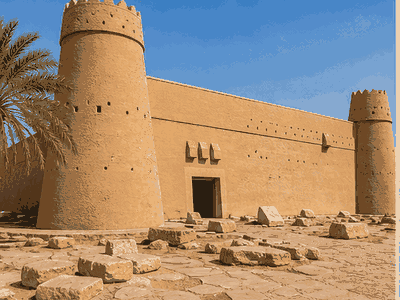
Masmak Fortress
Masmak Fortress is a clear heritage marker in Riyadh, best used as a fixed point when grouping nearby streets, monuments and viewpoints.
View on map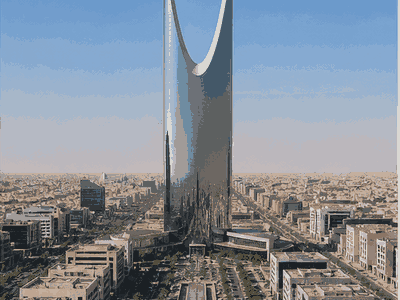
Kingdom Centre Tower
Kingdom Centre Tower gives Riyadh a strong culture stop for museums, exhibitions or local collections, and works best as an indoor anchor in the day's route.
View on map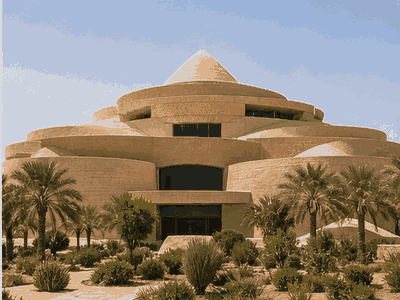
National Museum of Saudi Arabia
National Museum of Saudi Arabia is a key Riyadh culture stop, useful for understanding local history, collections and rainy-day planning near the main sightseeing route.
View on map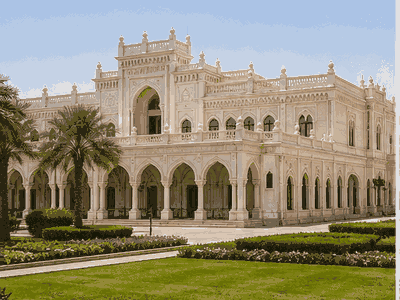
Al Murabba Palace
Al Murabba Palace anchors the historic and ceremonial side of Riyadh, making it a practical stop for architecture, local memory and orientation.
View on map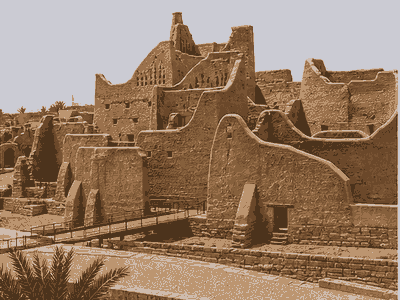
Diriyah
Diriyah is a named stop in Riyadh worth keeping on the route when it fits the day's transport, timing and neighborhood plan.
View on map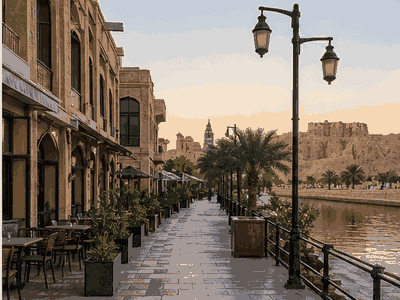
Al Bujairi Terrace
Al Bujairi Terrace is a named stop in Riyadh worth keeping on the route when it fits the day's transport, timing and neighborhood plan.
View on mapStay overview
Start with City centre for the easiest first Riyadh stay, then compare Old Town and Waterfront when price, nightlife, quieter evenings or transfer timing matter more than being beside every major sight.
Hotels & areas
Riyadh hotel choice is mostly about repeat journeys: use City centre for sightseeing, Old Town for a different local base, and Waterfront or Airport area when views, parking, airport timing or longer stays matter.
City centre
City centre is the most practical first base in Riyadh, keeping main sights, restaurants and short local transfers close.
Best for: first visits, sightseeing, restaurantsSee hotel optionsOld Town
Old Town is the most practical first base in Riyadh, keeping main sights, restaurants and short local transfers close.
Best for: first visits, sightseeing, restaurantsSee hotel optionsWaterfront
Waterfront suits travellers who want views, evening walks and a calmer base while still keeping central Riyadh reachable.
Best for: views, quieter evenings, walksSee hotel optionsAirport area
Airport area works mainly for early departures, late arrivals or car pickup, not for a first Riyadh sightseeing base.
Best for: early flights, late arrivals, car pickupSee hotel optionsFlights & airports
King Khalid International Airport (RUH) arrival plan
- King Khalid International Airport (RUH)About 30 km from the centre
Compare airport access against hotel location, arrival time, rental car pickup, late flights and onward driving before choosing the first night base.
Rental cars
Riyadh day-trip car use
Do not rent a car for central Riyadh unless parking and traffic are part of the plan; use one mainly for regional day trips.
Compare rental carsTravel tips
Best base
Choose City centre for a first stay because it keeps main sights, restaurants and practical local movement close.
Airport timing
Leave extra time for Riyadh King Fahd, especially for early flights, late arrivals, traffic or unfamiliar transfer routes.
Local movement
Plan each day in clusters around Masmak Fortress and Kingdom Centre Tower so transfers do not consume the best sightseeing hours.
Day trips
Keep one flexible slot for nearby routes from Riyadh, checking weather, transport and opening hours before committing.
Nearby ideas
Nature · about 1 h 15 min · 4x4 with a guide, north-west via the Tuwaiq escarpment
Edge of the World
A cliff edge dropping 300 metres onto what was once a seabed; the track needs high clearance.
View on mapPark · about 30 min · car west from the city centre
Wadi Hanifah
A 120-kilometre valley rehabilitated into parkland with walking paths and picnic terraces.
View on mapNature · about 45 min · car north on the Qassim road
Al Thumamah National Park
Desert camping ground where Riyadh goes at weekends in winter, with dunes and camel pens.
View on map
City history
Al-Yamama broke away from the Abbasid in 866 and the area fell under the rule of the Banu Ukhaidhir, who moved the capital from Hajr to nearby Al-Kharj.
The earliest known reference to the area by the name Riyadh comes from a 17th-century chronicler reporting on an event from the year 1590.
In 1737, Dahham ibn Dawwas, a refugee from neighboring Manfuhah, took control of Riyadh.
During the Pre-Islamic era, the city at the site of modern Riyadh was called Hajr (Arabic: حجر), and was reportedly founded by the tribe of Banu Hanifa.
In the 14th century, North African traveler Ibn Battuta wrote of his visit to Hajr, describing it as "the main city of Al-Yamama, and its name is Hajr".
Hajr served as the capital of the province of Al-Yamama, whose governors were responsible for most of central and eastern Arabia during the Umayyad Caliphate and Abbasid Caliphate eras.
Ibn Battuta goes on to describe it as a city of canals and trees with most of its inhabitants belonging to the Banu Hanifa, and reports that he continued on with their leader to.
Later on, Hajr broke up into several separate settlements and estates.
The most notable of these were Migrin (or Muqrin) and Mi'kal, though the name Hajr continued to appear in local folk poetry.
Ibn Dawwas built a single wall to encircle the various oasis towns in the area, making them effectively a single fortress city.