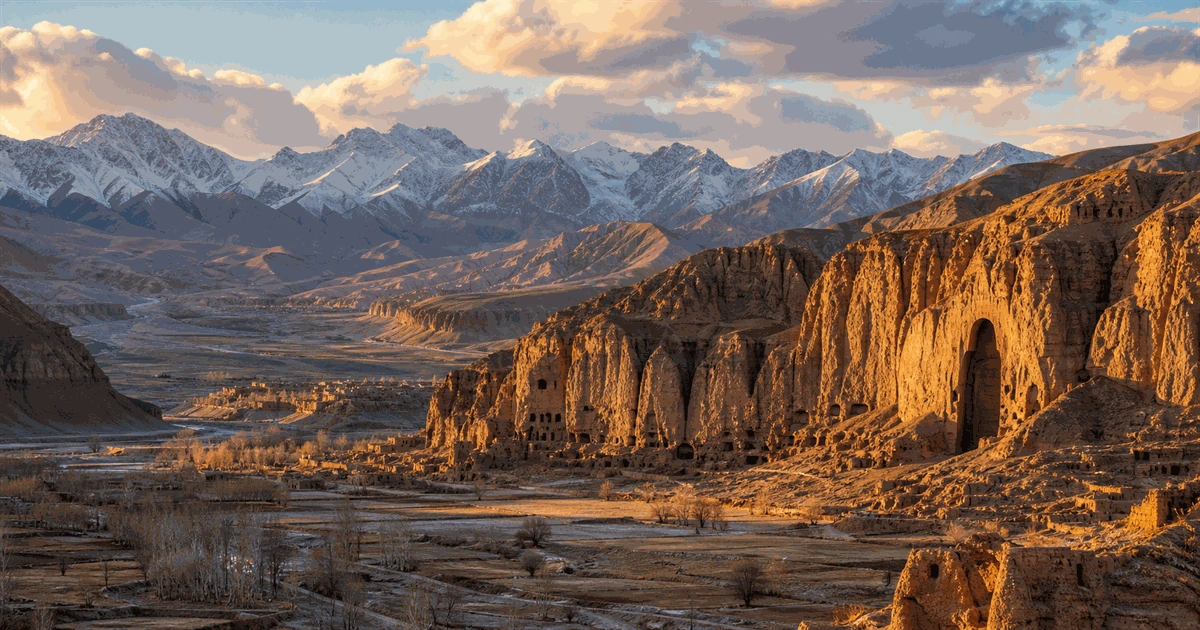

Afghanistan
History
Mirwais Hotak's revolt at Kandahar founded the Hotak emirate and broke Safavid control.
Ahmad Shah Durrani was elected at Kandahar and founded the Durrani empire.
The Barakzai dynasty took Kabul and ruled Afghanistan until 1973.
Dost Mohammad Khan died having reunified the Afghan lands under Barakzai rule.
Afghanistan became independent, marking the start of modern sovereign statehood.
A kingdom was proclaimed, placing monarchy at the centre of Afghanistan's state authority.
Afghanistan became a republic, replacing the previous constitutional arrangement.
The Saur Revolution installed a communist government and led to Soviet intervention.
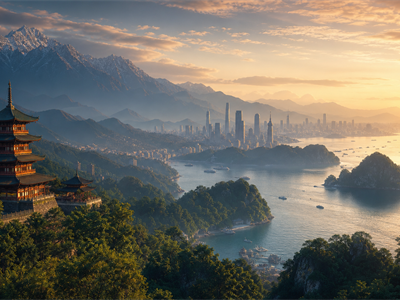 Part ofAsiaMore countries, cities and routes.
Short facts
RegionCentral Asia / South Asia
LanguageDari, Pashto
Time zoneAFT (UTC+4:30)
Drives onRight
Worth seeing
- Band-e-Amir: Stunning turquoise lakes in a remote canyon, Afghanistan's first national park.
- Bamiyan Valley: Site of the destroyed giant Buddhas, with dramatic cliff dwellings and history.
- Wakhan Corridor: Remote mountain corridor between Tajikistan and Pakistan, ancient Silk Road route.
Find a city in Afghanistan
Showing all cities
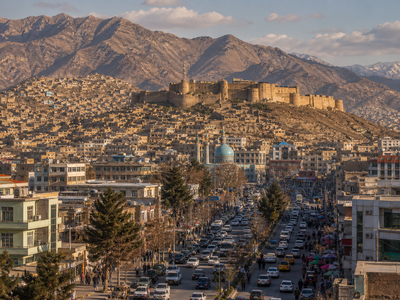 Kabul
KabulPlanning questions
What is Afghanistan known for?Band-e-Amir, Bamiyan Valley, Wakhan Corridor.
What is the capital?Kabul.
Which language is useful?Dari, Pashto.
When is the national day?19 August.
How should I browse it here?Start with the facts, jump to linked cities, then check events and topics.
Upcoming events
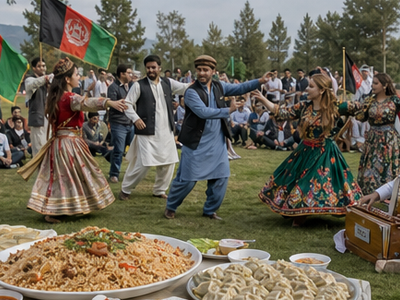 Afghanistan National Day19 August 2027 — Across Afghanistan — Afghanistan
Use Kabul as the first planning anchor for Afghanistan, then compare the city, food and worth-seeing notes on this page.
Food & drink
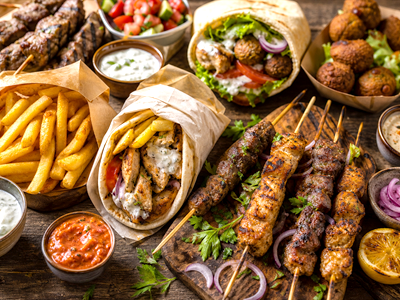 Street food
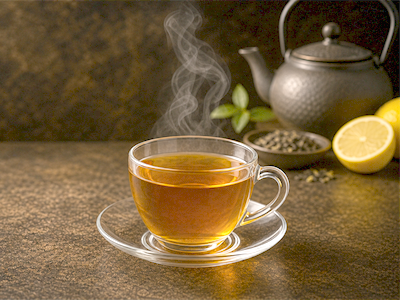 Tea
TeaKnown for
Band-e-AmirBamiyan ValleyWakhan CorridorKabulStreet foodTea
 Music & Culture