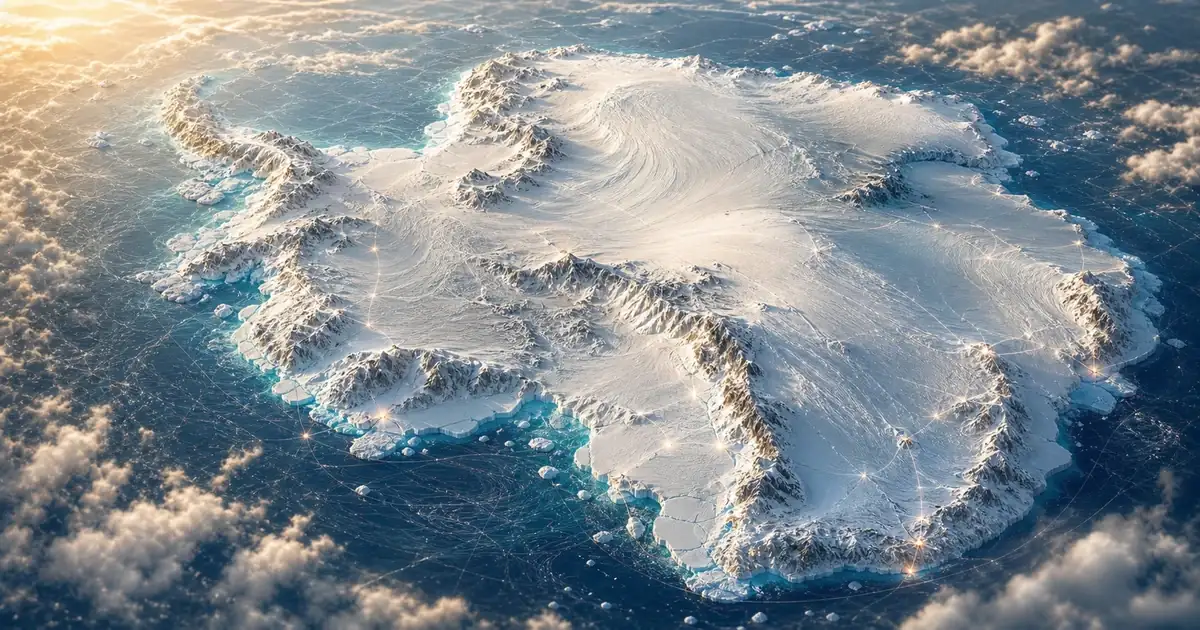
Continent
Antarctica
Ice shelves, research stations, expedition cruises and polar wildlife. Antarctica is browsed by expedition routes rather than countries.
How Antarctica fits together
Antarctica has long-running regional routes, ports, inland corridors and cultural centers.
Air links, city hubs and regional gateways shape how visitors move today.
Antarctica works best as practical country groups rather than one long alphabetical list.
 Part ofWorld locationsMore continents, countries and cities.
Countries / areas0
PopulationSee country pages
AreaSee country pages
Best forExpeditions, ice, wildlife
Browse by subregion
Listed countries / areasNo countries
Country groups0
Largest countrySee country pages
Time zonesSee country pages
Route logic
- Peninsula: Most visitor routes approach the Antarctic Peninsula by expedition ship.
- Ross Sea: Longer expedition routes with historic exploration sites.
- Interior: Research, logistics and specialist expedition routes.
Countries by region
Filter by group, then sort countries by population, area or Big Mac Index.
Global events in Antarctica
Known for
Ice shelvesResearch stationsPenguin coloniesPolar cruisesExtreme seasonsScientific routesProtected wildernessRemote travel
Planning read
How should I browse Antarctica?Start with the country groups, then open a country page for cities, events, food and travel context.
What is the useful split?Use the regional groups to compare nearby countries and routes without scanning one long list.
Where do events fit?Country pages show local event cards; this continent page gives a quick cross-continent entry point.
Last updated15 June 2026.