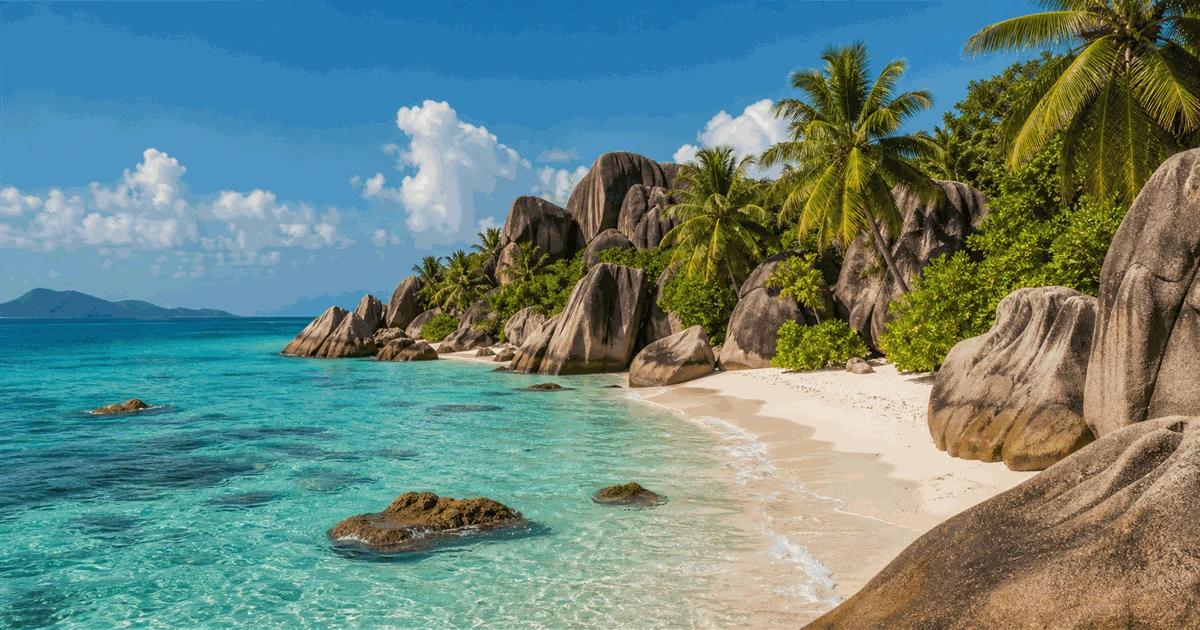

Seychelles
History
France claimed the uninhabited islands and began settlement.
Britain took control at the Treaty of Paris.
Independence came on 29 June.
One-party rule followed a coup, before multi-party elections returned.
A first opposition presidential victory brought a peaceful transfer of power.
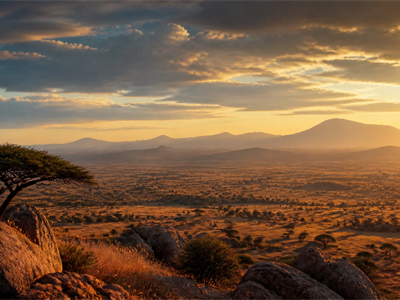 Part ofAfricaMore countries, cities and routes.
Short facts
RegionEast Africa / Indian Ocean Africa
LanguageSeychellois Creole, English
Time zoneSCT (UTC+4)
Drives onLeft
Worth seeing
- Vallee de Mai: A palm forest holding the coco de mer, a UNESCO World Heritage site.
- Anse Source d'Argent: Granite boulders and shallow water on La Digue.
- Aldabra Atoll: The world's second-largest coral atoll, with giant tortoises, a UNESCO site.
Find a city in Seychelles
Showing all cities
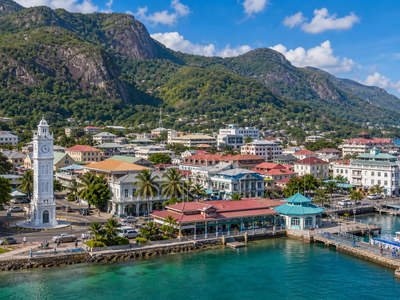 Victoria
Planning questions
What is Seychelles known for?Vallee de Mai, Anse Source d'Argent, Aldabra Atoll.
What is the capital?Victoria.
Which language is useful?Seychellois Creole, English.
When is the national day?29 June.
How should I browse it here?Start with the facts, jump to linked cities, then check events and topics.
Upcoming events
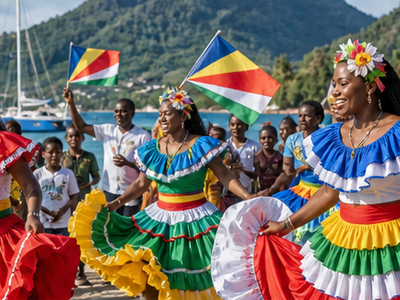 Seychelles National Day29 June 2027 — Across Seychelles — Seychelles
Use Victoria as the first planning anchor for Seychelles, then compare the city, food and worth-seeing notes on this page.
Food & drink
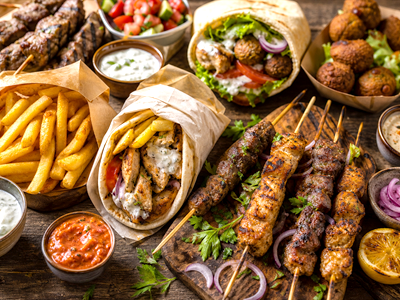 Street food
 Coffee
Known for
Vallee de MaiAnse Source d'ArgentAldabra AtollVictoriaStreet foodCoffee
 Music & Culture