Forecast
Sao Tome
Local time--:--
Africa/Sao_TomeWeather Forecast
Sao Tome, Sao Tome and PrincipeOpen-Meteo forecast.
Sao Tome city overview
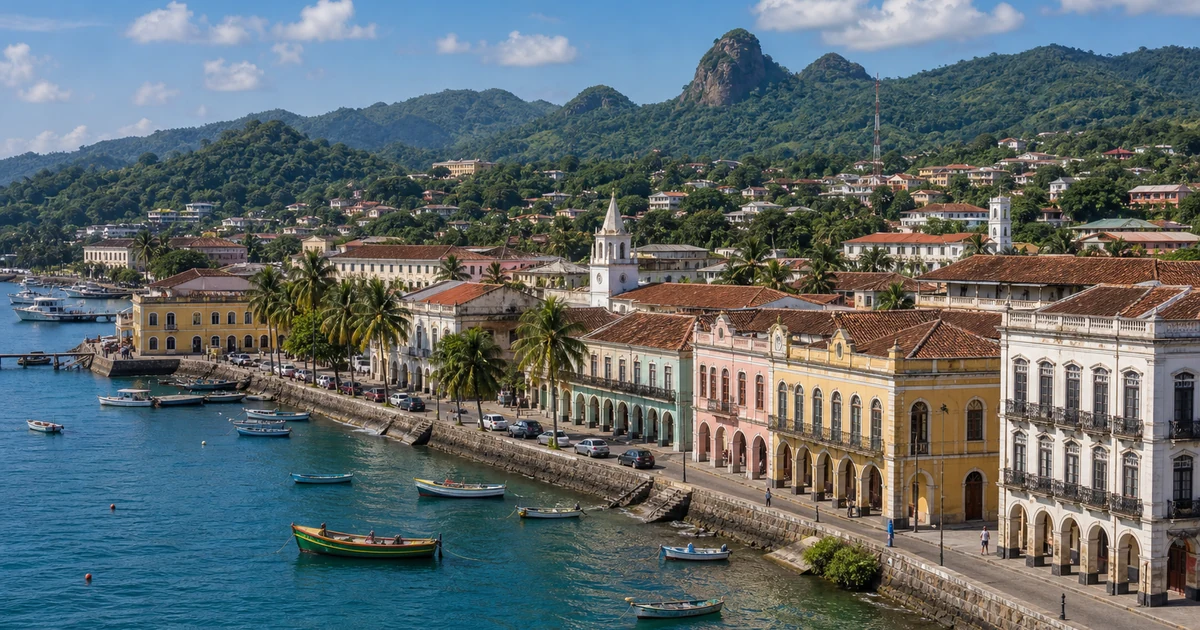
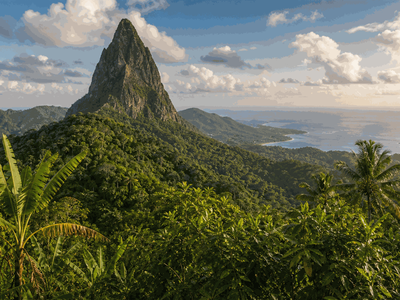
Sao Tome is the compact seafront capital of Sao Tome and Principe, a Portuguese-colonial town wrapped in cocoa plantations and equatorial rainforest. First-time visitors should explore Fort São Sebastião's National Museum, admire the towers of the Sé Cathedral, and relax on the in-town sands of Praia Lagarto. São Tomé International Airport sits minutes from the centre, making this one of Africa's easiest island capitals to reach and explore on foot.
Worth seeing
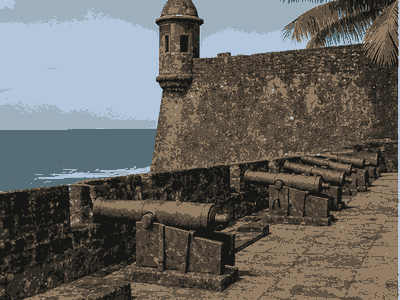
Sao Sebastiao Fort
Sao Sebastiao Fort is a clear heritage marker in Sao Tome, best used as a fixed point when grouping nearby streets, monuments and viewpoints.
View on map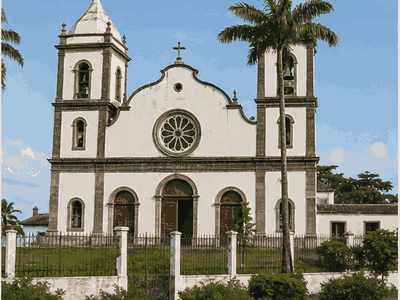
Sao Tome Cathedral
Sao Tome Cathedral anchors the historic and ceremonial side of Sao Tome, making it a practical stop for architecture, local memory and orientation.
View on map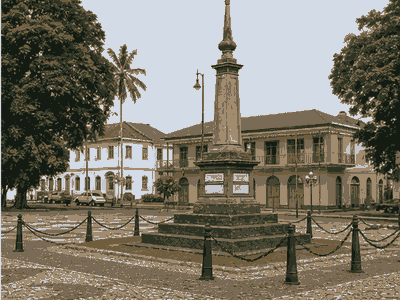
Independence Square Sao Tome
Independence Square Sao Tome is a clear heritage marker in Sao Tome, best used as a fixed point when grouping nearby streets, monuments and viewpoints.
View on map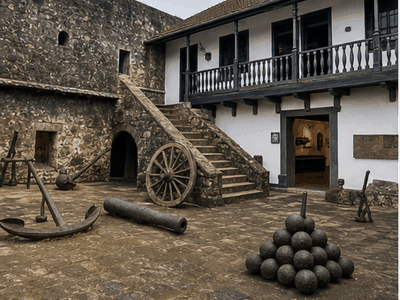
National Museum of Sao Tome
National Museum of Sao Tome is a key Sao Tome culture stop, useful for understanding local history, collections and rainy-day planning near the main sightseeing route.
View on map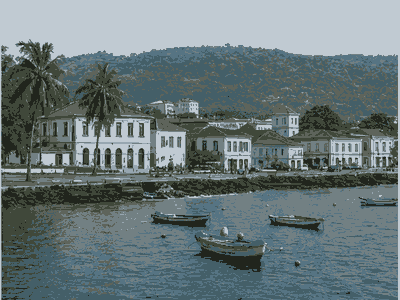
Ana Chaves Bay
Ana Chaves Bay adds the water-facing side of Sao Tome, making it a good break from museums, traffic and dense historic streets.
View on map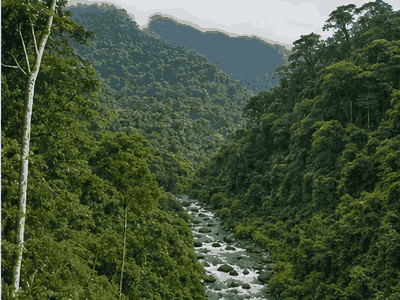
Obo National Park
Obo National Park adds outdoor time to a Sao Tome stay, with open space, views or waterfront breathing room between denser city sights.
View on mapStay overview
Base in Baixa for an easy first stay near the fort, cathedral and market, or choose Praia Lagarto for beachfront hotels a short walk from downtown. Riboque suits quieter stays near embassies, while Pantufo offers a slower, seafood-focused base by the water.
Hotels & areas
Sao Tome hotel choice depends on priorities: Baixa suits first-time visitors wanting colonial architecture and museums within walking distance, Praia Lagarto suits beach-focused stays, and Riboque or Pantufo suit travelers wanting a quieter, more local base.
Baixa (Historic Centre)
Baixa is Sao Tome's colonial-era centre, packed with pastel administrative buildings, the fort, cathedral and central market, ideal for walking.
Best for: first visits, history, walkingSee hotel optionsPraia Lagarto
Praia Lagarto is the city's in-town beach strip, lined with hotels and restaurants a short walk from the historic centre.
Best for: beach access, hotelsSee hotel optionsRiboque
Riboque is a quieter residential district east of the centre, home to embassies and guesthouses away from downtown traffic.
Best for: quiet stays, embassiesSee hotel optionsPantufo
Pantufo is a fishing village on the coast just outside the city, good for fresh seafood and a slower pace by the water.
Best for: seafood, relaxed staysSee hotel optionsFlights & airports
São Tomé International Airport (TMS) arrival plan
- São Tomé International Airport (TMS)About 5 km from the centre
Compare airport access against hotel location, arrival time, rental car pickup, late flights and onward driving before choosing the first night base.
Rental cars
Sao Tome day-trip car use
A rental car or driver is useful for reaching cocoa plantations and beaches around the island, since the small capital itself is easily walked.
Compare rental carsTravel tips
Best base
Choose Baixa or Praia Lagarto for an easy first stay within walking distance of the fort, cathedral and beachfront restaurants.
Cocoa plantation trips
Set aside a day to visit a roça such as Água Izé or Monte Café, the historic cocoa plantations that shaped the islands' economy.
Airport convenience
Take advantage of São Tomé International Airport's short distance from downtown, making even late arrivals straightforward.
Currency and cash
Carry Sao Tome and Principe dobras or euros for small purchases, since card acceptance is limited outside larger hotels.
Nearby ideas
Heritage
Roça Água Izé
Roça Água Izé is a historic cocoa plantation east of the capital, with colonial-era buildings and a working rail line worth a guided visit.
View on mapNature
Ilhéu das Rolas
Ilhéu das Rolas marks the equator line off the island's southern tip, a popular day trip for beaches and the symbolic crossing.
View on mapBeach
Praia Jalé
Praia Jalé is a wide, dark-sand beach on the south coast, a scenic drive from the capital for swimming and turtle-nesting season.
View on mapCity history
The island was uninhabited before the arrival of the Portuguese sometime around 1470.
Álvaro Caminha founded the colony of São Tomé in 1493.
In 1497, 2,000 Jewish children, eight years old and under, were kidnapped from the Iberian peninsula, and forcefully converted to receive catholic education, following the national policy of conversion to Catholicism.
Another early building is Fort São Sebastião, built in 1566 and now the São Tomé National Museum.
On 9 July 1595, a slave revolt led by Rei Amador took control of the capital; they were subjugated in 1596.
In 1599, the Dutch took the city as well as the islands for two days; they re-occupied it in 1641 for a year.
The island of São Tomé was the main center of sugar production in the sixteenth century; it was overtaken by Brazil by 1600.
The city served as the capital of the Portuguese colony of São Tomé and Príncipe and, from São Tomé and Príncipe's independence in 1975, as capital of the sovereign nation.
São Tomé is centred on a sixteenth-century cathedral, that was largely rebuilt in the 19th century.
The Portuguese came to São Tomé in search of land to grow sugarcane.
The nearby African Kingdom of Kongo eventually became a source of slave labor as well.