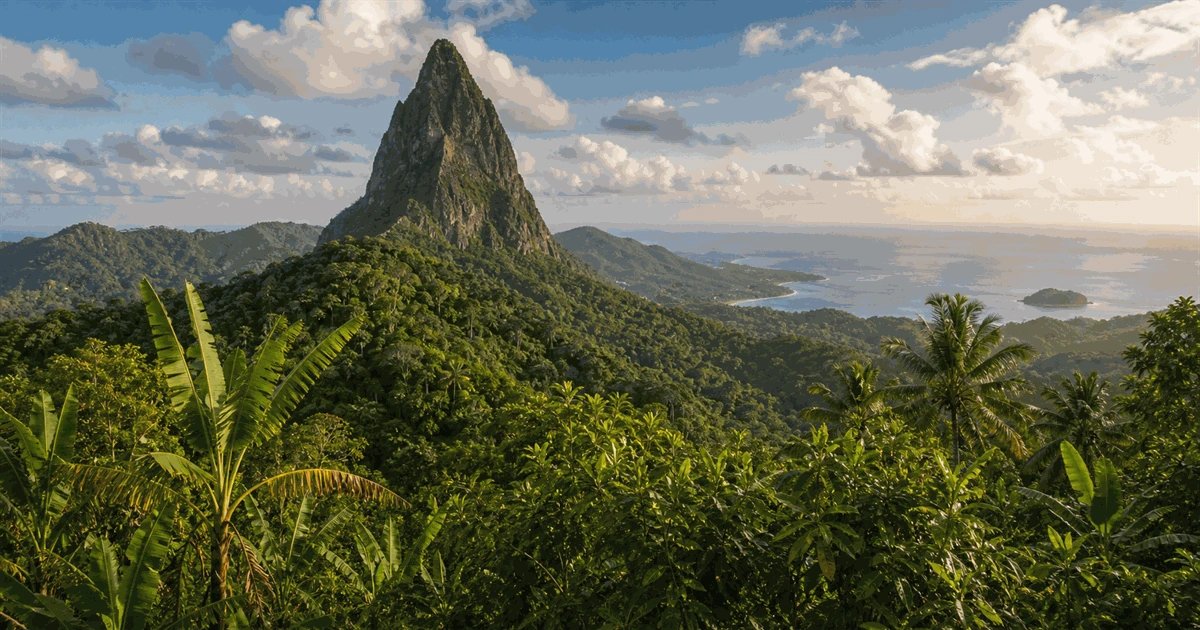

Sao Tome and Principe
History
Portuguese navigators found the islands uninhabited.
Sugar plantations worked by enslaved Africans made the islands briefly the world's largest producer.
Cocoa and coffee replaced sugar under the roca estate system.
Independence came on 12 July.
The first multi-party elections were held.
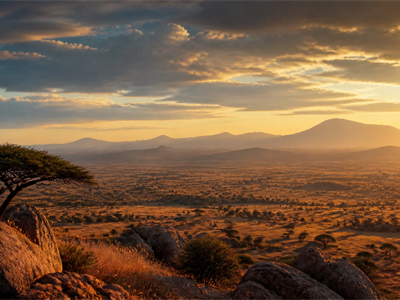 Part ofAfricaMore countries, cities and routes.
Short facts
RegionCentral Africa
LanguagePortuguese
Time zoneGMT (UTC+0)
Drives onRight
Worth seeing
- Pico Cao Grande: A volcanic plug rising some 300 m from the forest.
- Obo National Park: Rainforest covering much of both islands, rich in endemic birds.
- Roca Agua Ize: A colonial-era plantation estate with its hospital and rail remains.
Find a city in Sao Tome and Principe
Showing all cities
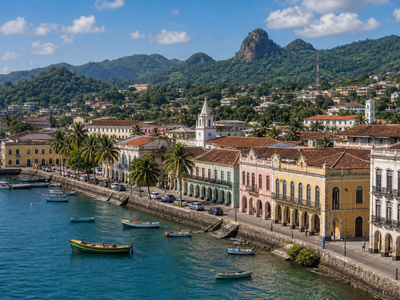 Sao Tome
Planning questions
What is Sao Tome and Principe known for?Pico Cao Grande, Obo National Park, Roca Agua Ize.
What is the capital?Sao Tome.
Which language is useful?Portuguese.
When is the national day?12 July.
How should I browse it here?Start with the facts, jump to linked cities, then check events and topics.
Upcoming events
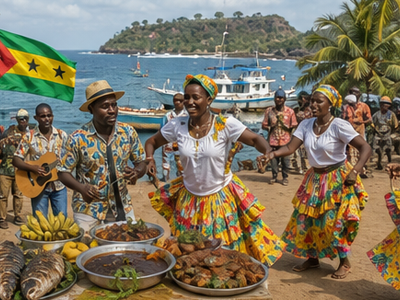 Sao Tome and Principe National Day12 July 2027 — Across Sao Tome and Principe — Sao Tome and Principe
Use Sao Tome as the first planning anchor for Sao Tome and Principe, then compare the city, food and worth-seeing notes on this page.
Food & drink
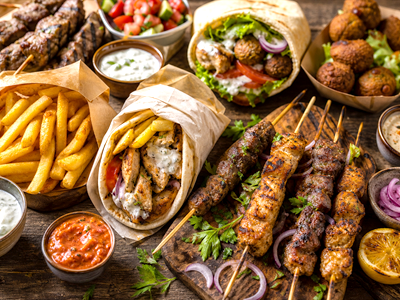 Street food
 Coffee
Known for
Pico Cao GrandeObo National ParkRoca Agua IzeSao TomeStreet foodCoffee
 Music & Culture