Forecast
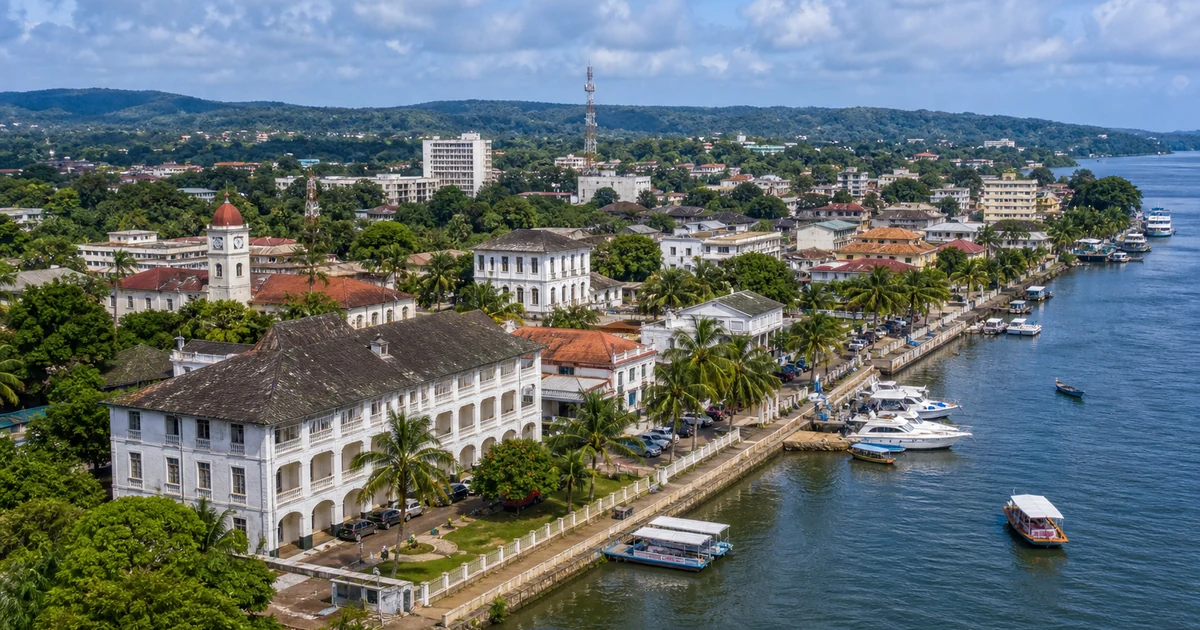
Calabar
Local time--:--
Africa/LagosWeather Forecast
Calabar, NigeriaOpen-Meteo forecast.
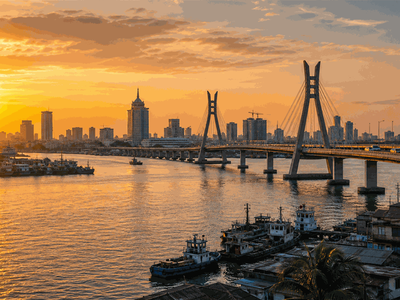
Calabar city overview
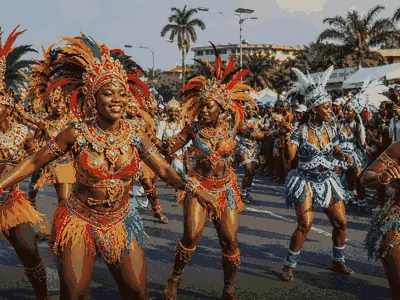
Calabar is a laid-back riverside city in southeastern Nigeria, best known across Africa as host of the Calabar Carnival, the continent's biggest December street festival.
Worth seeing
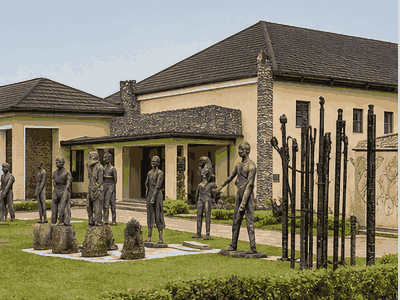
Slave History Museum Calabar
Slave History Museum Calabar is a key Calabar culture stop, useful for understanding local history, collections and rainy-day planning near the main sightseeing route.
View on map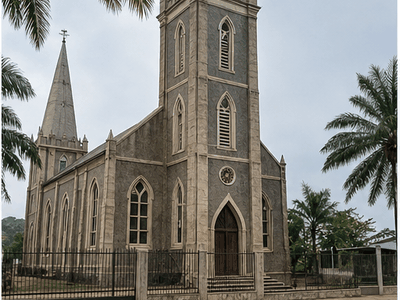
Duke Town Church
Duke Town Church anchors the historic and ceremonial side of Calabar, making it a practical stop for architecture, local memory and orientation.
View on map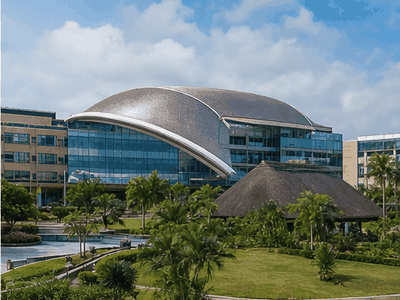
Tinapa Resort
Tinapa Resort is a practical event or leisure landmark in Calabar; check schedules and access before pairing it with the rest of the day.
View on map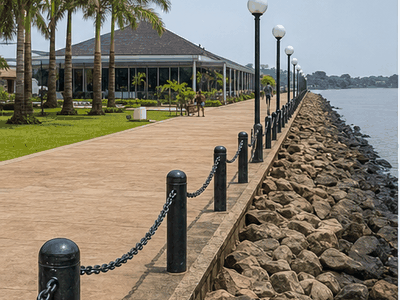
Marina Resort Calabar
Marina Resort Calabar adds the water-facing side of Calabar, making it a good break from museums, traffic and dense historic streets.
View on map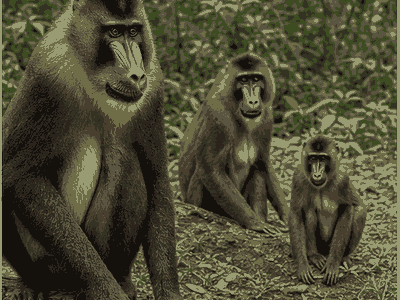
Drill Ranch Calabar
Drill Ranch Calabar is a named stop in Calabar worth keeping on the route when it fits the day's transport, timing and neighborhood plan.
View on map
Kwa Falls
Kwa Falls gives Calabar a greener or more scenic stop, useful when the route needs views, shade, walking space or a slower hour.
View on mapStay overview
Base in the Marina district for an easy first Calabar stay near the museums and riverside resort, or choose State Housing Estate for business trips close to hotels and offices. Diamond Hill suits longer stays near the university, while 8 Miles offers newer malls and quick airport access.
Hotels & areas
Calabar hotel choice depends on purpose: the Marina area suits first-time visitors wanting museums and riverside walks within reach, State Housing Estate suits business travelers needing conference hotels, and 8 Miles suits shoppers wanting quick airport access without staying downtown.
Marina / Calabar Municipal
The Marina district lines the Calabar River in the old town, home to the Marina Resort, National Museum and colonial-era streets, ideal for a first visit on foot.
Best for: first visits, museums, waterfrontSee hotel optionsState Housing Estate
State Housing Estate is Calabar's modern government and hotel quarter, with wide roads and easy access to restaurants, banks and conference venues.
Best for: business trips, hotelsSee hotel optionsDiamond Hill
Diamond Hill is a quiet residential area near the University of Calabar, useful for longer stays close to campus life and local eateries.
Best for: longer stays, university areaSee hotel options8 Miles / Parliamentary Extension
The 8 Miles area along Parliamentary Extension holds newer malls, fast-food chains and mid-range hotels, handy for shopping and airport access.
Best for: shopping, airport accessSee hotel optionsFlights & airports
Margaret Ekpo International Airport (CBQ) arrival plan
- Margaret Ekpo International Airport (CBQ)About 3 km from the centre
Compare airport access against hotel location, arrival time, rental car pickup, late flights and onward driving before choosing the first night base.
- Akwa Ibom International Airport (QUO)About 28 km from the centre
Compare airport access against hotel location, arrival time, rental car pickup, late flights and onward driving before choosing the first night base.
Rental cars
Calabar day-trip car use
A rental car is useful for day trips to Obudu Mountain Resort or Cross River National Park, though taxis and ride-hailing cover the compact city centre fine.
Compare rental carsTravel tips
Best base
Choose the Marina district for an easy first stay close to museums, the riverside resort and central restaurants without needing a car.
Carnival season
Book hotels well ahead for December, when the Calabar Carnival fills the city and rooms sell out across every price range.
Airport transfers
Arrange a taxi or hotel pickup at Margaret Ekpo International Airport, since ride-hailing coverage can be patchy for late-night arrivals.
Day trips
Set aside a full day for Obudu Mountain Resort or Cross River National Park, both a multi-hour drive from the city centre.
Nearby ideas
Nature
Obudu Mountain Resort
Obudu Mountain Resort sits high in the Sankwala hills with cool weather, hiking trails and a cable car, a popular multi-day escape from Calabar.
View on mapNature
Cross River National Park
Cross River National Park protects rainforest and rare primates including gorillas, reached by a long drive northeast of the city.
View on mapUpcoming events
City history
In addition to letters and parcels, it also delivered newspapers, and cargo and carried up to 100 passengers to Lagos, Port Harcourt and Calabar.
In 1815 HMS Comus, as part of the British blockade of Africa, sailed into Duke Town, where she captured seven Spanish and Portuguese slave ships.
Among the missionaries, Hope Waddell, who worked in Calabar from 1845 to 1858, and Mary Slessor, who evangelized Christianity in Calabar from 1876 to 1915, worked to improve treatment by and among the native.
In 1846, Scottish Presbyterians established a mission station in Calabar.
On 10 September 1884, Queen Victoria signed a treaty of protection with the king and chiefs of Akwa Akpa, known to Europeans as Old Calabar—then the official title to distinguish it from New Calabar.
Calabar was the headquarter of the European administration in the Niger Delta until 1906 when the seat of government was moved to Lagos.
Herbert Macaulay, a newspaper owner and grandson of Samuel Ajayi Crowther, in 1923 founded the first Nigerian political party, the Nigeria National Democratic Party.
In 1926, Governor Graeme Thomson attempted to introduce a poll tax in southeast Nigeria, including Calabar.
It remained the strongest party in the elections until 1939.
Several administrative buildings were destroyed and more than 50 women died at the hands of colonial forces. Biafra War After independence in 1960, tensions increased between the North and South areas of the country.
The Southeastern area decided to become independent and declared itself as the Republic of Biafra in 1967.
Seaport, slave trade When Portuguese explorers in the 15th century reached this part of the Guinea coast, they called the tribes of the area "Calabar".
Since the 16th century, Calabar has served as an international seaport, exporting such goods as palm oil.
During the centuries of the Atlantic slave trade, it became a major port for shipment of African slaves to the Americas.