Forecast
Antananarivo
Local time--:--
Indian/AntananarivoWeather Forecast
Antananarivo, MadagascarOpen-Meteo forecast.
Antananarivo city overview
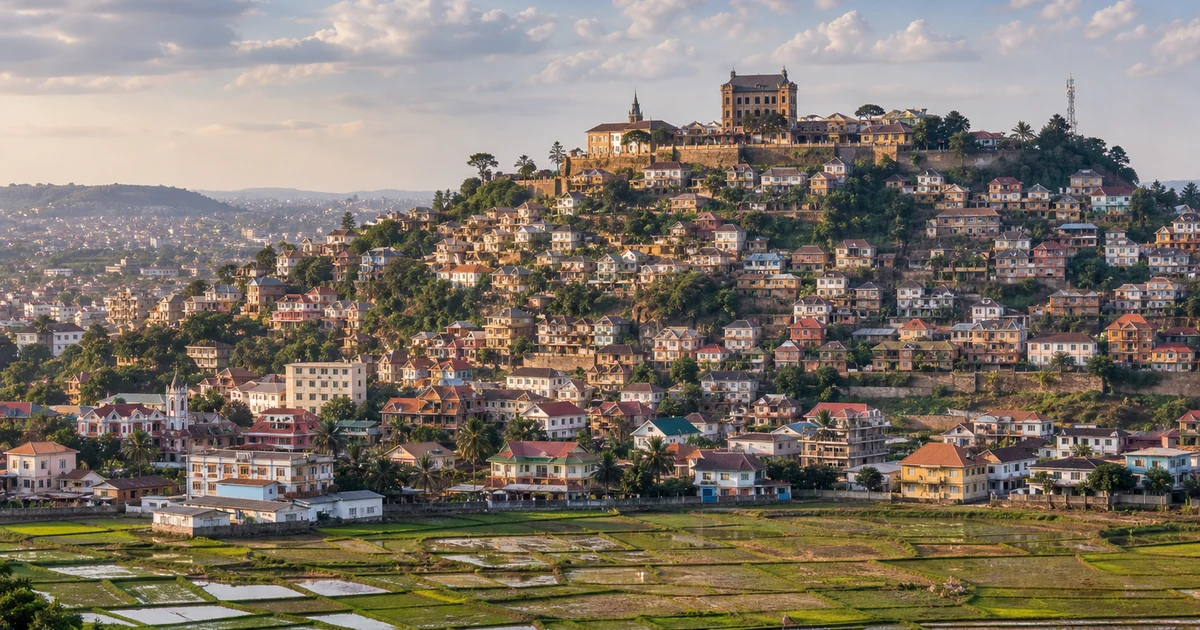
Antananarivo, known locally as Tana, is Madagascar's hillside capital, its skyline dominated by the Rova royal palace complex above winding colonial-era streets. First-time visitors should climb to the Rova of Antananarivo, browse the stalls of Analakely Market, and relax beside Lake Anosy in the late afternoon. Ivato International Airport connects the highlands to the coast, and a day trip to the nearby hill town of Ambohimanga rounds out a stay.
Worth seeing
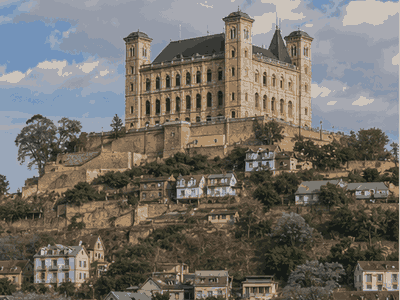
Rova of Antananarivo
Rova of Antananarivo is a named stop in Antananarivo worth keeping on the route when it fits the day's transport, timing and neighborhood plan.
View on map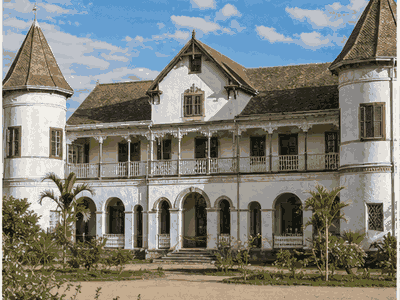
Andafiavaratra Palace
Andafiavaratra Palace anchors the historic and ceremonial side of Antananarivo, making it a practical stop for architecture, local memory and orientation.
View on map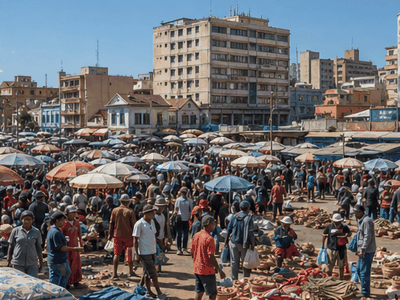
Analakely Market
Analakely Market adds outdoor time to a Antananarivo stay, with open space, views or waterfront breathing room between denser city sights.
View on map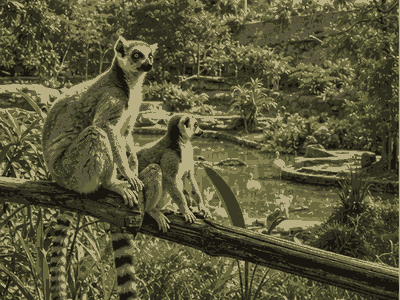
Tsimbazaza Zoo
Tsimbazaza Zoo gives Antananarivo a greener or more scenic stop, useful when the route needs views, shade, walking space or a slower hour.
View on map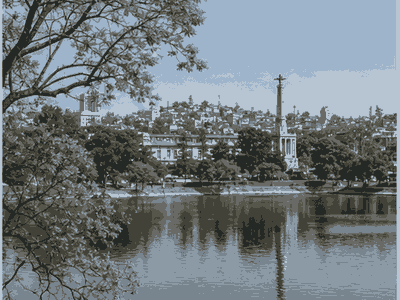
Lake Anosy
Lake Anosy adds outdoor time to a Antananarivo stay, with open space, views or waterfront breathing room between denser city sights.
View on map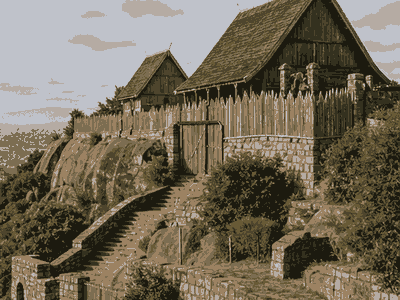
Ambohimanga
Ambohimanga is a named stop in Antananarivo worth keeping on the route when it fits the day's transport, timing and neighborhood plan.
View on mapStay overview
Base in Antaninarenina for an easy first stay near hotels, banks and the Rova, or choose Isoraka for a quieter, guesthouse-lined alternative close to the university. Ivandry suits business travelers wanting modern offices and malls away from the historic core.
Hotels & areas
Antaninarenina offers the widest choice of established hotels within walking distance of the old town, while Isoraka suits smaller guesthouses and longer stays. Ivandry's newer towers work best for business trips needing modern facilities close to conference venues.
Analakely
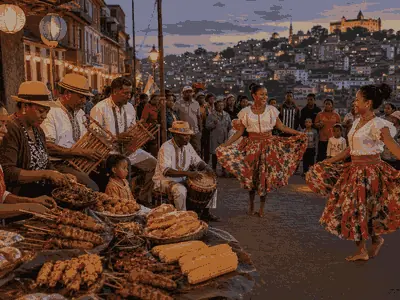
Analakely is Antananarivo's bustling lower-town market district, packed with vendors and street food, useful for a first taste of city life on foot.
Best for: markets, street food, budget staysSee hotel optionsAntaninarenina
Antaninarenina is the upper-town business and hotel district, home to colonial-era buildings, banks and the city's best hotel options.
Best for: business stays, hotels, walkabilitySee hotel optionsIsoraka
Isoraka is a quiet, leafy neighborhood near the university with guesthouses, art galleries and cafes, popular with longer-stay visitors.
Best for: guesthouses, cafes, quiet staysSee hotel optionsIvandry
Ivandry is a newer business district north of the centre with modern offices, malls and international hotel chains.
Best for: business trips, shopping, modern hotelsSee hotel optionsFlights & airports
Ivato International Airport (TNR) arrival plan
- Ivato International Airport (TNR)About 14 km from the centre
Compare airport access against hotel location, arrival time, rental car pickup, late flights and onward driving before choosing the first night base.
Rental cars
Antananarivo day-trip car use
Self-driving is difficult given Tana's steep, congested streets; most visitors rely on hired drivers or taxis instead.
Compare rental carsTravel tips
Climb early
Visit the Rova of Antananarivo in the morning for cooler weather and clearer views over the city's hills and lakes.
Bargain at markets
Expect to negotiate prices at Analakely Market and other street stalls, where quoted prices for tourists often start high.
Plan for traffic
Allow extra time for journeys across the city, since Antananarivo's narrow, hilly streets suffer frequent congestion at peak hours.
Day trip to Ambohimanga
Set aside half a day for the UNESCO-listed hill town of Ambohimanga, a short drive northeast of the capital.
Nearby ideas
Nature
Andasibe-Mantadia National Park
Andasibe-Mantadia National Park, about three hours east, is the easiest place to see indri lemurs in the wild from Antananarivo.
View on mapCity history
The city was established in around 1610 or 1625 according to varying accounts.
Upon Andriamasinavalona's death in 1710, Imerina split into four warring quadrants, and Antananarivo was made the capital of the southern district.
He moved the kingdom's political capital back to Antananarivo in 1794, and declared Ambohimanga the kingdom's spiritual capital, a role it still maintains.
Andrianampoinimerina created a large marketplace in Analakely, establishing the city's economic center. Kingdom of Madagascar By the time Andrianampoinimerina's son Radama I had ascended the throne upon his father's death in 1810, Antananarivo was.
Radama's successor Ranavalona I invited a shipwrecked craftsman named Jean Laborde to construct the tomb of Prime Minister Rainiharo, and Manjakamiadana (built 1839–1841), the largest palace at the Rova.
In 1867, following a series of fires in the capital, Queen Ranavalona II issued a royal decree that permitted the use of stone and brick construction in buildings other than tombs.
Rainilaiarivony built the Andafiavaratra Palace in 1873 as his residence and office at a site near the royal palace. French Madagascar The French military invaded Antananarivo in September 1894, prompting the queen's surrender after.
A railway system connecting Soarano station at one end of the Avenue de l'Indépendance in Antananarive with Toamasina and Fianarantsoa was established in 1897.
A city plan written in 1956 created suburban zones where large houses and gardens were established for the wealthy.
The first international airport was constructed at Arivonimamo, 45 km (28 mi) outside the city; this was replaced in 1967 with Ivato International Airport approximately 15 km (9 mi) from the city center.
After expelling the Vazimba who inhabited the town at the peak of Analamanga hill, Andrianjaka chose the site for his rova (fortified royal compound), which expanded over time to enclose the royal palaces and.
Andriamasinavalona designated specific territories for the hova (commoners) and each andriana (noble) subcaste, both within the neighborhoods of Antananarivo and in the countryside surrounding the capital.
They chose Antaninarenina as the site for the French Governor General's Residency; upon independence, it was renamed Ambohitsorohitra Palace and converted into presidential offices.
The University of Antananarivo was constructed in the Ankatso neighborhood and the Museum of Ethnology and Paleontology was also built.