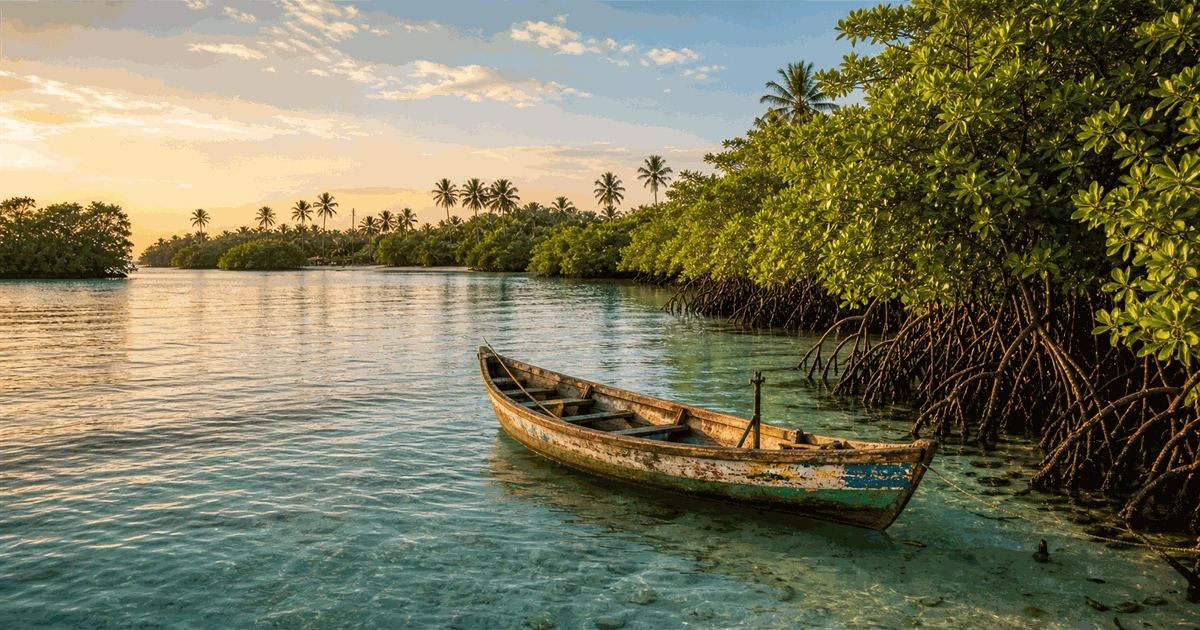

Guinea-Bissau
History
The Kaabu kingdom, a successor of Mali, dominated the interior.
Portuguese navigators reached the coast and later used it for the slave trade.
The PAIGC fought a war of independence under Amilcar Cabral.
Independence was declared on 24 September and recognised by Portugal in 1974.
A civil war and repeated coups followed independence.
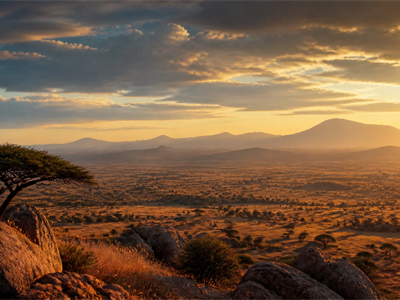 Part ofAfricaMore countries, cities and routes.
Short facts
RegionWest Africa
LanguagePortuguese, Upper Guinea Creole
Time zoneGMT (UTC+0)
Drives onRight
Worth seeing
- Bijagos Archipelago: Some eighty islands, a UNESCO biosphere reserve with nesting turtles.
- Bolama: The former colonial capital, its buildings left to the forest.
- Bissau Velho: The old Portuguese quarter and fort above the harbour.
Find a city in Guinea-Bissau
Showing all cities
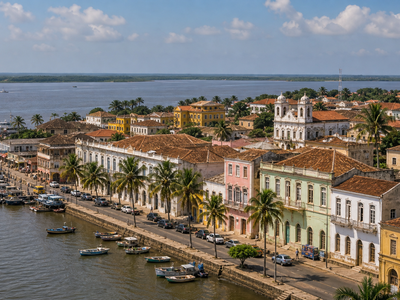 Bissau
Planning questions
What is Guinea-Bissau known for?Bijagos Archipelago, Bolama, Bissau Velho.
What is the capital?Bissau.
Which language is useful?Portuguese, Upper Guinea Creole.
When is the national day?24 September.
How should I browse it here?Start with the facts, jump to linked cities, then check events and topics.
Upcoming events
Use Bissau as the first planning anchor for Guinea-Bissau, then compare the city, food and worth-seeing notes on this page.
Food & drink
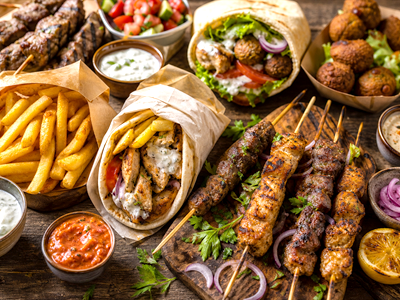 Street food
 Coffee
Known for
Bijagos ArchipelagoBolamaBissau VelhoBissauStreet foodCoffee
 Music & Culture