Forecast
Bissau
Local time--:--
Africa/BissauWeather Forecast
Bissau, Guinea-BissauOpen-Meteo forecast.
Bissau city overview
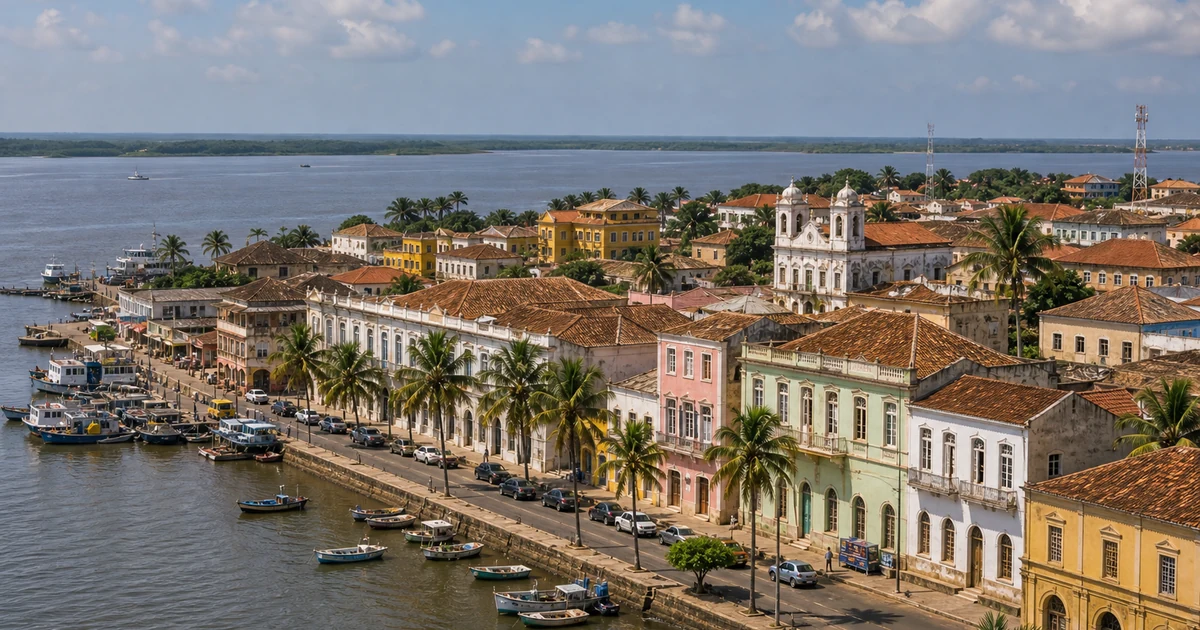
Bissau is Guinea-Bissau's low-rise coastal capital, built around a Portuguese colonial core on the Geba River estuary. First-time visitors should walk the fading colonnades of Praca, browse produce and cloth at Bandim Market, and see the star-shaped ramparts of the Fortaleza d'Amura. Osvaldo Vieira International Airport is the practical starting point for exploring the wider Bijagos Archipelago just offshore.
Worth seeing
Bissau Velho
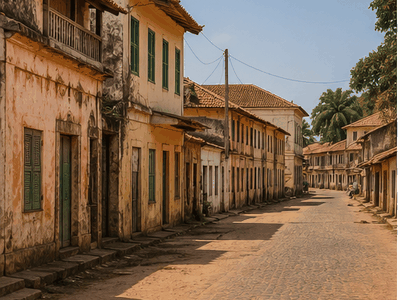
Bissau Velho is a named stop in Bissau worth keeping on the route when it fits the day's transport, timing and neighborhood plan.
View on map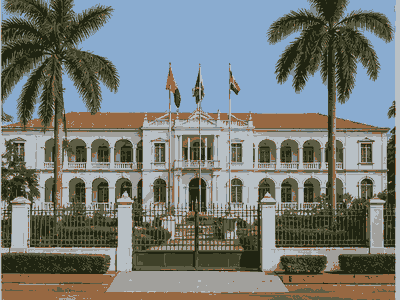
Presidential Palace Bissau
Presidential Palace Bissau anchors the historic and ceremonial side of Bissau, making it a practical stop for architecture, local memory and orientation.
View on map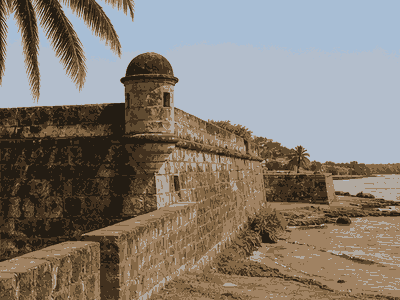
Fortaleza de Sao Jose da Amura
Fortaleza de Sao Jose da Amura is a clear heritage marker in Bissau, best used as a fixed point when grouping nearby streets, monuments and viewpoints.
View on map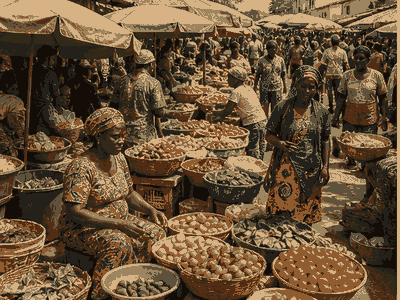
Bandim Market
Bandim Market gives Bissau a concrete street-life stop, with food, everyday shopping and local movement that helps visitors read the city.
View on map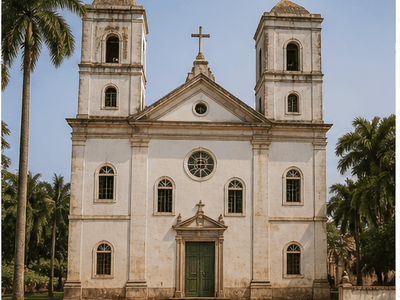
Bissau Cathedral
Bissau Cathedral anchors the historic and ceremonial side of Bissau, making it a practical stop for architecture, local memory and orientation.
View on map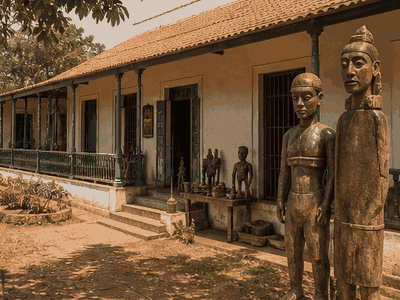
National Ethnographic Museum
National Ethnographic Museum is a key Bissau culture stop, useful for understanding local history, collections and rainy-day planning near the main sightseeing route.
View on mapStay overview
Base in Praca for an easy first stay near the Presidential Palace and cathedral, or Bissau Velho for colonial streets and port views close to the Fortaleza d'Amura. Keep Bandim for daytime market visits rather than an overnight base.
Hotels & areas
Bissau's small hotel scene centres on Praca and Bissau Velho, both close to the port, cathedral and colonial landmarks, with a handful of business-style hotels serving visitors heading onward to the Bijagos Archipelago.
Praca
Praca is Bissau's colonial centre, with the Presidential Palace, cathedral and faded Portuguese buildings, best for a first stay near government offices.
Best for: first visits, colonial architectureSee hotel optionsBissau Velho
Bissau Velho, the old town by the port, holds the Fortaleza d'Amura and narrow colonial streets, good for walking and history.
Best for: history, walking, port viewsSee hotel optionsBandim
Bandim is home to the city's largest and busiest market, useful for produce, textiles and everyday city life rather than lodging.
Best for: markets, local lifeSee hotel optionsFlights & airports
Osvaldo Vieira International Airport (OXB) arrival plan
- Osvaldo Vieira International Airport (OXB)About 7 km from the centre
Compare airport access against hotel location, arrival time, rental car pickup, late flights and onward driving before choosing the first night base.
Rental cars
Bissau day-trip car use
A rental car is rarely useful in compact central Bissau; taxis cover the city, while trips to the Bijagos Archipelago require a boat rather than a car.
Compare rental carsTravel tips
Best base
Choose Praca or Bissau Velho for an easy first stay close to the cathedral, port and colonial-era landmarks.
Flight planning
Confirm international flight schedules well ahead, since Osvaldo Vieira International Airport has limited weekly connections to regional hubs.
Cash
Carry West African CFA francs in cash, since card acceptance is rare outside the largest hotels and offices.
Bijagos planning
Book Bijagos Archipelago boat transfers or lodges in advance from Bissau, since onward transport is infrequent and fills up quickly.
Nearby ideas
Nature
Bijagos Archipelago
The Bijagos Archipelago, a UNESCO biosphere reserve of islands off the coast, is Guinea-Bissau's top draw for wildlife, beaches and traditional island life.
View on mapBeach
Varela
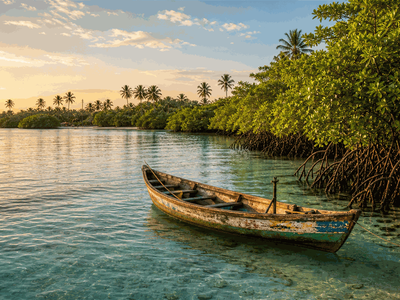
Varela, in the far northwest near the Senegal border, offers quiet beaches and mangrove coastline for a slower-paced coastal trip.
View on mapUpcoming events
No upcoming Bissau events in the shared event index yet.
City history
In 1680 Bissau even helped the Portuguese in a conflict with the Papels of Cacheu.
The city was founded in 1687 as a Portuguese trading post.
In response the Portuguese Conselho Ultramarino established the captaincy-general of Bissau, and by 1696 the town had a fort, a church, and a hospital.
The fort was rebuilt by the Grão Pará and Maranhão Company in 1775 to better project Portuguese power and store more slaves for shipment to Brazil.
In 1869, as part of an effort to more efficiently govern the territory, Bissau was raised to the status of commune.
The decades on either side of the turn of the 20th century saw fierce resistance on the part of the Papels to colonial 'pacification campaigns.' In 1915, after 30 years of war, the Portuguese.
In 1941 the capital was transferred from Bolama to Bissau.
After the declaration of independence by the anti-colonial guerrillas of PAIGC in 1973, the capital of the rebel territories was declared to be Madina do Boe, while Bissau remained the colonial capital.
When the Portuguese began to trade there in the 16th century, the king of Bissau was among the most supportive monarchs of the region.
According to oral tradition, the kingdom was founded by Mecau, the son of the king of Quinara (Guinala), who moved to the area with his pregnant sister, six wives, and subjects of his father's.
Although the king of Bissau Bacompolco refused them permission to build a fort, he did grant them a trading factory, from which they shipped thousands of slaves, among other things.
It was the main emporium for trade on and south of the Geba river, and was rivaling if not eclipsing Cacheu in importance.
When Captain-General Pinheiro tried to enforce Portugal's monopoly in defiance of the Papel policy of free trade, Incinhate surrounded the incomplete fort and threatened to massacre the inhabitants.
Unable to enforce a trading monopoly or collect duties from foreign shipping, the Portuguese soon abandoned the fort.