Forecast
Porto-Novo
Local time--:--
Africa/Porto-NovoWeather Forecast
Porto-Novo, BeninOpen-Meteo forecast.
Porto-Novo city overview
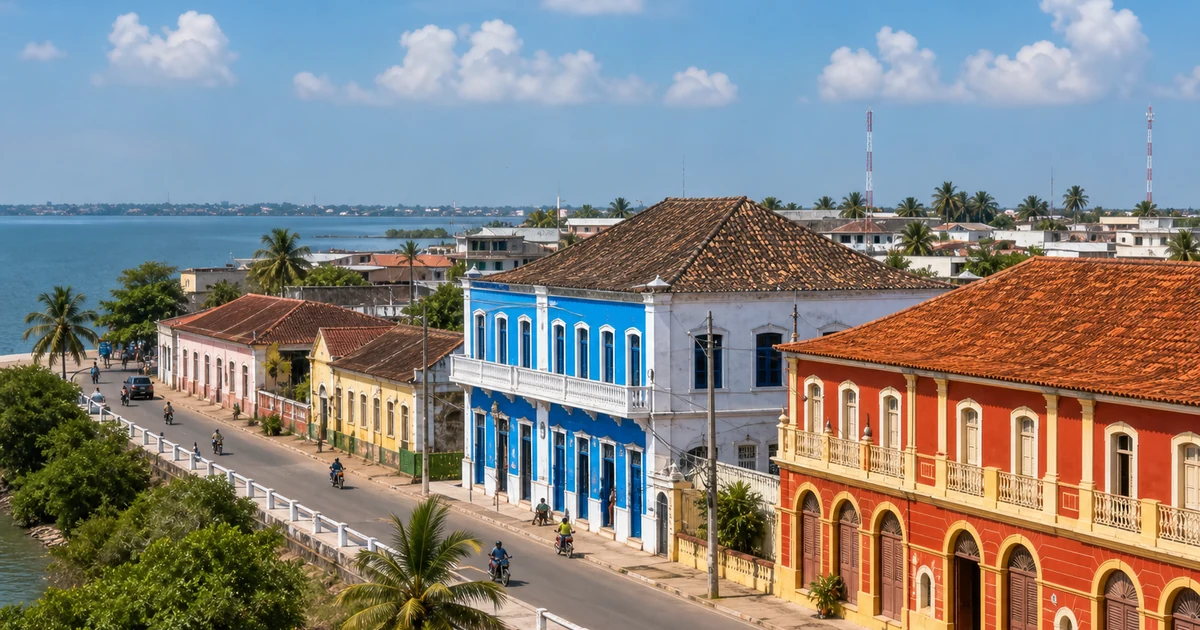
Porto-Novo is Benin's low-key political capital, a lagoon-side city of Afro-Brazilian architecture and Yoruba heritage overshadowed in size by nearby Cotonou. First-time visitors should tour the Musée Honmè inside the old royal palace, browse the stalls at Ouando Market, and admire the Grand Mosque of Porto-Novo, built in Afro-Brazilian style by returned freed slaves. Cardinal Bernardin Gantin International Airport in Cotonou is the nearest gateway, about an hour's drive away.
Worth seeing
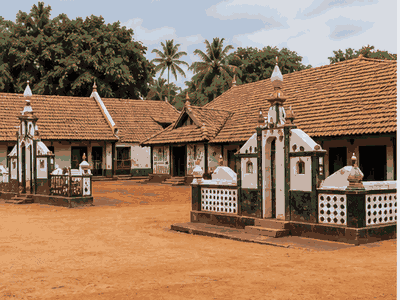
Royal Palace of Porto-Novo
Royal Palace of Porto-Novo anchors the historic and ceremonial side of Porto-Novo, making it a practical stop for architecture, local memory and orientation.
View on map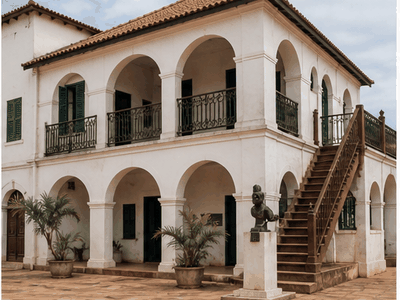
Da Silva Museum
Da Silva Museum is a key Porto-Novo culture stop, useful for understanding local history, collections and rainy-day planning near the main sightseeing route.
View on map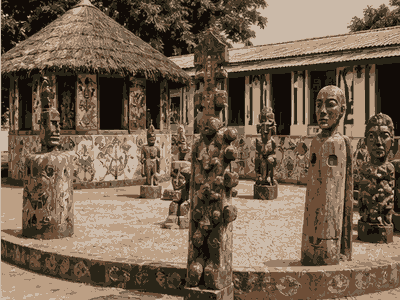
Porto-Novo Ethnographic Museum
Porto-Novo Ethnographic Museum is a key Porto-Novo culture stop, useful for understanding local history, collections and rainy-day planning near the main sightseeing route.
View on map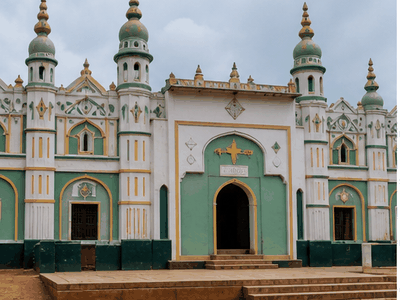
Great Mosque of Porto-Novo
Great Mosque of Porto-Novo anchors the historic and ceremonial side of Porto-Novo, making it a practical stop for architecture, local memory and orientation.
View on map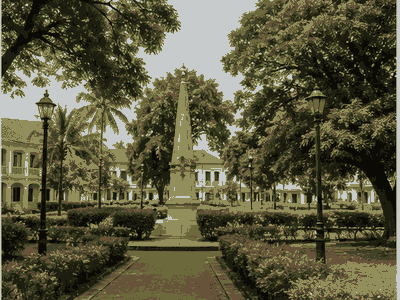
Jardin Place Jean Bayol
Jardin Place Jean Bayol adds the water-facing side of Porto-Novo, making it a good break from museums, traffic and dense historic streets.
View on map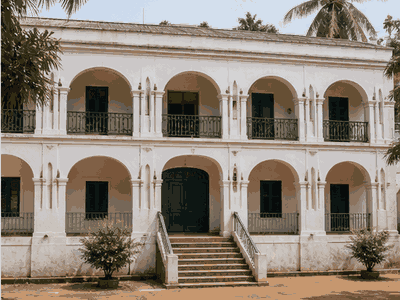
Musee Honme
Musee Honme is a named stop in Porto-Novo worth keeping on the route when it fits the day's transport, timing and neighborhood plan.
View on mapStay overview
Stay in the Colonial District for walking access to the royal palace, museums and cathedral, or choose Ouando for a livelier base near the main market. Most travellers fly into Cotonou and treat Porto-Novo as an easy day trip or one-night stop.
Hotels & areas
Accommodation in Porto-Novo is more limited and modest than in Cotonou, so the Colonial District suits travellers prioritizing sightseeing on foot, while Ouando offers simpler guesthouses closer to the market and everyday local life.
Colonial District (Centre-ville)
The Colonial District centres on 19th- and 20th-century Afro-Brazilian buildings around the royal palace, the best base for walking to museums and the cathedral.
Best for: first visits, sightseeing, museumsSee hotel optionsOuando
Ouando sits about 3 kilometres north of the centre around Benin's largest market, a livelier district with more nightlife than the historic core.
Best for: markets, nightlifeSee hotel optionsAkron
Akron is one of Porto-Novo's oldest neighbourhoods, tracing back to early settlement and useful for a quieter, more local stay near the lagoon.
Best for: quiet stays, local characterSee hotel optionsFlights & airports
Cotonou Cadjehoun International Airport (COO) arrival plan
- Cotonou Cadjehoun International Airport (COO)About 29 km from the centre
Compare airport access against hotel location, arrival time, rental car pickup, late flights and onward driving before choosing the first night base.
- Murtala Muhammed International Airport (LOS)About 80 km from the centre
Compare airport access against hotel location, arrival time, rental car pickup, late flights and onward driving before choosing the first night base.
Rental cars
Porto-Novo day-trip car use
A rental car is not needed inside compact Porto-Novo, but one or a hired driver helps for the day trip to Cotonou or Ganvié.
Compare rental carsTravel tips
Best base
Stay in the Colonial District for easy walks to the royal palace, museums and cathedral, or Ouando if you want to be near the main market.
Airport access
Fly into Cotonou's Cardinal Bernardin Gantin International Airport and budget about an hour for the road transfer to Porto-Novo.
Language and cash
French is the official language and cash is preferred for markets and small vendors, so carry West African CFA francs in small denominations.
Day trips
Combine Porto-Novo with a half-day visit to Ganvié's stilt villages or an evening in Cotonou, both reachable within a couple of hours.
Nearby ideas
City
Cotonou
Cotonou is Benin's largest city and economic capital, an easy day trip from Porto-Novo for shopping, dining and the international airport.
View on mapHeritage
Ganvié
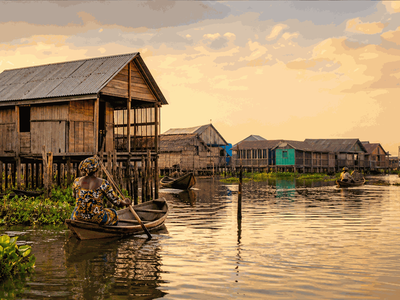
Ganvié is a heritage-focused side trip from Porto-Novo; check the route and opening hours before setting aside the day.
View on mapUpcoming events
City history
In 1861, the British, who were active in nearby Nigeria, bombarded the city, which caused the Kingdom of Porto-Novo to accept the French offer of protection in 1863.
In 1883, Porto-Novo was incorporated into the French "colony of Dahomey and its dependencies" and in 1900, it became Dahomey's capital city.
From 1908, the king held the title of Chef supérieur.
The kings of Porto-Novo continued to rule in the city, both officially and unofficially, until the death of the last king, Alohinto Gbeffa, in 1976.
It remains untranslated in French, the national language of Benin.
Porto-Novo was once a tributary of the Yoruba Oyo Empire, which had offered it protection from the neighbouring Fon, who were expanding their influence and power in the region.
Today, the Yoruba community in Porto-Novo remains one of the two original ethnic groups in the city.
The city was originally called Ajashe (Àjàṣẹ́ in Yoruba orthography) by the Yorubas, and Hogbonu by the Gun.
The neighbouring Kingdom of Dahomey objected to French involvement in the region and war broke out between the two states.
Unlike the city's earlier Gun migrants, however, the French sought to impose their language in all spheres of life and completely stamp out the use and proliferation of indigenous languages.
Many Afro-Brazilians settled in Porto-Novo following their return to Africa after emancipation in Brazil.
Brazilian architecture and foods are important to the city's cultural life.
Under French colonial rule, flight across the new border to British-ruled Nigeria in order to avoid harsh taxation, military service and forced labour was common.
A combination of the aforementioned facts, coupled with the fact that the city itself lies within the sphere of Nigerian socioeconomic influence, has given Porto-Novo's residents a preference for some measure of bi-nationality or.