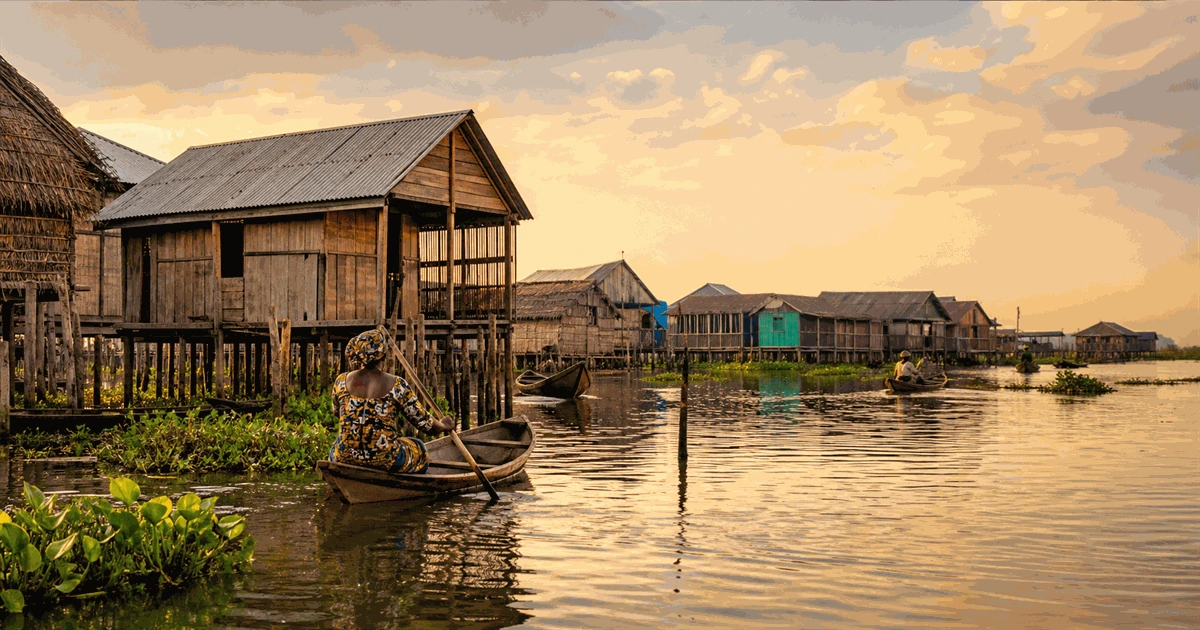

Benin
History
The Kingdom of Dahomey rose at Abomey and became a major regional power.
Ouidah served as one of the busiest slave-trading ports on the Bight of Benin.
France completed its conquest and made Dahomey a colony.
Independence came on 1 August.
The country was governed as a Marxist-Leninist state and renamed Benin.
A national conference led to multi-party elections and a peaceful transfer of power.
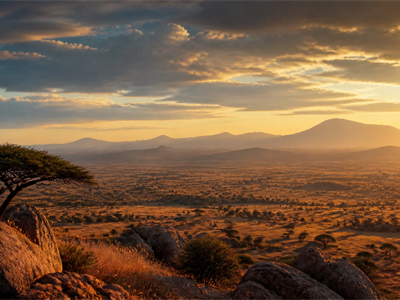 Part ofAfricaMore countries, cities and routes.
Short facts
RegionWest Africa
LanguageFrench
Time zoneWAT (UTC+1)
Drives onRight
Worth seeing
- Royal Palaces of Abomey: The earthen palaces of the Dahomey kings, a UNESCO World Heritage site.
- Ganvie: A lake village on Lake Nokoue built on stilts and reached by pirogue.
- Ouidah: The Door of No Return and the slave route running from town to the beach.
Find a city in Benin
Showing all cities
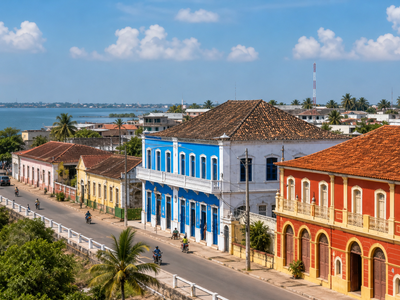 Porto-Novo
Planning questions
What is Benin known for?Royal Palaces of Abomey, Ganvie, Ouidah.
What is the capital?Porto-Novo.
Which language is useful?French.
When is the national day?1 August.
How should I browse it here?Start with the facts, jump to linked cities, then check events and topics.
Upcoming events
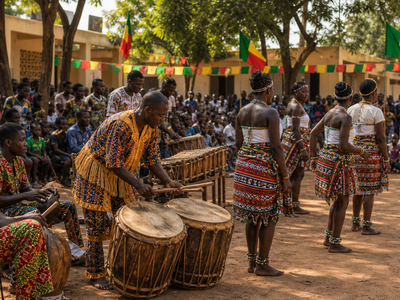 Benin National Day1 August 2027 — Across Benin — Benin
Use Porto-Novo as the first planning anchor for Benin, then compare the city, food and worth-seeing notes on this page.
Food & drink
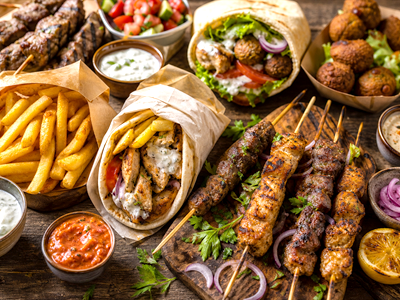 Street food
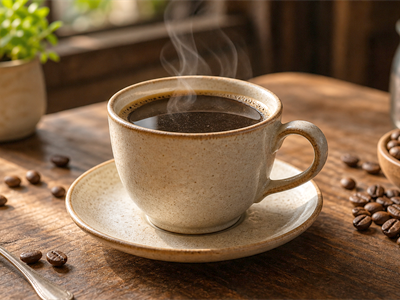 Coffee
Known for
Royal Palaces of AbomeyGanvieOuidahPorto-NovoStreet foodCoffee
 Music & Culture