Forecast
Luanda
Local time--:--
Africa/LuandaWeather Forecast
Luanda, AngolaOpen-Meteo forecast.
Luanda city overview
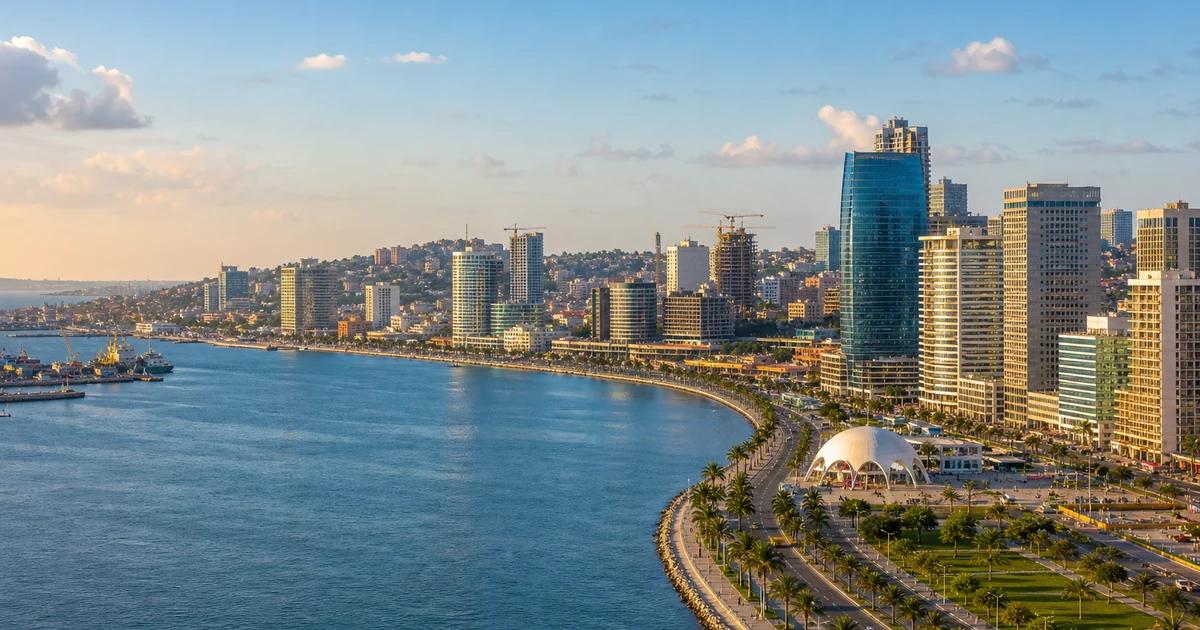
Luanda is Angola's Atlantic capital and main port, an industrial and cultural hub built around a curving bay lined with the Marginal waterfront promenade.

Worth seeing
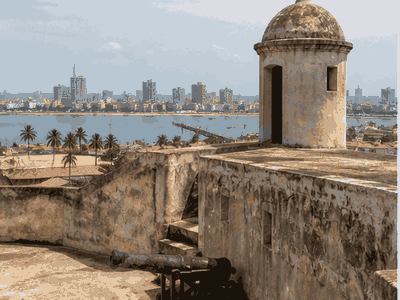
Fortress of Sao Miguel
Fortress of Sao Miguel is a clear heritage marker in Luanda, best used as a fixed point when grouping nearby streets, monuments and viewpoints.
View on map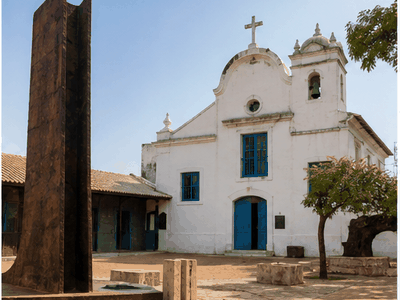
National Museum of Slavery
National Museum of Slavery is a key Luanda culture stop, useful for understanding local history, collections and rainy-day planning near the main sightseeing route.
View on map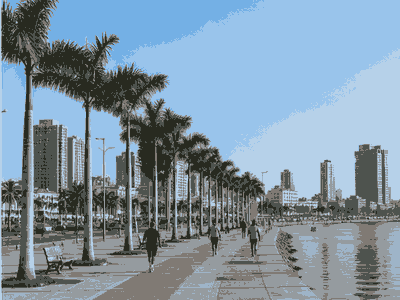
Marginal de Luanda
Marginal de Luanda is a named stop in Luanda worth keeping on the route when it fits the day's transport, timing and neighborhood plan.
View on map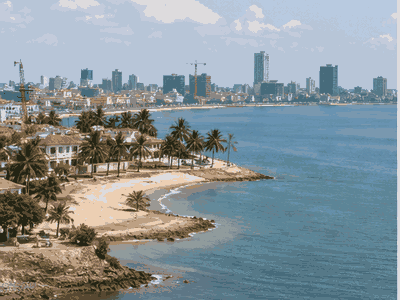
Ilha do Cabo
Ilha do Cabo is a named stop in Luanda worth keeping on the route when it fits the day's transport, timing and neighborhood plan.
View on map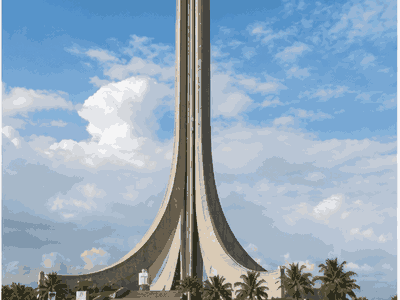
Mausoleum of Agostinho Neto
Mausoleum of Agostinho Neto is a named stop in Luanda worth keeping on the route when it fits the day's transport, timing and neighborhood plan.
View on map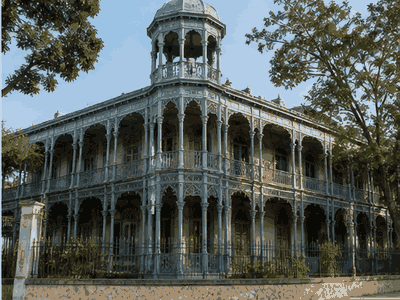
Palacio de Ferro
Palacio de Ferro is a named stop in Luanda worth keeping on the route when it fits the day's transport, timing and neighborhood plan.
View on mapStay overview
Base in Ingombota for a central first stay near government offices, banks and hotels, or choose Miramar for gated, upscale waterfront living close to the Marginal. Maianga offers better value for longer stays, while Ilha de Luanda suits an evening of beach bars rather than an overnight base.
Hotels & areas
Luanda hotel choice usually comes down to budget and security: Ingombota and Miramar hold the capital's international hotel brands and safest streets, Maianga offers more affordable options close to downtown, and Ilha de Luanda works best as a dinner or nightlife outing rather than a place to sleep.
Ingombota
Ingombota is the central business district holding government offices, banks and many of the capital's top hotels, a practical first-time base.
Best for: first visits, business, central sightsSee hotel optionsMiramar
Miramar is Luanda's upscale seafront district of gated condominiums and international hotels, popular with business travellers for its safety and waterfront access.
Best for: business trips, waterfront views, safetySee hotel optionsMaianga
Maianga is a quieter, more residential district next to the centre, offering better value stays within easy reach of downtown Luanda.
Best for: budget stays, longer visitsSee hotel optionsIlha de Luanda
Ilha de Luanda is a narrow sandbar peninsula lined with beach bars and seafood restaurants, best for an evening out rather than an overnight base.
Best for: beaches, dining, nightlifeSee hotel optionsFlights & airports
Quatro de Fevereiro International Airport (LAD) arrival plan
- Quatro de Fevereiro International Airport (LAD)About 2 km from the centre
Compare airport access against hotel location, arrival time, rental car pickup, late flights and onward driving before choosing the first night base.
- Dr. Antonio Agostinho Neto International Airport (NBJ)About 38 km from the centre
Compare airport access against hotel location, arrival time, rental car pickup, late flights and onward driving before choosing the first night base.
Rental cars
Luanda day-trip car use
A rental car is not recommended for visitors, since traffic is heavy and unpredictable; arrange a hotel driver or trusted taxi service instead.
Compare rental carsTravel tips
Best base
Choose Ingombota or Miramar for a secure first stay close to hotels, restaurants and the Marginal waterfront promenade.
Airport transfers
Book a hotel transfer in advance for the 40-kilometre drive from Agostinho Neto International Airport, since taxis are scarce outside arrivals.
Costs and cash
Luanda is one of Africa's most expensive cities for visitors, so confirm hotel and taxi prices upfront and carry local kwanza for small purchases.
Day trips
Set aside a full day for the Kalandula Falls or the Miradouro da Lua rock formations if the itinerary allows time outside the capital.
Nearby ideas
Nature
Kalandula Falls
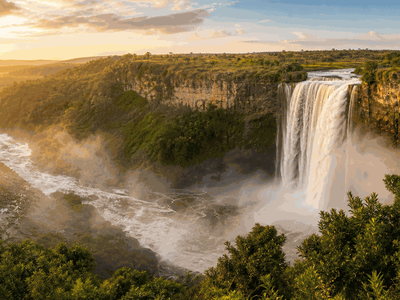
Kalandula Falls is one of Africa's largest waterfalls, a long but rewarding day trip inland from Luanda through Angola's rural highlands.
View on mapNature
Miradouro da Lua
Miradouro da Lua is a striking lunar-like landscape of eroded cliffs south of Luanda, a popular half-day trip along the coast.
View on mapUpcoming events
City history
Portuguese colonization Portuguese explorer Paulo Dias de Novais founded Luanda on 25 January 1576 as "São Paulo da Assumpção de Loanda".
In 1618, the Portuguese built the fortress called Fortaleza São Pedro da Barra, and they subsequently built two more: Fortaleza de São Miguel (1634) and Forte de São Francisco do Penedo (1765–66).
Luanda was Portugal's bridgehead from 1627, except during the Dutch rule of Luanda, from 1640 to 1648, as Fort Aardenburgh.
A strong degree of Brazilian influence was noted in Luanda until the independence of Brazil in 1822.
The slave trade was abolished in 1836, and in 1844, Angola's ports were opened to foreign shipping.
By 1850, Luanda was one of the greatest and most developed Portuguese cities in the vast Portuguese Empire outside continental Portugal, full of trading companies, exporting (together with Benguela) palm and peanut oil, wax.
In 1889, Governor Brito Capelo opened the gates of an aqueduct which supplied the city with water, a formerly scarce resource, laying the foundation for major growth. Estado Novo Throughout Portugal's dictatorship, known as.
Like most of Portuguese Angola, the cosmopolitan city of Luanda was not affected by the Portuguese Colonial War (1961–1974); economic growth and development in the entire region reached record highs during this period.
After the Carnation Revolution in Lisbon on April 25, 1974, with the advent of independence and the start of the Angolan Civil War (1975–2002), most of the white Portuguese Luandans left as refugees, principally.
In 1982, a report called Luanda the "Paris of Africa". Independence By the time of Angolan independence in 1975, Luanda was a modern city with the majority of its population being African, but also.
In the 17th century, the Imbangala became the main rivals of the Mbundu in supplying slaves to the Luanda market.
In the 19th century, still under Portuguese rule, Luanda experienced a major economic revolution.
Luanda has been undergoing major road reconstruction in the 21st century, and new highways are planned to improve connections to Cacuaco, Viana, Samba, and the new airport.
During this period, no large scale territorial conquest was intended by the Portuguese; only a few minor settlements were established in the immediate hinterland of Luanda, some on the last stretch of the Kwanza.