
Angola
History
Portuguese navigators reached the Kongo coast and opened four centuries of contact.
Luanda became a principal Atlantic slave-trading port.
An armed independence struggle was fought against Portuguese rule.
Independence was declared on 11 November as Portuguese rule ended.
A long civil war followed, ending with a ceasefire in 2002.
A new constitution set the framework of the current republic.
 Part ofAfricaMore countries, cities and routes.
Short facts
RegionCentral Africa / Southern Africa
LanguagePortuguese
Time zoneWAT (UTC+1)
Drives onRight
Worth seeing
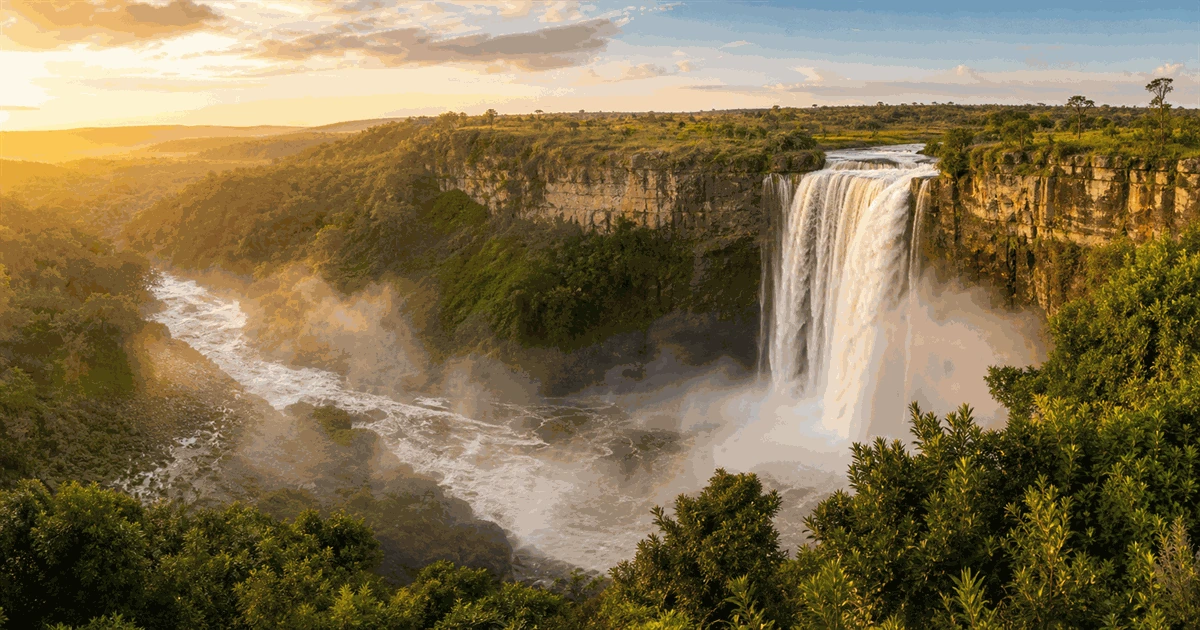
- Kalandula Falls: One of Africa's largest waterfalls by volume, on the Lucala River in Malanje.
- Fortress of Sao Miguel: The 1576 Portuguese fort above Luanda, now the armed forces museum.
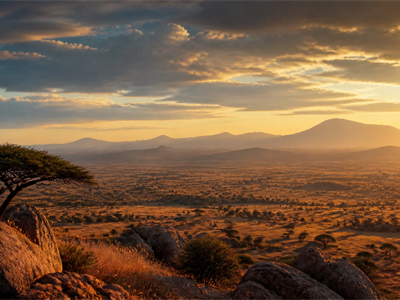
- Tundavala Gap: An escarpment viewpoint near Lubango where the plateau drops sharply to the plain.
Find a city in Angola
Showing all cities
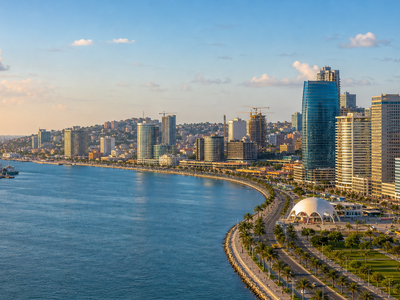 Luanda
Planning questions
What is Angola known for?Kalandula Falls, Fortress of Sao Miguel, Tundavala Gap.
What is the capital?Luanda.
Which language is useful?Portuguese.
When is the national day?11 November.
How should I browse it here?Start with the facts, jump to linked cities, then check events and topics.
Upcoming events
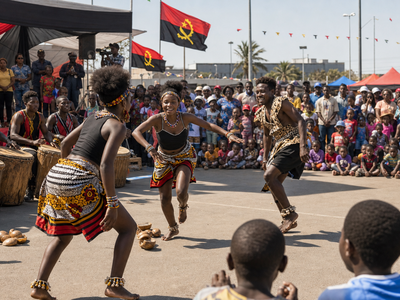 Angola National Day11 November 2026 — Across Angola — Angola
Use Luanda as the first planning anchor for Angola, then compare the city, food and worth-seeing notes on this page.
Food & drink
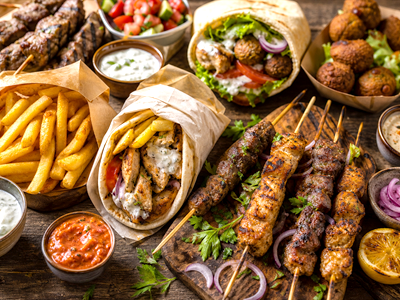 Street food
 Coffee
Known for
Kalandula FallsFortress of Sao MiguelTundavala GapLuandaStreet foodCoffee
 Music & Culture