Climate - extremes, warnings, adaptation
Climate Weather
Climate weather is about the signals behind daily forecasts: heat, storms, drought, rainfall and the warning systems people use as climate risk grows.
Climate signalExtremes
A warmer atmosphere can intensify heat, heavy rain and coastal storm impacts.
Early warningPreparedness
Forecasts and alerts turn climate risk into decisions people can act on.
Season lensPatterns
Hurricane, monsoon, fire and heat seasons shape regional planning.
Human impactExposure
The same weather event becomes more dangerous where people and infrastructure are vulnerable.
How Climate Weather became global
International weather cooperationNational services begin coordinating observations across borders.
WMO establishedThe World Meteorological Organization creates a global framework for weather, climate and water data.
IPCC createdClimate science assessment becomes a repeated international process.
Paris AgreementAdaptation and climate risk become central policy language.
Early warning pushForecasting, alerts and resilience planning become climate priorities.
What defines climate weather
Extremes
ExtremesHeat, storms, drought and floods show how hazards are changing.Warnings
WarningsForecasts, outlooks and alerts help communities prepare.Seasonality
SeasonalityRisk changes by region: tropics, coasts, mountains and cities all differ.Adaptation
AdaptationPlanning connects weather data with health, transport, energy and water.Climate-weather pages focus on weather as a climate risk and adaptation topic, not daily forecasts.
 World Meteorological Day 2026
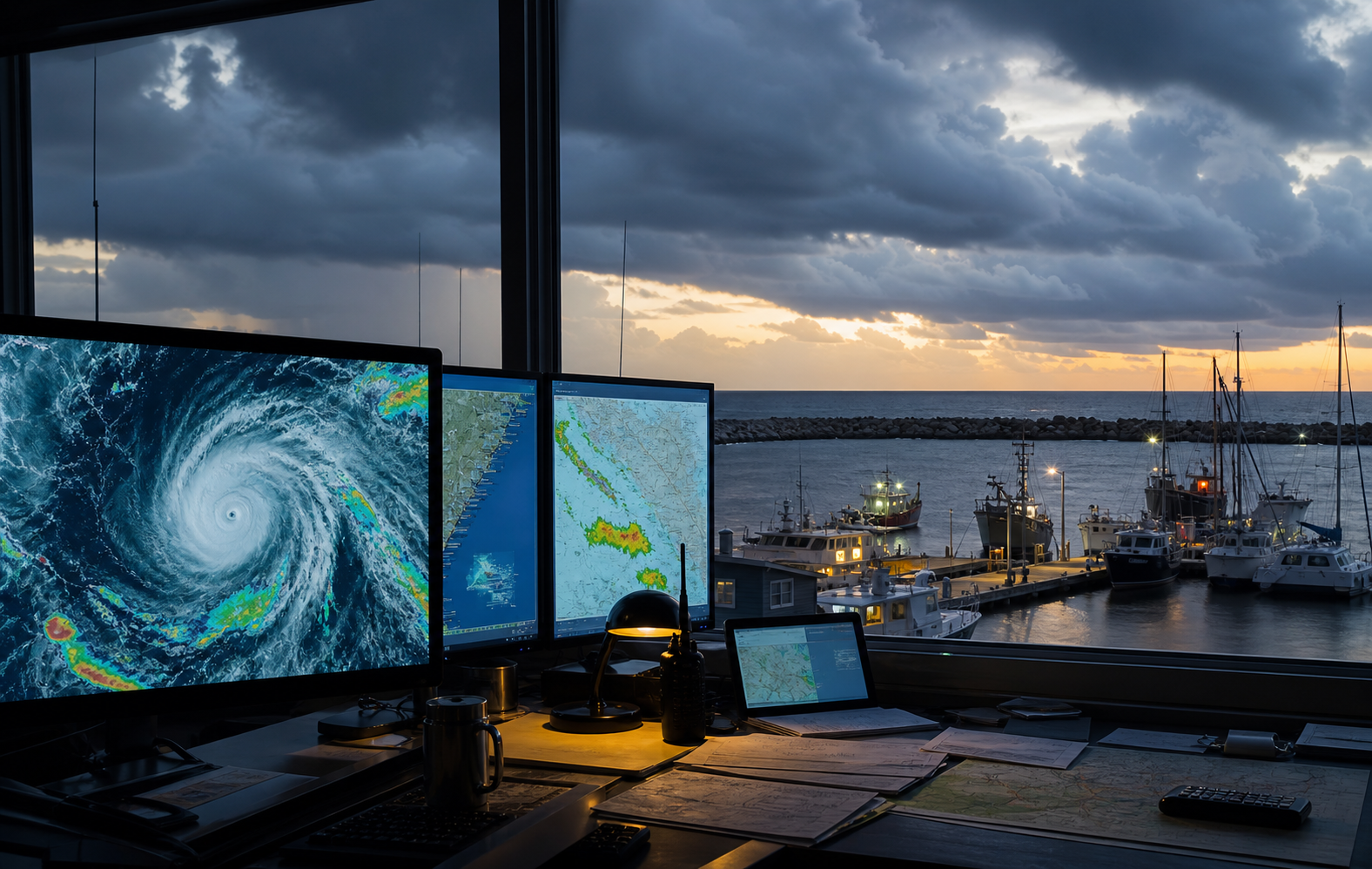 Atlantic Hurricane Season 2026