Forecast
Caracas
Local time--:--
America/CaracasWeather Forecast
Caracas, VenezuelaOpen-Meteo forecast.
Caracas city overview
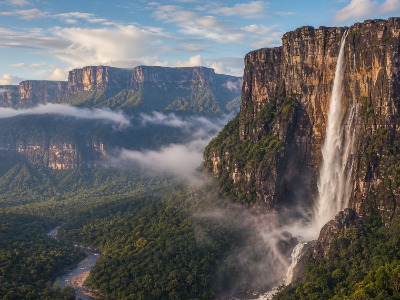
Caracas is Venezuela's mountain-framed capital, set below Avila National Park with grand civic spaces, museums and sharp contrasts between neighborhoods. Use Chacao or Altamira as a practical base, visit Plaza Bolivar and the Museo de Bellas Artes by day, then plan Waraira Repano or Galipan with local advice. Maiquetia airport is on the coast, so transfers require care and timing.
Worth seeing
Avila National Park
Avila National Park, also called Waraira Repano, rises above Caracas and gives the city its defining mountain backdrop.
View on map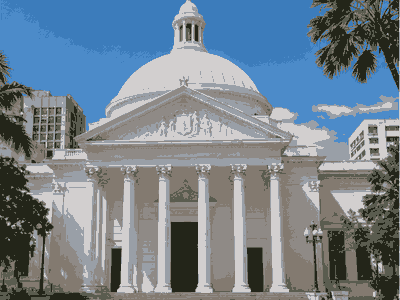
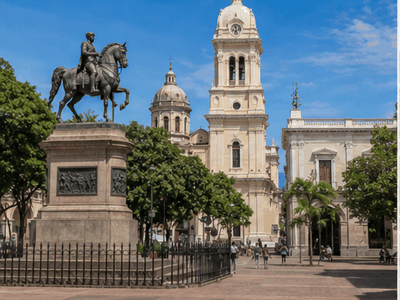
Plaza Bolivar
Plaza Bolivar is a named Caracas landmark that helps structure a real visit, adding orientation, local context and a clear route anchor.
View on map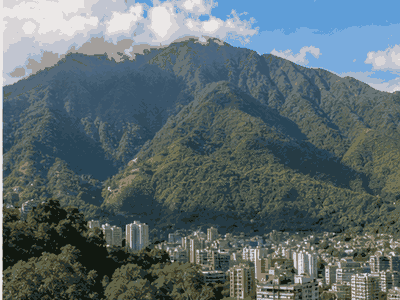
Panteon Nacional
Panteon Nacional is a named Caracas landmark that helps structure a real visit, adding orientation, local context and a clear route anchor.
View on map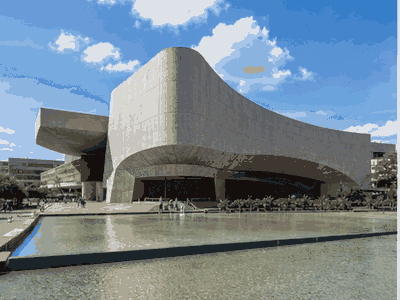
Teresa Carreno Theater
Teresa Carreno Theater is a named Caracas landmark that helps structure a real visit, adding orientation, local context and a clear route anchor.
View on map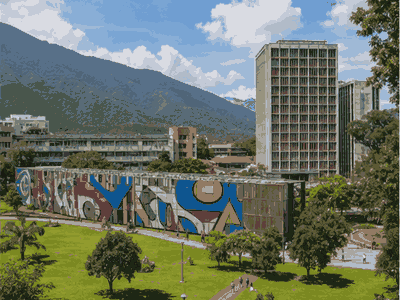
Museo de Bellas Artes
Museo de Bellas Artes is a key art museum in the cultural district, strongest as part of a daytime route.
View on map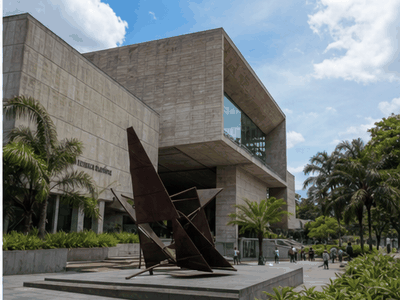
Paseo de Los Proceres
Paseo de Los Proceres is a named Caracas landmark that helps structure a real visit, adding orientation, local context and a clear route anchor.
View on mapStay overview
Chacao and Altamira are the strongest Caracas bases for most visitors, with restaurants, hotels and better logistics. Las Mercedes suits dining and business, La Castellana is quieter and upscale, while Sabana Grande is central but needs more caution.
Hotels & areas
Caracas hotel choice should prioritize safety, transfers and purpose: Chacao and Altamira are the easiest defaults, Las Mercedes is restaurant-focused, La Castellana suits business, and Sabana Grande is mostly for daytime transit convenience.
Chacao
Chacao is one of the most practical visitor bases, with restaurants, hotels, offices and better evening logistics than central areas.
Best for: first visits, dining, businessSee hotel optionsAltamira
Altamira is an upscale eastern district with hotels, plazas, restaurants and access toward Avila routes.
Best for: upscale stays, restaurants, mountain accessSee hotel optionsLas Mercedes
Las Mercedes is known for restaurants, nightlife and business hotels, best used with taxis or private transfers.
Best for: dining, nightlife, businessSee hotel optionsLa Castellana
La Castellana is a polished business and embassy district, useful for quieter high-end stays in eastern Caracas.
Best for: business, embassies, quiet staysSee hotel optionsSabana Grande
Sabana Grande is central and transit-linked, but visitors should use extra caution and prefer daytime movement.
Best for: transit, budget, daytime accessSee hotel optionsFlights & airports
Maiquetía Simón Bolívar International Airport (CCS) arrival plan
- Maiquetía Simón Bolívar International Airport (CCS)About 18 km from the centre
Compare airport access against hotel location, arrival time, rental car pickup, late flights and onward driving before choosing the first night base.
Rental cars
Caracas day-trip car use
Do not self-drive in Caracas unless hosted locally; arranged transfers, taxis and trusted drivers are safer and easier.
Compare rental carsTravel tips
Safety first
Use current local advice, arranged transfers and trusted taxis; avoid displaying phones, jewelry or cameras in public.
Best base
Choose Chacao or Altamira for a first stay because hotels, restaurants and transport logistics are more manageable.
Airport transfers
Pre-arrange Maiquetia transfers through a hotel or trusted operator, especially for late arrivals or early departures.
Mountain plans
Visit Avila or Galipan with clear weather, local guidance and enough daylight for the return journey.
Nearby ideas
Mountain
Galipan
Galipan is a mountain village above Caracas, usually reached with local drivers and clear-weather planning.
View on mapTown
El Hatillo
El Hatillo offers colonial-style streets, restaurants and crafts on the southeastern edge of Caracas.
View on mapMountain
Colonia Tovar
Colonia Tovar is a German-influenced mountain town, better as a planned full-day trip with a trusted driver.
View on mapCity history
Francisco Fajardo, the son of a Spanish captain and a Guaiqueri cacica, who came from Margarita, began establishing settlements in the area of La Guaira and the Caracas valley between 1555 and 1560.
Fajardo's 1560 settlement was known as Hato de San Francisco, and another attempt in 1561 by Juan Rodríguez de Suárez was called Villa de San Francisco, and was also destroyed by the same native.
Fajardo attempted to establish a plantation in the valley in 1562 after these coastal towns proved unsuccessful, but it did not last long, being destroyed by natives of the region led by Terepaima and.
Before the city was founded in 1567, the valley of Caracas was populated by indigenous peoples.
In 1577, Caracas became the capital of the Spanish Empire's Venezuela Province, under the province's new governor Juan de Pimentel, leader from 1576–1583.
With the coastal mountains of the Central Range acting as a barrier, Caracas was relatively immune to such attacks, compared to other Caribbean coastal settlements, but in 1595 the Preston–Somers expedition landed and around.
This and the destructive 1641 earthquake put the city into decline, and they likely began illegally trading with the Dutch Empire, which Caraqueños later proved sympathetic to; by the 1670s, Caracas had a trading.
In 1728, the Guipuzcoan Company of Caracas was founded by the king, and the cacao business grew in importance.
Luis de Unzaga created the Captaincy General of Venezuela in the summer of 1777, with Caracas as the capital.
Caracas then came under worse luck: in 1812, an earthquake destroyed Caracas, a quarter of its population migrated in 1814, and the Venezuelan War of Independence continued until 24 June 1821, when Simón Bolívar.
Cultural landmarks, like the University City of Caracas, designed by modernist architect Carlos Raúl Villanueva and declared a World Heritage Site by UNESCO in 2000; the Caracas Museum of Contemporary Art; and the Teresa.
Urban reforms only took place towards the end of the 19th century, under Antonio Guzmán Blanco: some landmarks were built, but the city remained distinctly colonial until the 1930s.
Out of the newly established settlements, Caracas was the closest to the coast.
The city became important in the Viceroyalty of New Spain, and also moved from using largely native slave labor to African slaves, the first of the Spanish colonies to become part of the slave.