Forecast
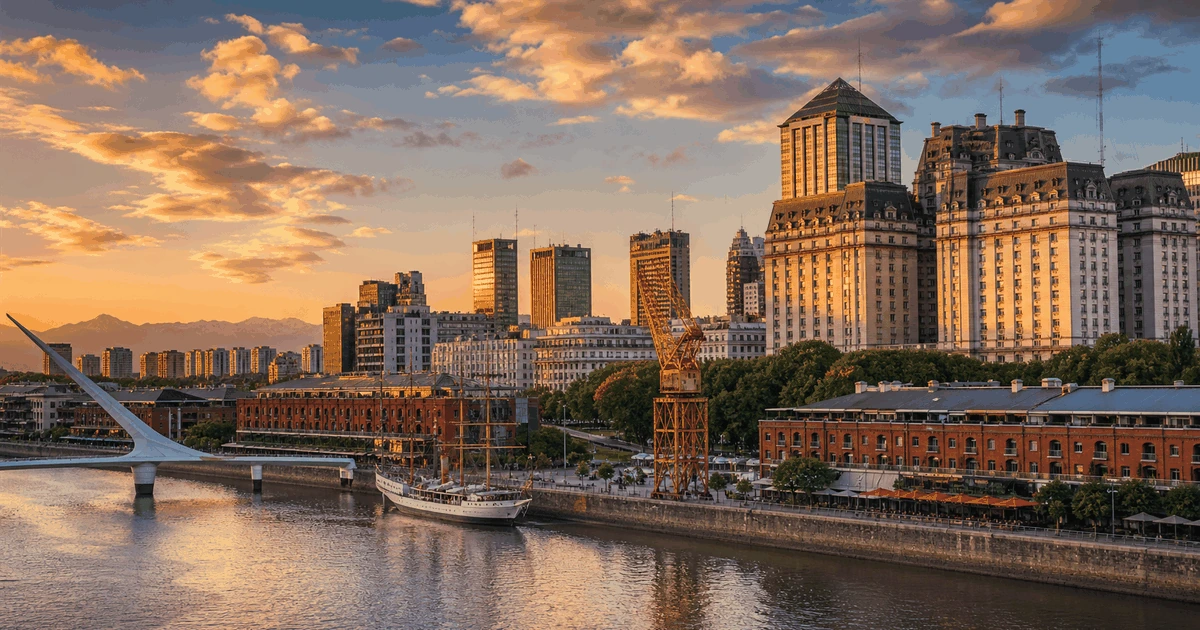
Buenos Aires
Local time--:--
America/Argentina/Buenos_AiresWeather Forecast
Buenos Aires, ArgentinaOpen-Meteo forecast.
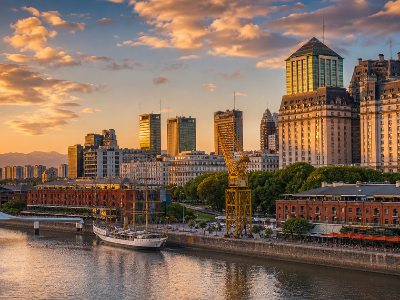
Buenos Aires city overview
Buenos Aires mixes grand European-style avenues with late-night neighbourhood life, tango halls and serious food culture. Start at Plaza de Mayo for national history, book Teatro Colon if opera or architecture matters, then spend an afternoon between Recoleta Cemetery and Palermo's parks and restaurants. Ezeiza handles most long-haul arrivals, while Aeroparque is often easier for domestic hops.
Worth seeing
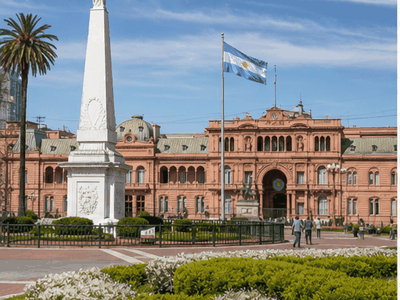
Plaza de Mayo
Plaza de Mayo is the city's political heart, framed by the Casa Rosada, cathedral and historic buildings tied to Argentina's national story.
View on map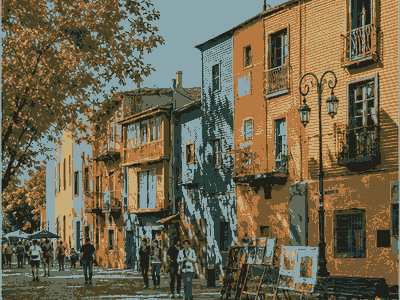
Teatro Colon
Teatro Colon is one of the world's great opera houses, worth booking for a performance or guided visit to see the auditorium.
View on map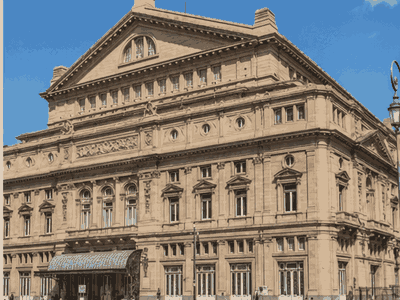
Recoleta Cemetery
Recoleta Cemetery is a maze of mausoleums and sculpture, best paired with the surrounding museums, cafes and leafy avenues.
View on map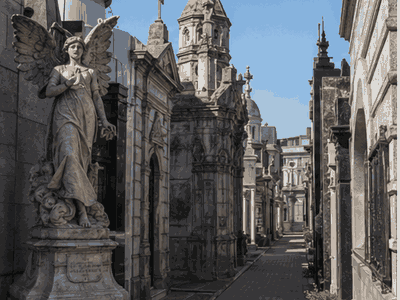
San Telmo Market
San Telmo Market anchors the old neighbourhood's food stalls, antiques and Sunday street life, with tango venues nearby.
View on map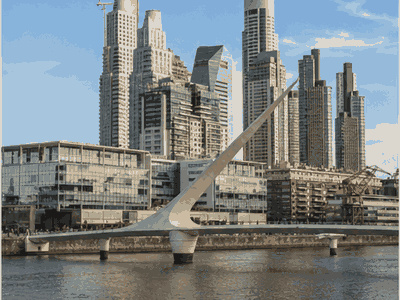
La Boca
La Boca is known for Caminito's painted houses and football culture; visit in daylight and use taxis for easier access.
View on map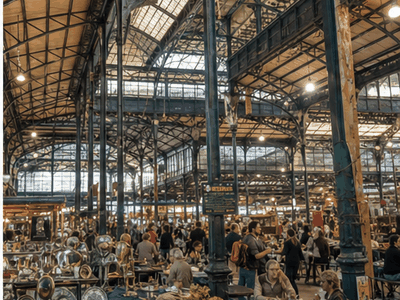
Palermo Parks
Palermo Parks give Buenos Aires its green escape, with gardens, lakes and museum stops close to the city's main nightlife districts.
View on mapStay overview
Start in Palermo for the broadest first-trip comfort, then compare Recoleta for classic hotels, San Telmo for tango and historic streets, Microcentro for business and Subte access, or Puerto Madero for modern waterfront stays and easier late-night walks.
Hotels & areas
Buenos Aires hotel choice is mostly about evenings and transfers: Palermo has the deepest restaurant scene, Recoleta feels polished and calm, San Telmo is atmospheric, Microcentro is central for offices and theatres, and Puerto Madero is modern but less neighbourhood-like.
Palermo
Palermo is the easiest first base for restaurants, bars, parks, boutique hotels and late evenings around Soho and Hollywood.
Best for: first visits, nightlife, restaurantsSee hotel optionsRecoleta
Recoleta suits quieter upscale stays near museums, embassies, leafy avenues and the famous cemetery, with good taxi access across the city.
Best for: classic hotels, museums, quiet nightsSee hotel optionsSan Telmo
San Telmo works for historic streets, tango venues, antique markets and a more atmospheric base south of the central business district.
Best for: tango, history, weekend marketsSee hotel optionsMicrocentro
Microcentro is practical for business, Plaza de Mayo, theatres and Subte links, though evenings are quieter than Palermo or San Telmo.
Best for: business trips, transit, central sightsSee hotel optionsPuerto Madero
Puerto Madero offers modern waterfront hotels, restaurants and safer late-night walks, but feels less local than older neighbourhoods.
Best for: waterfront hotels, business, late arrivalsSee hotel optionsFlights & airports
Aeroparque Jorge Newbery (AEP) arrival plan
- Aeroparque Jorge Newbery (AEP)About 7 km from the centre
Compare airport access against hotel location, arrival time, rental car pickup, late flights and onward driving before choosing the first night base.
- Ezeiza International Airport - Ministro Pistarini (EZE)About 27 km from the centre
Compare airport access against hotel location, arrival time, rental car pickup, late flights and onward driving before choosing the first night base.
Rental cars
Buenos Aires day-trip car use
Skip a rental car inside Buenos Aires; taxis, ride-hailing and the Subte are easier, while parking and traffic add friction.
Compare rental carsTravel tips
Best base
Choose Palermo for a first stay if restaurants, bars, parks and safer late-evening movement matter more than being beside historic sights.
Airport transfers
Use pre-booked transfers or official taxis from Ezeiza after long-haul arrivals, and leave extra time for cross-city traffic.
Cash and cards
Cards work widely in hotels and restaurants, but carry some pesos for taxis, small cafes, markets and everyday tips.
Weekend timing
Plan San Telmo on Sunday for the street market, then keep Monday flexible because some museums and venues close.
Nearby ideas
Nature · about 1 h · Mitre line train from Retiro to Tigre
Tigre and the Paraná Delta
A delta of wooden stilt houses reached only by launch, with a fruit market at the landing.
View on mapTown · about 1 h 15 min · coach from Retiro bus terminal
San Antonio de Areco
The gaucho town, with silverwork workshops and an estancia museum by the river.
View on mapHeritage · about 1 h 15 min · Buquebus fast ferry from Puerto Madero
Colonia del Sacramento
A Portuguese smuggling port in Uruguay, with cobbled streets and a lighthouse over the river.
View on mapCity history
Aragonese archives record that Catalan missionaries and Jesuits arriving in Cagliari (Sardinia) under the Crown of Aragon, after its capture from the Pisans in 1324, established their headquarters on top of a hill that.
In 1335, King Alfonso the Gentle donated the church to the Mercedarians, who built an abbey that stands to this day.
Mendoza's settlement soon came under attack by indigenous people and was abandoned in 1541.
A second (and permanent) settlement was established in 1580 by Juan de Garay, who sailed down the Paraná River from Asunción, now the capital of Paraguay.
A leading destination for immigrants from Europe, particularly Italy and Spain, from 1880 to 1930, Buenos Aires became a multicultural city that ranked itself alongside the major European capitals.
The short form that eventually became the city's name, "Buenos Aires", became commonly used during the 17th century.
In the 1970s the city suffered from the fighting between left-wing revolutionary movements (Montoneros, ERP and F.A.R.) and the right-wing paramilitary group Triple A, supported by Isabel Perón, who became president of Argentina in.
The settlement founded by Mendoza was located in what is today the San Telmo district of Buenos Aires, south of the city center.
He dubbed the settlement "Santísima Trinidad" and its port became "Puerto de Santa María de los Buenos Aires." From its earliest days, Buenos Aires depended primarily on trade.
However, Charles's placating actions did not have the desired effect, and the porteños, some of them versed in the ideology of the French Revolution, instead became even more convinced of the need for independence.
In the brief period of British rule, the viceroy Rafael Sobremonte managed to escape to Córdoba and designated this city as capital.
Buenos Aires became the capital again after its recapture by Argentine forces, but Sobremonte could not resume his duties as viceroy.
During this time, the Colón Theater became one of the world's top opera venues, and the city became the regional capital of radio, television, cinema, and theater.
Industrial workers of the Greater Buenos Aires industrial belt have been Peronism's main support base ever since, and Plaza de Mayo became the site for demonstrations and many of the country's political events; on.