Forecast
Port Vila
Local time--:--
Pacific/EfateWeather Forecast
Port Vila, VanuatuOpen-Meteo forecast.
Port Vila city overview
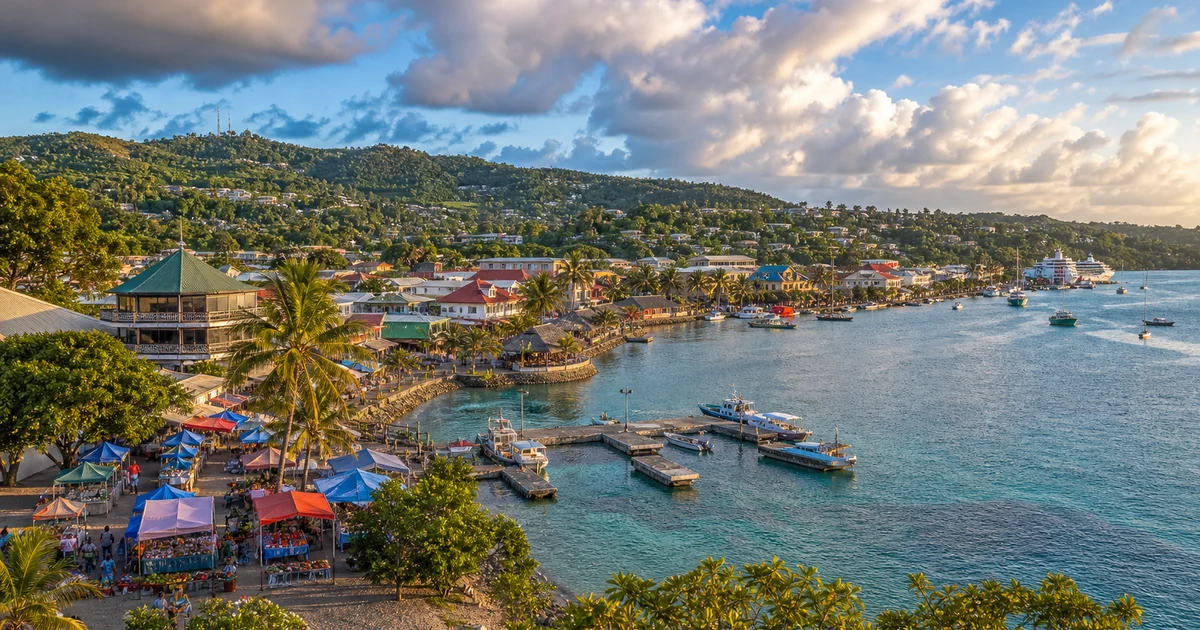
Port Vila works best as a base in Vanuatu when you anchor days around Port Vila Market, Mele Cascades and Iririki Island. Use those sights to understand the city's history, street life and visitor rhythm. Bauerfield International Airport handles the main arrival flow, so hotel choice should balance the centre, transfer time and day-trip plans.
Worth seeing
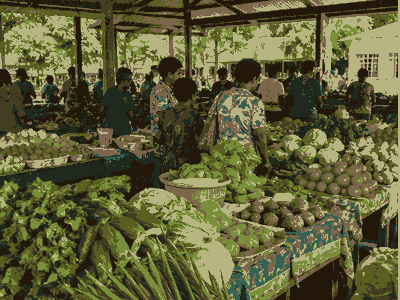
Port Vila Market
Port Vila Market gives Port Vila a concrete street-life stop, with food, everyday shopping and local movement that helps visitors read the city.
View on map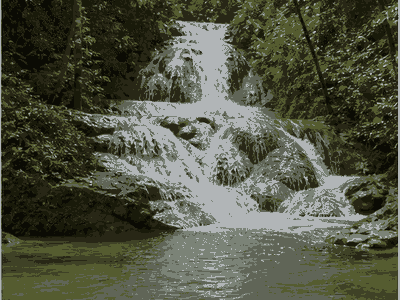
Mele Cascades
Mele Cascades is a named stop in Port Vila worth keeping on the route when it fits the day's transport, timing and neighborhood plan.
View on map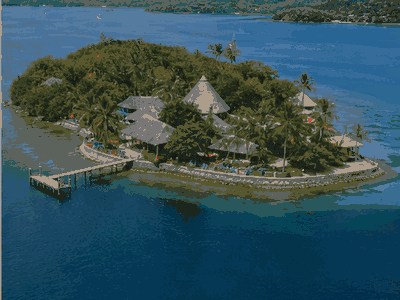
Iririki Island
Iririki Island adds the water-facing side of Port Vila, making it a good break from museums, traffic and dense historic streets.
View on map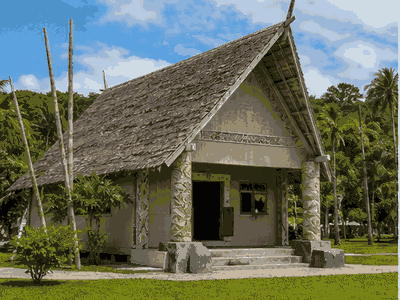
National Museum of Vanuatu
National Museum of Vanuatu is a key Port Vila culture stop, useful for understanding local history, collections and rainy-day planning near the main sightseeing route.
View on map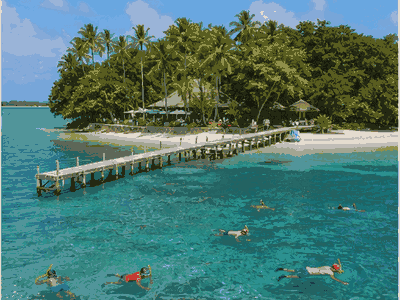
Hideaway Island
Hideaway Island adds the water-facing side of Port Vila, making it a good break from museums, traffic and dense historic streets.
View on map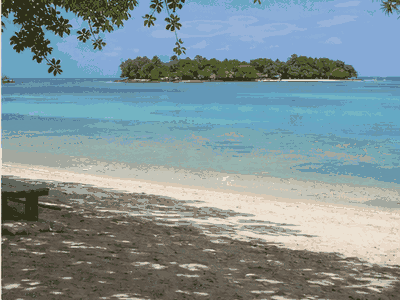
Erakor Island
Erakor Island adds the water-facing side of Port Vila, making it a good break from museums, traffic and dense historic streets.
View on mapStay overview
Start with City centre for the easiest first Port Vila stay, then compare Old Town and Waterfront when price, nightlife, quieter evenings or transfer timing matter more than being beside every major sight.
Hotels & areas
Port Vila hotel choice is mostly about repeat journeys: use City centre for sightseeing, Old Town for a different local base, and Waterfront or Airport area when views, parking, airport timing or longer stays matter.
City centre
City centre is the most practical first base in Port Vila, keeping main sights, restaurants and short local transfers close.
Best for: first visits, sightseeing, restaurantsSee hotel optionsOld Town
Old Town is the most practical first base in Port Vila, keeping main sights, restaurants and short local transfers close.
Best for: first visits, sightseeing, restaurantsSee hotel optionsWaterfront
Waterfront suits travellers who want views, evening walks and a calmer base while still keeping central Port Vila reachable.
Best for: views, quieter evenings, walksSee hotel optionsAirport area
Airport area works mainly for early departures, late arrivals or car pickup, not for a first Port Vila sightseeing base.
Best for: early flights, late arrivals, car pickupSee hotel optionsFlights & airports
Bauerfield International Airport (VLI) arrival plan
- Bauerfield International Airport (VLI)About 4 km from the centre
Compare airport access against hotel location, arrival time, rental car pickup, late flights and onward driving before choosing the first night base.
Rental cars
Port Vila day-trip car use
Do not rent a car for central Port Vila unless parking and traffic are part of the plan; use one mainly for regional day trips.
Compare rental carsTravel tips
Best base
Choose City centre for a first stay because it keeps main sights, restaurants and practical local movement close.
Airport timing
Leave extra time for Bauerfield International Airport, especially for early flights, late arrivals, traffic or unfamiliar transfer routes.
Local movement
Plan each day in clusters around Port Vila Market and Mele Cascades so transfers do not consume the best sightseeing hours.
Day trips
Keep one flexible slot for nearby routes from Port Vila, checking weather, transport and opening hours before committing.
Upcoming events
City history
The United Nations Office for the Coordination of Humanitarian Affairs estimated that 116,000 people had been directly affected by the earthquake, equivalent to a third of Vanuatu's population.
Efate Island was charted in 1774 by James Cook, who named it Sandwich Island.
After 1887, the territory was jointly administered by the French and the British.
Instead, it was converted into the municipality of Franceville, which declared independence on 9 August 1889, though this only lasted until June of the following year.
A powerful earthquake on 3 January 2002 caused minor damage in the capital and surrounding areas.
In the autumn of 2004, an archaeological expedition known as Teouma discovered a burial site of 25 tombs containing three dozen skeletons of members of the Lapita culture.
The city suffered massive damage from a category 5 cyclone named Cyclone Pam on 13 March 2015, whose eye wall passed just to the east of Port Vila.
On 17 December 2024, a magnitude 7.3 earthquake reportedly damaged almost every single house in Port Vila, resulting in 16 fatalities.
Melanesian people have occupied the Port Vila area for thousands of years.
In the late 19th century, when the islands were known as the New Hebrides, the British initially had the dominant European presence.
However, by the 1890s, the economic balance had begun favouring the French, who established large plantations.
Cook's expedition did not land but noted the presence of good harbours and land suitable for European settlement.
French citizen Ferdinand Chevillard began buying and clearing land around Port Vila to be converted into the largest French plantation on the island.
During World War II, Port Vila was an American and Australian airbase.