Forecast
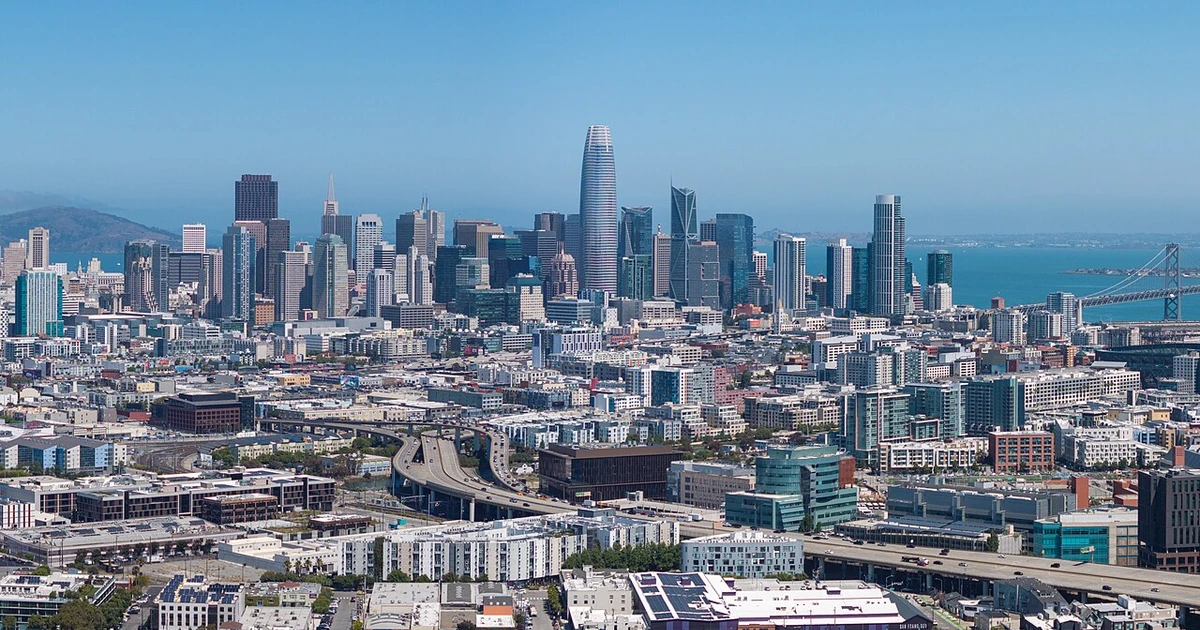
San Francisco
Local time--:--
America/Los_AngelesWeather Forecast
San Francisco, USAOpen-Meteo forecast.
San Francisco city overview
tba
Worth seeing
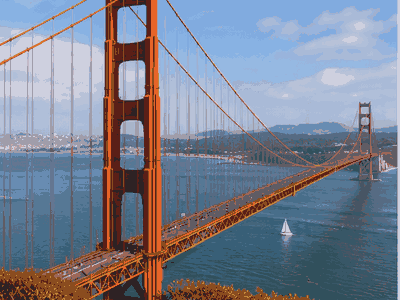
Golden Gate Bridge
Golden Gate Bridge is a clear heritage marker in San Francisco, best used as a fixed point when grouping nearby streets, monuments and viewpoints.
View on map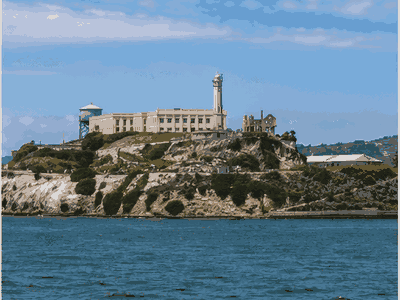
Alcatraz Island
Alcatraz Island adds the water-facing side of San Francisco, making it a good break from museums, traffic and dense historic streets.
View on map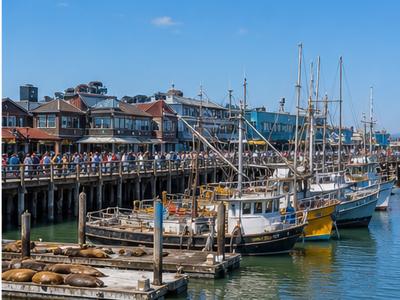
Fisherman's Wharf
Fisherman's Wharf is a named stop in San Francisco worth keeping on the route when it fits the day's transport, timing and neighborhood plan.
View on map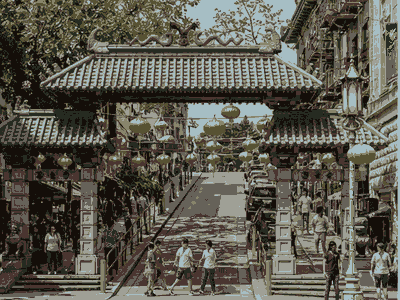
Golden Gate Park
Golden Gate Park adds outdoor time to a San Francisco stay, with open space, views or waterfront breathing room between denser city sights.
View on map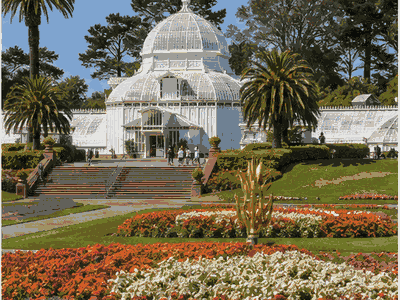
Chinatown San Francisco
Chinatown San Francisco is a named stop in San Francisco worth keeping on the route when it fits the day's transport, timing and neighborhood plan.
View on map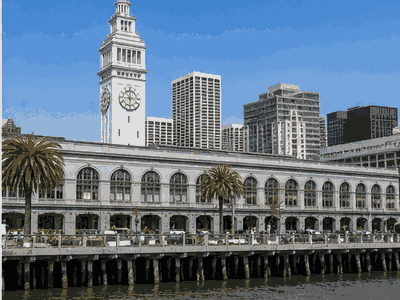
Ferry Building
Ferry Building is a named stop in San Francisco worth keeping on the route when it fits the day's transport, timing and neighborhood plan.
View on mapStay overview
Start with City centre for the easiest first San Francisco stay, then compare Old Town and Waterfront when price, nightlife, quieter evenings or transfer timing matter more than being beside every major sight.
Hotels & areas
San Francisco hotel choice is mostly about repeat journeys: use City centre for sightseeing, Old Town for a different local base, and Waterfront or Airport area when views, parking, airport timing or longer stays matter.
City centre
City centre is the most practical first base in San Francisco, keeping main sights, restaurants and short local transfers close.
Best for: first visits, sightseeing, restaurantsSee hotel optionsOld Town
Old Town is the most practical first base in San Francisco, keeping main sights, restaurants and short local transfers close.
Best for: first visits, sightseeing, restaurantsSee hotel optionsWaterfront
Waterfront suits travellers who want views, evening walks and a calmer base while still keeping central San Francisco reachable.
Best for: views, quieter evenings, walksSee hotel optionsAirport area
Airport area works mainly for early departures, late arrivals or car pickup, not for a first San Francisco sightseeing base.
Best for: early flights, late arrivals, car pickupSee hotel optionsFlights & airports
San Francisco International Airport (SFO) arrival plan
- San Francisco International Airport (SFO)About 18 km from the centre
Compare airport access against hotel location, arrival time, rental car pickup, late flights and onward driving before choosing the first night base.
- Oakland San Francisco Bay Airport (OAK)About 18 km from the centre
Compare airport access against hotel location, arrival time, rental car pickup, late flights and onward driving before choosing the first night base.
- Mineta San Jose International Airport (SJC)About 63 km from the centre
Compare airport access against hotel location, arrival time, rental car pickup, late flights and onward driving before choosing the first night base.
Public transport
- Muni Metro and BARTMuni Metro light rail runs six lines across the city; BART connects San Francisco with the outlying Bay Area
- TaxiCurb, Wingz — Taxis wait outside shopping malls, hotels and the airport
Rental cars
San Francisco day-trip car use
Do not rent a car for central San Francisco unless parking and traffic are part of the plan; use one mainly for regional day trips.
Compare rental carsTravel tips
Best base
Choose City centre for a first stay because it keeps main sights, restaurants and practical local movement close.
Airport timing
Leave extra time for San Francisco International, especially for early flights, late arrivals, traffic or unfamiliar transfer routes.
Local movement
Plan each day in clusters around San Francisco and San Francisco so transfers do not consume the best sightseeing hours.
Day trips
Keep one flexible slot for nearby routes from San Francisco, checking weather, transport and opening hours before committing.
Nearby ideas
Nature · about 40 min · car or the Muir Woods Shuttle over the Golden Gate Bridge
Muir Woods National Monument
Old-growth coast redwoods on flat boardwalk trails; parking and shuttle must be booked ahead.
View on mapTown · about 30 min · ferry from the Ferry Building
Sausalito
A houseboat harbour and hillside village with the best view back at the city skyline.
View on mapNature · about 1 h 15 min · car north on Highway 1
Point Reyes National Seashore
Elephant seals, a cliff-edge lighthouse and oyster farms on a peninsula cut off by the San Andreas fault.
View on mapTown · about 30 min · BART to Downtown Berkeley
Berkeley
The university campanile, Telegraph Avenue bookshops and the restaurant row that invented California cuisine.
View on mapUpcoming events
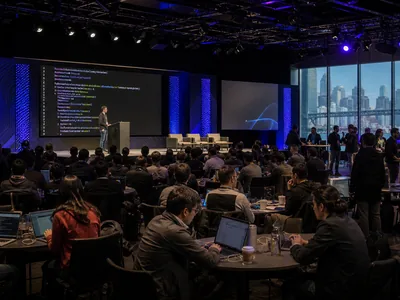
GitHub Universe
28 October 2026 – 29 October 2026 — San Francisco — United States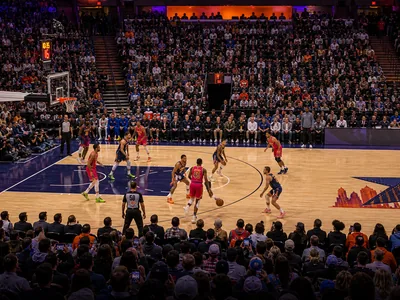
NBA All-Star Game
14 February 2027–16 February 2027 — San Francisco — United States
Microsoft Build
2 June 2027–3 June 2027 — San Francisco — United States
United States Independence Day
4 July 2027 — Across USA — United StatesCity history
Soon after, on March 28, 1776, Anza established the Presidio of San Francisco and on October 9, Mission San Francisco de Asís, also known as Mission Dolores, was founded by Padre Francisco Palóu.
In 1794, the Presidio established the Castillo de San Joaquín, a fortification on the southern side of the Golden Gate, which later came to be known as Fort Point.
In 1835, the Presidio garrison, commanded by Mariano Vallejo, relocated to the Presidio of Sonoma, which was regarded as needing a greater military presence due to the proximity of the Russian settlement at Fort.
The influential San Francisco Planning and Urban Research Association or SPUR was founded in 1910 to address the quality of housing after the earthquake.
The United Nations Charter creating the United Nations was drafted and signed in San Francisco in 1945 and, in 1951, the Treaty of San Francisco re-established peaceful relations between Japan and the Allied Powers.
Bank of America, now based in Charlotte, North Carolina, was founded in San Francisco; the bank completed 555 California Street in 1969.
Yerba Buena Cove (named after a native herb) was already a favored anchorage spot and the new settlement and trading post was founded by its shores.
Army built Fort Point at the Golden Gate and a fort on Alcatraz Island to secure the bay.
He founded the Bank of California, the first bank in the Western United States, and built the opulent Palace Hotel, a symbol of San Francisco's newfound prosperity and the largest hotel in the country.
The earthquake hastened development of western neighborhoods that survived the fire, including Pacific Heights, where many of the city's wealthy rebuilt their homes.
In turn, the destroyed mansions of Nob Hill became grand hotels.
During this period, San Francisco built some of its most important infrastructure.
Large numbers of entrepreneurs and computer application developers moved into the city, followed by marketing, design, and sales professionals, changing the social landscape as once poorer neighborhoods became increasingly gentrified.